
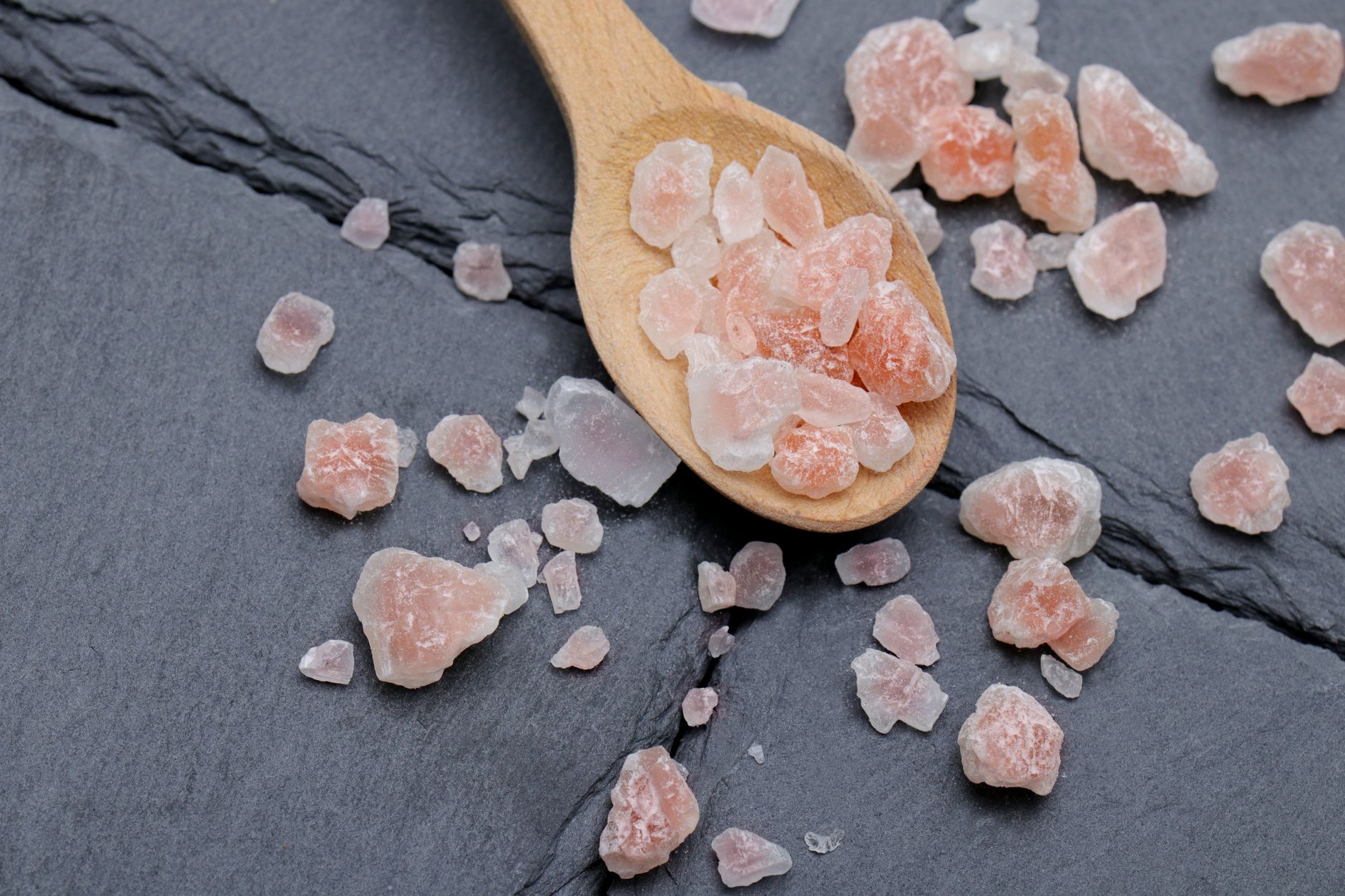
Pink salt, often recognized by its distinctive hue, has gained significant popularity in recent years. But what exactly is this salt, and what sets it apart from the ordinary table salt? In this article, we will explore the origins, composition, taste, culinary uses, and health aspects of pink salt, enabling you to appreciate and utilize this flavorful ingredient in your kitchen.
From enhancing the flavor of your dishes to its supposed health benefits, pink salt is more than just a beautiful addition to your spice rack. Let’s dive deeper into this intriguing culinary ingredient.
What Is Pink Salt?
Pink salt generally refers to Himalayan pink salt, a type of rock salt harvested from the Khewra Salt Mine in Pakistan. This particular salt is renowned for its pale pink color and rich mineral content, which is responsible for its unique flavor and potential health benefits. Comprised primarily of sodium chloride, pink salt contains a variety of trace minerals that contribute to its distinctive hue and taste.
Ingredients of Pink Salt
The primary ingredient in pink salt is sodium chloride, just like regular table salt. However, what sets pink salt apart is its trace minerals, which include:
- Calcium
- Magnesium
- Potassium
- Iron
- At least 80 other minerals
These minerals are responsible for the salt’s pink color and potentially offer a richer flavor profile compared to standard salt. While the amounts of these minerals are minute compared to the sodium content, they are often highlighted as reasons why people prefer pink salt.
Taste Profile of Pink Salt
The flavor of Himalayan pink salt is often described as milder and more complex than traditional table salt. Many people note a subtle sweetness that is not present in regular salt, which can enhance the overall flavor of dishes without overpowering them. This unique taste can elevate both savory and sweet dishes alike, making it a versatile ingredient to include in your cooking repertoire.
Culinary Uses of Pink Salt
Pink salt can be used in various culinary applications, showcasing its flavor and aesthetic appeal. Here are some of the most common ways to incorporate pink salt into your cooking:
1. Seasoning Dishes
One of the primary uses of pink salt is as a seasoning. It can be used on meats, vegetables, and even in baking. It works perfectly for:
- Grilled meats
- Roasted vegetables
- Salads
- Soups and stews
Simply replace regular salt with pink salt in your recipes, adjusting the amount according to taste.
2. Finishing Salt
Due to its coarse texture and striking color, pink salt makes an excellent finishing salt. Sprinkle it over dishes just before serving to add a burst of flavor and a touch of elegance. Some great dishes to finish with pink salt include:
- Steaks
- Fish
- Chocolates or desserts
3. Salt Blocks and Cooking Tools
Pink salt blocks are popular for grilling, searing, and serving food. These blocks can be heated or chilled to serve various foods:
- Grilled seafood
- Steaks
- Chilled fruits
Using a pink salt block can infuse the food with subtle saltiness while providing a beautiful presentation.
4. Infused Oils and Butters
Creating infused oils or butters with pink salt can add depth to various dishes. Simply mix softened butter or oil with ground pink salt, allowing it to meld for a few hours before use. This can enhance:
- Garlic bread
- Sauteed vegetables
- Grilled bread
5. Baking Applications
Himalayan pink salt can also be successfully incorporated into baking. Use it for making artisan bread, crackers, or pretzels for a delightful crunch and enhanced flavor. Here’s how to make a simple recipe using pink salt:
- Mix all dry ingredients, including flour, yeast, sugar, and a teaspoon of Himalayan pink salt.
- Add warm water and mix until a dough forms.
- Knead the dough for about 10 minutes, allow it to rise, then bake according to your recipe.
Storage and Shelf Life
Pink salt has a long shelf life and, like all salts, doesn’t spoil. However, it’s best stored in a cool, dry place in an airtight container. This helps preserve its flavor and prevents clumping due to humidity.
Practical Substitutions for Pink Salt
If you find yourself without pink salt, there are several substitutions to consider:
- Sea salt: Similar flavor, though sea salt might be a bit saltier, so adjust to taste.
- Table salt: Use less, as it is more refined and saltier; about ¾ the amount of pink salt.
- Rock salt: A good alternative but might need to be ground down depending on texture desired.
While these substitutes can work in most applications, they might not impart the same mineral flavor profile that pink salt provides.
Common Mistakes to Avoid with Pink Salt
Using pink salt can be straightforward, but there are a few common mistakes to avoid:
- Using too much: Because of its unique flavor, it’s easy to over-salt dishes. Start with a small amount and build up to taste.
- Not grinding: If your pink salt is coarse, grinding it before using can help it dissolve better in dishes.
- Ignoring moisture: Store pink salt in a cool, dry place—moisture can cause clumping and affect its texture.
Making these adjustments can help you maximize your use of pink salt in cooking without overpowering your dishes.
Health Aspects of Pink Salt
There are many claims surrounding the health benefits of Himalayan pink salt, from detoxification to improved hydration. While it does contain trace minerals, it’s important to maintain perspective. Salt, including pink salt, should still be consumed in moderation to avoid health issues associated with high sodium intake, like high blood pressure.
Ultimately, while pink salt may add trace minerals to your diet, it’s best used as a flavorful seasoning rather than a health supplement.
Conclusion
Pink salt is a versatile ingredient that can enhance the flavor of various dishes while adding a touch of visual appeal. From seasoning your favorite meals to using it as a decorative finishing touch, its unique taste and mineral content make it a worthwhile addition to any kitchen. Keep exploring and experiment with this fabulous ingredient to unlock its full potential.
To continue your culinary exploration, consider checking out how to substitute rosemary in your recipes or learn about the origins of molasses and its uses in cooking.