
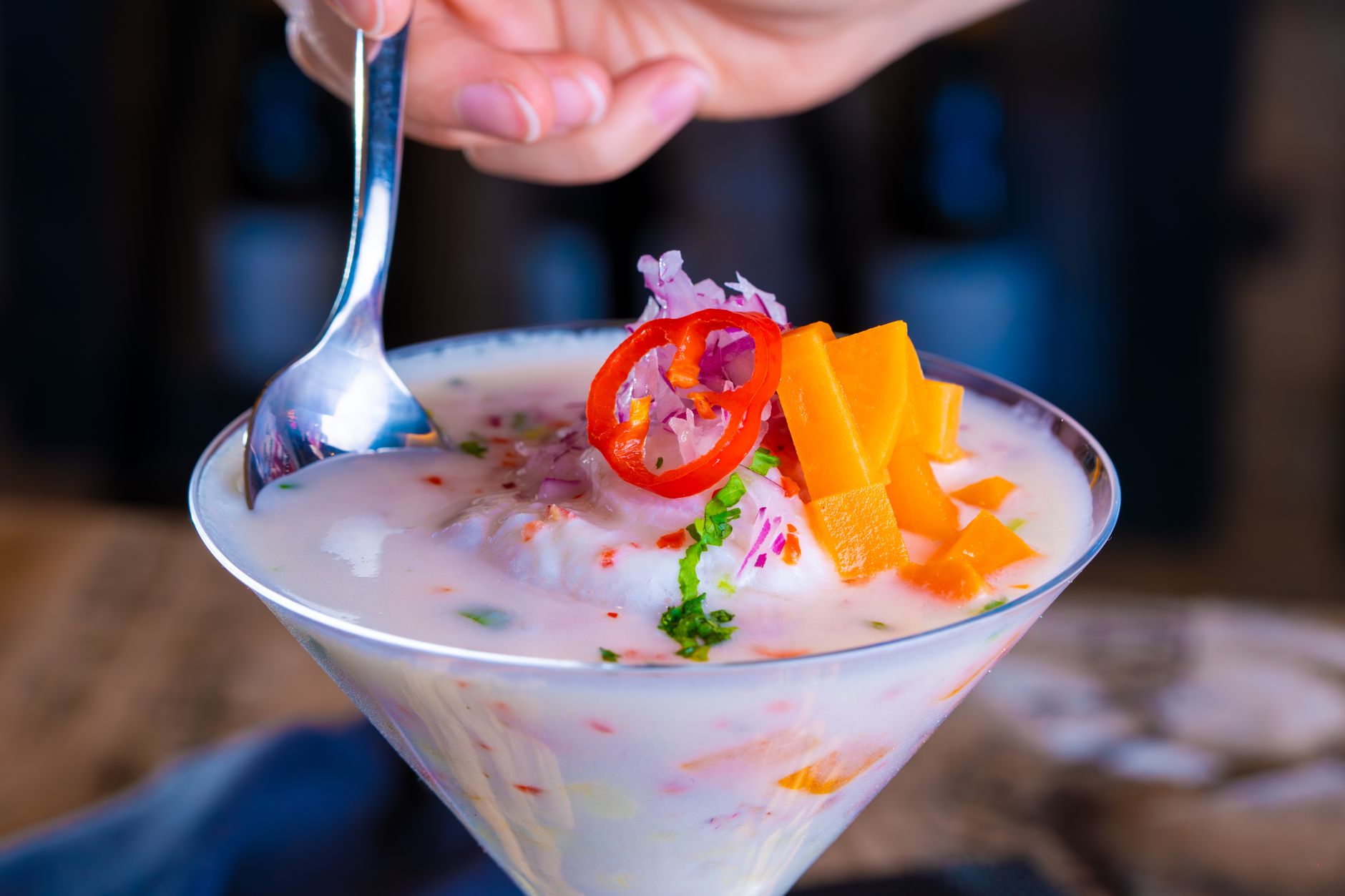
Ceviche is a popular dish made from raw fish marinated in citrus juices, often accompanied by ingredients like onions, tomatoes, and cilantro. Its bright flavors and refreshing nature make it a favorite among seafood lovers. However, knowing how long ceviche lasts in the fridge is crucial for food safety and ensuring the best taste.
This article delves into the shelf life of ceviche, proper storage techniques, and tips to enjoy this delicious dish safely and optimally. Whether you’re making it at home or buying it from a restaurant, understanding how to store the ceviche can help prevent food waste and ensure that it retains its flavor and texture.
How Long Does Ceviche Last in Fridge?
Ceviche typically lasts in the fridge for about 1 to 2 days when stored properly. The longevity depends on factors such as the type of seafood used, the acidity of the marinade, and overall storage conditions. For best flavor and safety, it’s recommended to consume it as soon as possible.
Understanding Ceviche
Before diving into storage, it’s important to understand what ceviche is. It consists mainly of seafood, often fish or shrimp, cured in acidic citrus juices, usually lime or lemon. The acidity denatures the proteins, giving the fish a cooked appearance and flavor without using heat.
The inclusion of ingredients such as onions, cilantro, chilis, and tomatoes adds complexity to the dish. Each ingredient can affect the overall freshness and shelf life of the dish, which plays a pivotal role in how long it can safely be enjoyed after preparation.
Factors Affecting Ceviche’s Shelf Life
Several factors contribute to how long ceviche will remain fresh and safe to eat:
- Type of Seafood: Different types of seafood have varying shelf lives. For example, fish like tilapia may last shorter than heartier varieties like salmon.
- Marinade Ingredients: The acidity from lime or lemon juice not only flavors the dish but also aids in preservation, but other components like herbs and vegetables can alter freshness.
- Storage Method: Proper refrigeration in an airtight container is vital for maintaining quality.
- Preparation Conditions: Ceviche should be made with fresh ingredients; any pre-used or leftover components will reduce shelf life.
How to Store Ceviche Properly
Storing ceviche correctly can extend its freshness. Here’s how to do it:
- Keep it Airtight: Store ceviche in an airtight container to minimize exposure to air, which can lead to oxidation and spoilage.
- Refrigerate Immediately: Once prepared, place the ceviche in the refrigerator right away to maintain a safe temperature.
- Store Separately from the Marinade: If possible, store the seafood separately from the marinade to help maintain texture and freshness.
- Avoid Mixing with Heavy Ingredients: Avoid adding heavy or bulky ingredients right before storage. Mix them in just prior to serving for better texture and flavor.
Signs That Ceviche Has Spoiled
It’s important to recognize the signs of spoiled ceviche to avoid foodborne illness. Here are some key indicators:
- Off Smell: Fresh ceviche has a bright, citrusy aroma. If it has a strong, fishy, or sour odor, it’s likely spoiled.
- Change in Color: If the fish turns dull or grainy, this may indicate it is no longer fresh.
- Mushy Texture: Fresh ceviche should have a firm texture. If it feels soft or mushy, it may have gone bad.
- Unpleasant Taste: If the ceviche tastes sour or otherwise off, discard it immediately.
How to Extend Ceviche’s Shelf Life
While ceviche is best enjoyed fresh, there are techniques to help it last longer.
- Freeze Ceviche: If you have extra ceviche that you cannot consume within a couple of days, consider freezing it. Transfer it to a freezer-safe bag or container, removing as much air as possible. Note that the texture may change upon thawing, so this is more about safety than quality.
- Use Fresh Ingredients: The fresher the ingredients, the longer they will last. Purchase the freshest seafood available and use it the same day.
- Add Acidic Ingredients: Increase the acidity of your marinade with additional citrus juice or vinegar. This can help further inhibit bacterial growth.
- Store Under Cool Conditions: If possible, keep your ceviche in a temperature-regulated part of the fridge, away from light and heat sources.
How to Serve Ceviche
When serving ceviche, presentation and accompaniments can make a difference:
- Chill Before Serving: Allow the ceviche to chill in the refrigerator for at least 30 minutes before serving to enhance flavors.
- Pair with Condiments: Serve with sides like tortilla chips, avocado slices, or a dollop of guacamole for additional flavor and texture.
- Garnish Thoughtfully: Fresh herbs like cilantro or sliced radishes can brighten the dish and add visual appeal.
- Utilize Fresh Veggies: Include a side salad or slaw to complement the ceviche. Fresh veggies enhance the overall dining experience.
Common Mistakes to Avoid with Ceviche
Making ceviche is a simple yet nuanced process. Avoid these common mistakes:
- Using Stale Ingredients: Do not use fish that is not fresh. Check for any signs of spoilage before making ceviche.
- Too Much Acid: While the marinade is essential, too much citrus juice can overpower the natural sweetness of the seafood.
- Neglecting Time: Allowing ceviche to marinate too long can lead to a less desirable texture, as the fish becomes overly “cooked” by the acid.
- Forgetting to Taste: Always taste before serving and adjust the seasoning if necessary.
Popular Types of Ceviche
Ceviche varies by region, with different styles becoming popular around the world. Here are a few popular types to explore:
- Peruvian Ceviche: Often considered the original, this ceviche uses lime juice, red onions, cilantro, and can feature a variety of seafood.
- Mexican Ceviche: Typically includes ingredients like avocado and tomatoes, making it richer and more varied in taste.
- Ecuadorian Ceviche: Known for adding tomato sauce or ketchup to the marinade, this version is sweeter and served with popcorn.
- Japanese Ceviche: Incorporates soy sauce and sometimes ponzu sauce, marrying flavors from both cultures.
Health and Safety Considerations
When preparing ceviche, be mindful of the following health tips:
- Source Quality Seafood: Purchase seafood from reputable sources to minimize the risk of contamination.
- Wash Hands and Surfaces: Always wash hands and kitchen surfaces thoroughly before preparing food to prevent cross-contamination.
- Keep Refrigerated: Ensure that ceviche is stored at a temperature below 40°F (4°C) to maintain safety.
- Consume Promptly: Try to eat ceviche within 1 to 2 days after preparation for optimal safety and taste.
Conclusion
Ceviche is a delightful dish that can excite your taste buds and bring a taste of the ocean to your table. Knowing how long it lasts in the fridge and how to store it safely ensures that you can enjoy it without compromise. Remember to always check for freshness and taste to make the most of this dish. When in doubt, consume it promptly to avoid food waste and enhance your ceviche experience.
For more guidance on food storage or recipes, check out our articles on how long cooked chicken lasts and how long beans last in the fridge.