
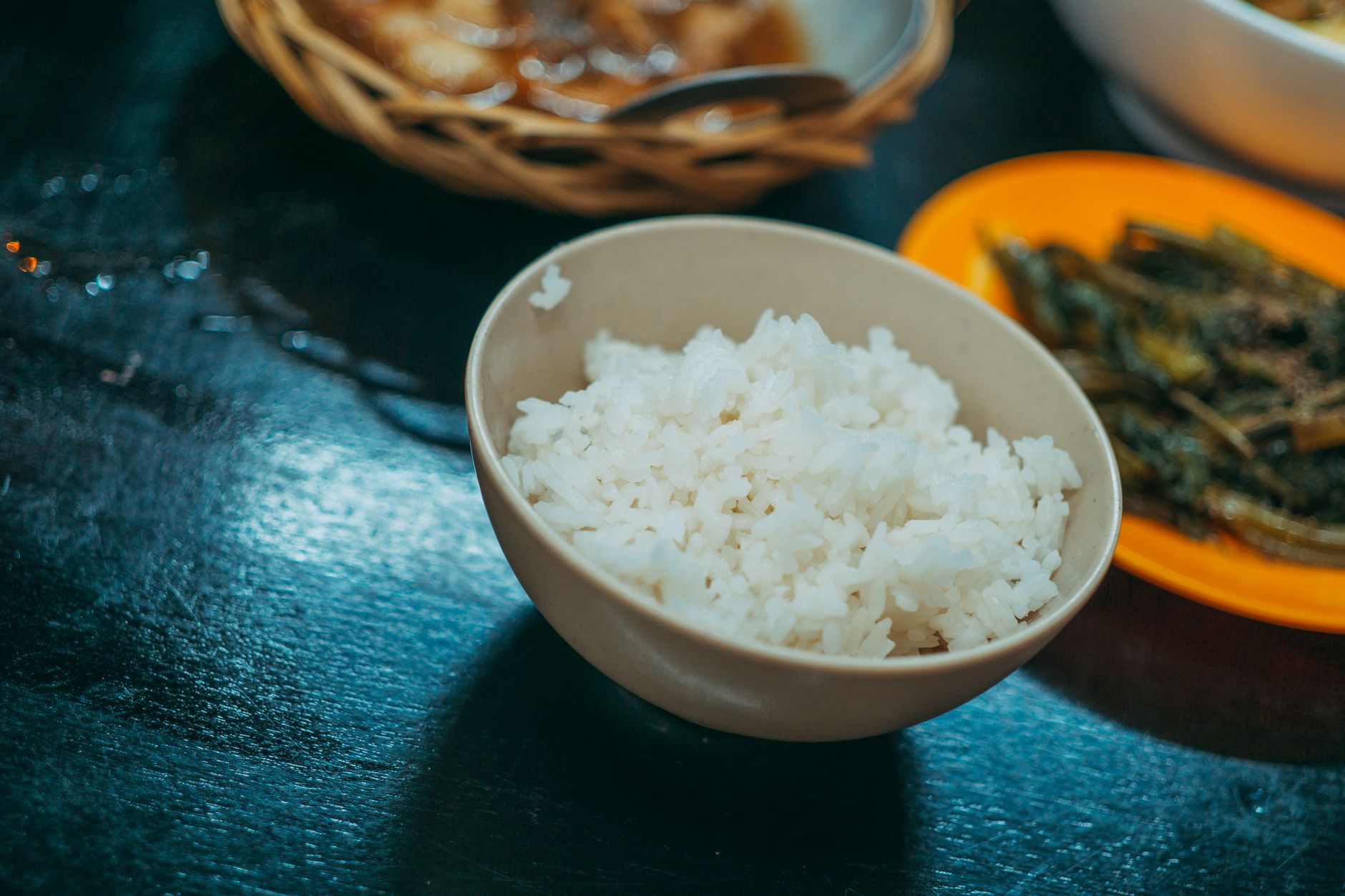
Rice is a staple food in many cultures, prized for its versatility and ability to complement a variety of dishes. However, some people experience bloating after consuming rice, leading to the question: can rice really make you bloated? Understanding the relationship between rice, fiber content, portion sizes, and individual digestion can shed light on this common issue.
This article will explore how rice impacts digestion, the role of fiber, appropriate portion sizes, and practical tips for minimizing discomfort while enjoying this beloved grain.
Can Rice Make You Bloated?
Yes, rice can make you bloated for some individuals, particularly if consumed in large portions or if your body has trouble digesting carbohydrates. Different types of rice contain varying amounts of fiber and carbohydrates, which can affect digestion and bloating.
The Science of Bloatedness and Rice
Bloating is often caused by excessive gas production or fluid retention in the digestive tract. When you consume foods that your body struggles to digest properly, including certain types of carbohydrates, the result can be discomfort and bloating. Here’s how rice fits into the equation.
Carbohydrates in Rice
Rice is primarily composed of carbohydrates. Different varieties, such as white rice and brown rice, come with contrasting carbohydrate compositions. Brown rice is a whole grain that retains its bran and germ, making it higher in fiber compared to white rice, which has been milled to remove these components.
Fiber Content and Digestive Impact
Fiber plays a significant role in digestion. It is essential for maintaining gut health, but its effects can vary depending on the type and amount. While soluble fiber can help regulate digestion, insoluble fiber can sometimes lead to gas and bloating if the digestive system isn’t accustomed to it.
Types of Rice and Their Effects on Digestion
To understand the bloating potential of rice, it’s crucial to explore the various types of rice commonly consumed.
White Rice
White rice is the most commonly consumed type of rice globally. It is low in fiber since the bran and germ have been removed. For many people, white rice is easier to digest and less likely to cause bloating compared to high-fiber alternatives. However, overconsumption can still lead to discomfort.
Brown Rice
Brown rice, as a whole grain, contains more fiber and nutrients than white rice. While fiber is important for good digestion, an increase in dietary fiber should be introduced gradually. For those not used to such quantities, brown rice can trigger bloating as the body works to adjust.
Other Varieties
There are numerous varieties of rice, including jasmine, basmati, and sticky rice. Each offers different textures and flavors, and their fiber content can vary. For instance, jasmine rice is more similar to white rice in its fiber and nutrient profile, while basmati rice tends to have a slightly lower glycemic index, which might influence digestion differently.
Understanding Portions: How Much Rice is Too Much?
Portion sizes are crucial when it comes to rice consumption. Eating large portions of any food can lead to bloating, as the stomach may struggle to process the excess. Here are some guidelines to help manage portion sizes effectively:
Typical Serving Size
- For uncooked rice, a typical serving is about 1/4 to 1/3 cup, which yields approximately 1 cup of cooked rice.
- Balance rice with proteins and vegetables to create a well-rounded meal, which may help reduce the bloating sensation.
Listening to Your Body
Everyone’s digestion is different, and sensitivity to rice can vary. Pay attention to your body’s signals. If you notice bloating after eating certain amounts, consider adjusting your portions or the type of rice you consume.
Cooking Techniques to Reduce Bloating
The way rice is prepared can also influence its digestive effects. Here are some practical cooking techniques to help mitigate potential bloating:
Rinsing Rice
Before cooking, rinse rice thoroughly to remove excess starch. This can make the rice less gummy and easier to digest. For every cup of raw rice, rinse it under cold water until the water runs clear.
Soaking Rice
For varieties like brown rice, soaking rice for a few hours or overnight can help soften the grains, reducing cooking time and aiding digestion. This process breaks down some of the antinutrients that can inhibit nutrient absorption.
Cooking Rice with Broth or Flavorful Liquids
Cooking rice with broth instead of water adds flavor while providing minerals and nutrients that may help your body digest it better. Just be mindful of the sodium content in store-bought broths.
Symptoms and Remedies for Bloating After Eating Rice
If you experience bloating after eating rice, you might want to identify the cause and find remedies to alleviate discomfort. Here are some common symptoms along with practical remedies:
Identifying Symptoms
- Abdominal distension or swelling
- Gas or belching
- Discomfort or pain in the abdomen
Practical Remedies
- Stay Hydrated: Drinking ample water can help digestion and alleviate bloating.
- Incorporate Probiotics: Consider introducing probiotics into your diet through yogurt, kefir, or supplements to improve gut health.
- Gentle Movement: Light exercise, such as walking, can assist in digestion and reduce bloating.
- Digestive Teas: Herbal teas like peppermint or ginger can soothe the digestive system and reduce bloating.
Individual Sensitivities: When to Avoid Rice
Some people may have specific dietary restrictions or conditions that make rice less suitable for their diets:
Food Intolerances
A small percentage of individuals may have intolerances to certain carbohydrates, such as those found in rice. If you consistently experience bloating or digestive discomfort after eating rice, consult a healthcare professional for further evaluation.
Gluten Sensitivity and Celiac Disease
While rice is gluten-free and suitable for those with gluten sensitivities or celiac disease, cross-contamination with gluten-containing grains can occur, leading to digestive issues. Always choose certified gluten-free rice if you have celiac disease.
Preparation and Meal Planning Tips
Here are some tips for effectively incorporating rice into your meals without causing discomfort:
Batch Cooking
Consider cooking large batches of rice to use throughout the week. This not only saves time but also allows for portion control. Store cooked rice in airtight containers in the refrigerator and reheat as needed.
Pairing Rice with Complementary Foods
Enhance your meal by pairing rice with lean proteins, healthy fats, and plenty of vegetables. This not only improves flavor but also aids digestion and balances potential bloating effects.
Varying Your Grains
If rice tends to cause bloating, don’t hesitate to experiment with other grains like quinoa, barley, or farro, which may be easier on your system. They each offer unique flavors and nutritional benefits, contributing to a varied diet.
FAQs about Rice and Bloating
Here are some frequently asked questions regarding rice and bloating:
Can I still eat rice if I get bloated?
Yes, you can still eat rice. It’s advisable to monitor your portion sizes and try different varieties to see which ones work best for your digestive system.
What are low-fiber rice options?
White rice is a low-fiber option that may be gentler on the digestive system, particularly for those sensitive to fiber-rich foods.
Are there any rice alternatives?
Yes, alternatives like quinoa, couscous, and cauliflower rice can provide variety and may be easier on digestion, depending on individual dietary needs.
Conclusion
Rice can cause bloating in some individuals, primarily due to its carbohydrate and fiber content, as well as portion sizes consumed. Understanding your body and how it reacts to different types and servings of rice is crucial. Experimenting with cooking methods and pairing rice with other foods can also help alleviate bloating.
For those looking to understand more about rice consumption, consider checking out articles on whether rice is fattening or reference cooking guidelines for achieving the perfect rice texture. Explore more on how many cups of water to use for cooking rice to ensure a successful meal every time.