
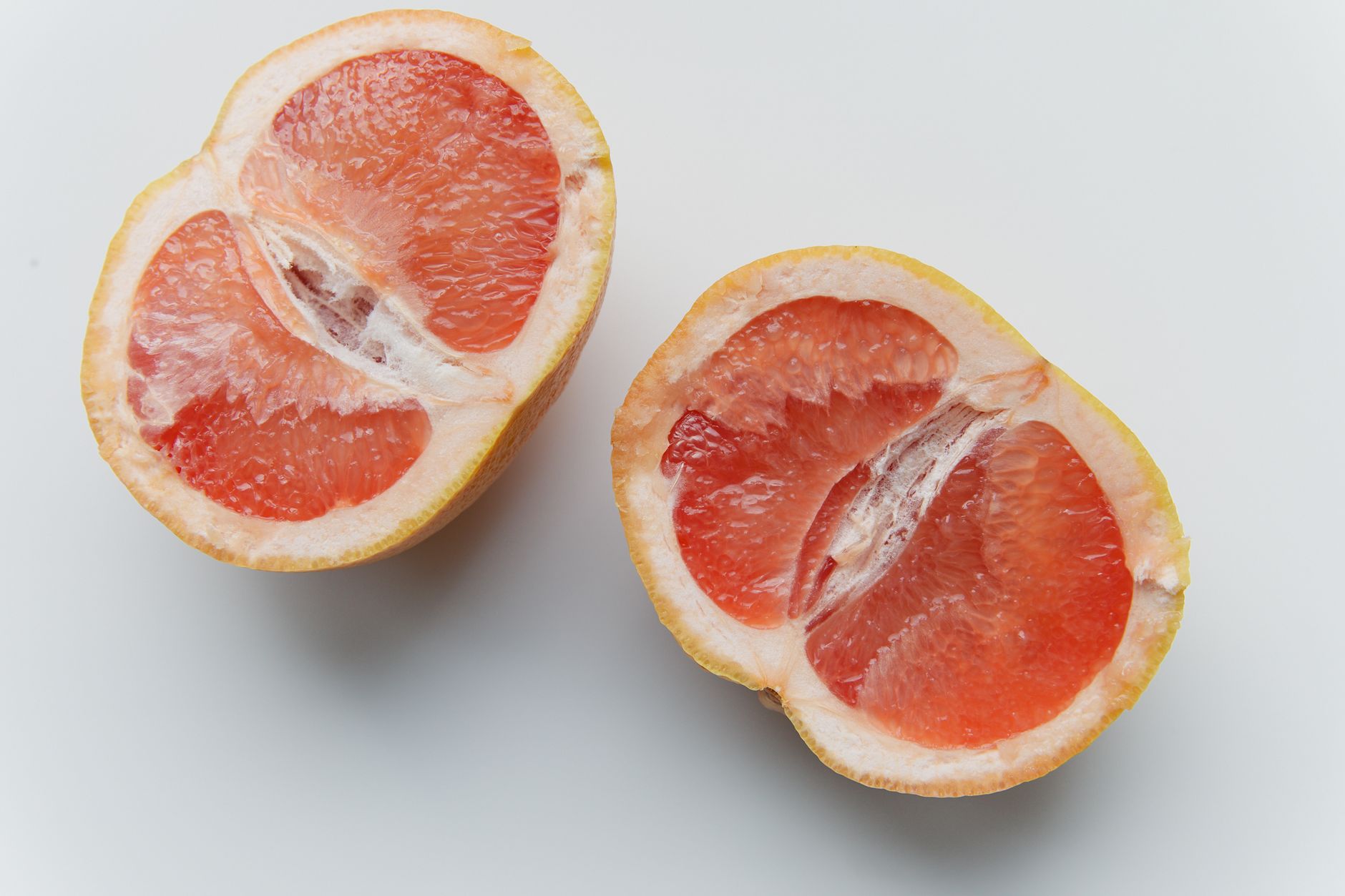
Grapefruit is a popular citrus fruit enjoyed for its refreshing taste and unique flavor. Many people wonder about the various colors of grapefruit and how these colors relate to their flavor profile and culinary uses. In this article, we will explore the different colors of grapefruit, their characteristics, and their applications in the kitchen.
From the vibrant pinks and reds to the traditional yellow, understanding these nuances can help elevate your meals and snacking experiences. Let’s delve into the world of grapefruit and discover what makes each variety special.
What Color Is a Grapefruit?
Grapefruit can be found in several colors, the most common being yellow, pink, and red. Yellow grapefruit typically has a more sour taste, while pink and red varieties tend to be sweeter due to higher sugar content. The color of a grapefruit is determined by its variety and the carotenoid pigments present in the flesh.
Types of Grapefruit and Their Colors
Understanding the different types of grapefruit can enhance your culinary choices. Below are the most common varieties you will encounter:
- White Grapefruit: Characterized by a pale yellow to white flesh, white grapefruit has a slightly bitter and sour flavor. This variety is the most traditional and is known for its refreshing taste.
- Pink Grapefruit: This variety has a light pink flesh and offers a sweeter flavor compared to white grapefruit. Pink grapefruit is rich in lycopene, giving it a pink hue and contributing to its health benefits.
- Ruby Red Grapefruit: A specific type of pink grapefruit, Ruby Red is known for its deep red flesh and sweetness. This variety is popular for its juiciness and vibrant color, often used in salads and desserts.
- Star Ruby Grapefruit: Similar to Ruby Red, Star Ruby features a dark red interior and is also very sweet. It is great for snacking or juicing due to its juicy consistency.
- Oro Blanco Grapefruit: A hybrid between a white grapefruit and a pomelo, Oro Blanco has a lighter yellow color and is sweeter with a smoother taste. Its low acidity makes it a favorite among those who may be sensitive to sour flavors.
Flavor Profiles of Grapefruit Varieties
The taste of grapefruit is influenced not only by its color but also by its variety. Here’s a closer look at the flavor profiles of different grapefruit types:
White Grapefruit
White grapefruit has a tart, slightly bitter flavor. It is less sweet than its pink and red counterparts, making it a great choice for savory dishes or as a palate cleanser.
Pink Grapefruit
The sweetness of pink grapefruit makes it ideal for fresh eating, juicing, and adding to fruit salads. Its balanced flavor pairs well with both sweet and savory ingredients.
Ruby Red Grapefruit
Ruby Red is known for its high sugar content and beautiful color, which brings a burst of sweetness to salads and desserts. It is increasingly popular for juicing due to its flavor and vibrant color.
Star Ruby Grapefruit
Star Ruby combines the sweetness of Ruby Red grapefruit with a deep, rich color. It is excellent for snacking on its own or used to add a pop of color to seltzers and cocktails.
Oro Blanco Grapefruit
The Oro Blanco is exceptionally sweet, less acidic, and often described as more mellow. Its flavor is complemented by its mild sweetness, making it a delightful addition to any meal.
Culinary Uses of Grapefruit
Grapefruit is versatile and can be used in a variety of ways in the kitchen. Here are some ideas for incorporating grapefruit into your meals:
Salads
Both the segments and juice of grapefruit can brighten up salads. Combine grapefruit segments with mixed greens, avocado, nuts, and goat cheese for a refreshing dish.
Juices and Smoothies
Fresh grapefruit juice is a popular breakfast beverage. For a nutritious smoothie, combine grapefruit with yogurt, honey, and spinach for a refreshing drink packed with vitamins.
Cooking and Baking
Grapefruit can add brightness to both savory and sweet dishes. The juice can be used to create marinades for fish or chicken, and zest can elevate baked goods.
Desserts
Sweet grapefruit can be used in desserts like sorbets and tarts. Consider making a grapefruit sorbet, blending fresh juice with sugar and freezing it for a refreshing treat.
Choosing and Storing Grapefruit
When purchasing grapefruit, keep in mind a few tips to select the best fruit:
- Color and Appearance: Look for grapefruit that is brightly colored and has smooth skin. Avoid any that have blemishes or soft spots.
- Weight: A grapefruit should feel heavy for its size, indicating juiciness.
- Texture: The skin should be firm, not hard or overly soft, which indicates ripeness and quality.
When it comes to storage, grapefruits can be kept at room temperature for a few days. However, for longer storage, keep them in the refrigerator. They can last up to two weeks in the fridge without losing flavor.
Health Benefits of Grapefruit
Grapefruit is not only delicious but also offers a range of health benefits:
- Rich in Nutrients: Grapefruits are low in calories and high in vitamin C, antioxidants, and dietary fiber.
- Supports Weight Loss: The fiber in grapefruit can help keep you full, while its natural sugars have a lower caloric content compared to other sweet fruits.
- Hydrating: With their high water content, grapefruits can help maintain hydration, especially during hot weather.
- Heart Health: Some studies suggest grapefruit may reduce inflammation and support cardiovascular health due to its antioxidants.
However, be aware that grapefruit can interact with certain medications, including statins. Always consult with your healthcare provider before making significant dietary changes.
Recipe Ideas Featuring Grapefruit
Here are a few easy and delicious recipes to get you started using grapefruit in your cooking:
Grapefruit Avocado Salad
This light and refreshing salad brings together the creamy texture of avocado and the zesty flavor of grapefruit.
Ingredients
- 1 medium pink grapefruit, segmented
- 1 ripe avocado, diced
- 2 cups mixed greens (arugula, spinach, or lettuce)
- 1/4 cup sliced almonds
- 2 tablespoons olive oil
- 1 tablespoon white balsamic vinegar
- Salt and pepper to taste
Instructions
- In a large bowl, combine the mixed greens, avocado, and grapefruit segments.
- In a small bowl, whisk together the olive oil, vinegar, salt, and pepper.
- Drizzle the dressing over the salad and toss gently to combine.
- Top with sliced almonds and serve immediately.
Grapefruit Sorbet
This simple sorbet is perfect for a hot summer day and showcases the natural sweetness of grapefruit.
Ingredients
- 2 cups fresh grapefruit juice (about 3-4 grapefruits)
- 1/2 cup sugar
- 1 cup water
- 1 tablespoon fresh lemon juice
Instructions
- Combine the sugar and water in a saucepan over medium heat. Stir until sugar dissolves and the mixture comes to a simmer.
- Remove from heat and let cool. Once cool, combine with grapefruit juice and lemon juice.
- Transfer the mixture to a shallow dish and place it in the freezer.
- Every 30 minutes, stir the mixture with a fork to break up ice crystals until it is fully frozen and fluffy, about 3-4 hours.
Common Mistakes to Avoid with Grapefruit
When using grapefruit, there are a few common pitfalls to be aware of:
- Overripe Grapefruit: Using overripe grapefruit can result in a mushy texture and off-flavors. Always select firm, fresh fruit.
- Improper Peeling: When segmenting grapefruit for salads, be sure to remove the bitter white pith to enhance the flavor.
- Ignoring Interactions with Medications: If you are taking certain medications, be cautious with grapefruit consumption, as it can interfere with their effectiveness.
Conclusion
Grapefruit is not only a colorful and flavorful addition to your diet but also comes with several health benefits. Understanding the different varieties and their culinary uses can enhance your meals, whether you’re preparing a fresh salad, a sweet dessert, or a refreshing drink. Don’t hesitate to experiment with grapefruit in your recipes and enjoy its unique characteristics.
For more culinary insights and food guides, feel free to check out our articles on what is a good substitute for rosemary and what is molasses made from.