
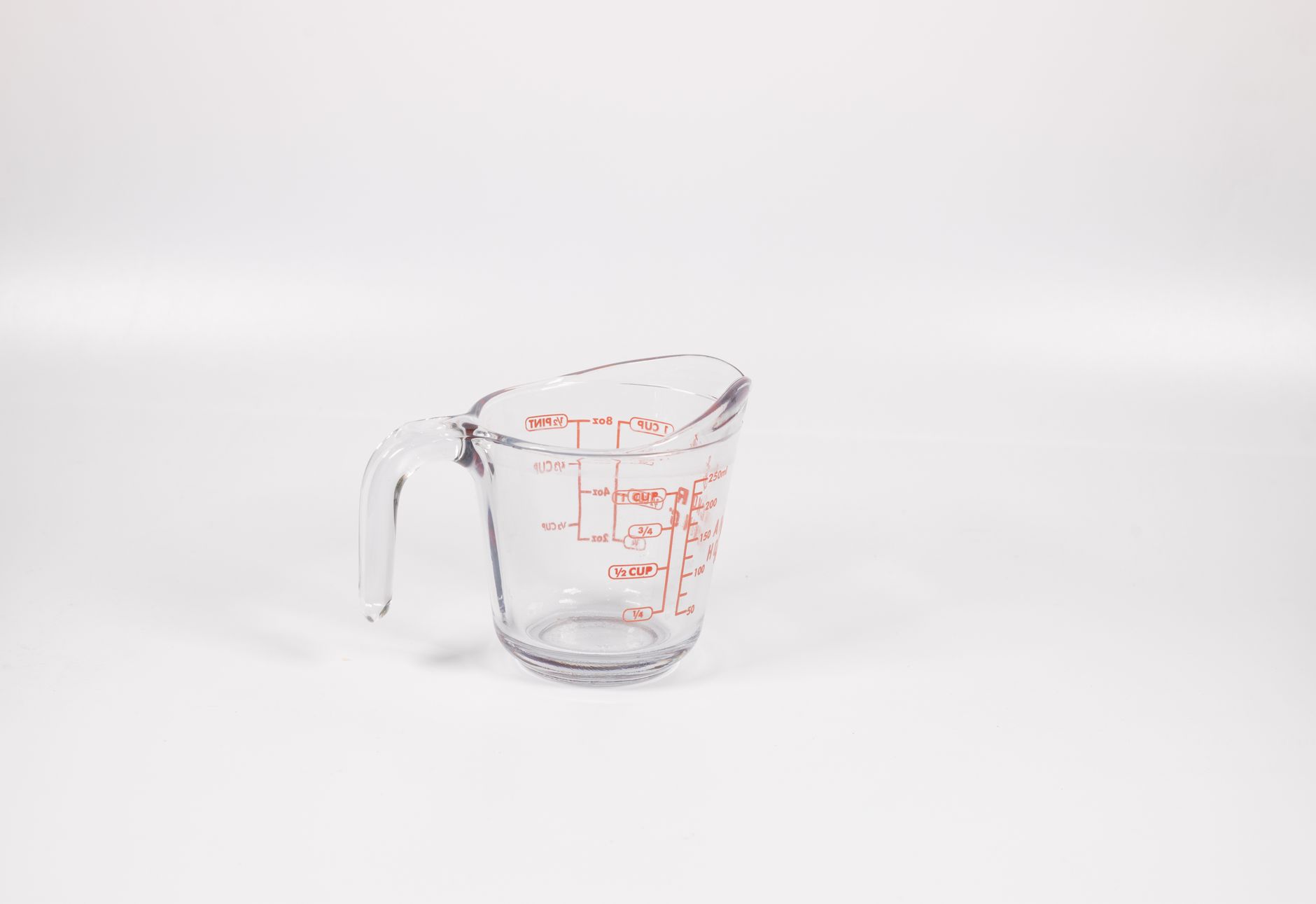
The question of how many cups are in a pint is a common one for home cooks, bakers, and anyone who enjoys measuring ingredients accurately. Understanding this conversion becomes essential for following recipes, especially when it comes to liquids and dry ingredients that require precise measurements. In this article, we will explore the exact conversion, tips for measuring, and useful information surrounding pints and cups to enhance your cooking and baking experiences.
Whether you are scaling a recipe up or down or simply trying to ensure accuracy in your measurements, knowing how many cups are in a pint will help you succeed in the kitchen. Let’s dive into the details of this essential kitchen measurement!
How Many Cups Are in a Pint?
In the United States, there are 2 cups in a pint. This conversion is straightforward and is an essential aspect of culinary measurements. It is important to note that this measurement can vary slightly in different regions, especially when comparing U.S. measurements to those used in the U.K. or other countries, but for the purposes of most recipes you will encounter, 2 cups is the correct conversion.
Understanding Pints and Cups
To truly grasp how measurements work in cooking and baking, it’s helpful to understand the definitions and uses of pints and cups. Here’s a brief overview of each measurement:
- Cup: A cup is a standard unit of measurement for volume in cooking. It is commonly used for both liquid and dry ingredients and is equivalent to 8 fluid ounces.
- Pint: A pint is also a unit of volume measurement, which is equivalent to 16 fluid ounces. Thus, two cups equal one pint, making it a larger measurement than a single cup.
Practical Applications of Cup and Pint Measurements
Understanding how to convert between cups and pints is crucial when following recipes. Here are some practical scenarios where knowledge of this conversion becomes useful:
1. Baking
Baking often requires precise measurements, and many recipes specify ingredients in pints rather than cups, particularly for liquids like milk or water. Knowing that 1 pint equals 2 cups allows you to easily adjust and follow these recipes without confusion.
2. Cooking Liquids
Many soup and sauce recipes use pints to describe quantities. When preparing soups, stews, or sauces, you might come across measurements indicating pints. Converting these to cups helps ensure you have the correct balance of flavors and serves.
3. Ingredient Substitutions
Sometimes, you need to adjust recipes based on the ingredients you have on hand. Understanding how to convert pints to cups allows you to modify quantities accurately when substituting one ingredient for another.
Measuring Tips for Accuracy
Accurate measurement is vital in both cooking and baking. Here are some essential tips to ensure you measure pints and cups correctly:
1. Use Standard Measuring Tools
Invest in a set of standard measuring cups and a liquid measuring cup. Measuring cups typically come in sets, with each cup labeled to simplify the process. A liquid measuring cup often has a spout for easy pouring and may even have measurements for both cups and pints.
2. Level Off Dry Ingredients
When measuring dry ingredients such as flour or sugar, use a straight edge (like a butter knife) to level off the top of the measuring cup for accuracy. This ensures you have the exact amount needed, especially important in baking.
3. Don’t Forget to Check for Gravity
For some liquids, like milk or water, weight can slightly alter volume based on gravity and temperature. Whenever possible, use standard room temperature liquid measurements for the most accurate results.
Common Ingredients Measured in Pints and Cups
Many ingredients in our kitchens are measured in pints or cups. Knowing how to convert between these measurements can significantly improve your cooking experience. Here’s a breakdown of some common ingredients and how their measurements might appear in recipes:
- Milk: Often called for in recipes in pints, you can easily convert pints of milk into cups. For instance, if a recipe calls for 1 pint of milk, use 2 cups instead.
- Broth: Soups and stews commonly use liquid broth in pints or quarts, making the ability to convert these measurements essential for maintaining flavor balance.
- Vegetables: Many recipes specify quantities of chopped vegetables in pints, especially in canning or preserving recipes.
- Sauces and Salad Dressings: Recipes for homemade sauces or dressings frequently use pints due to their typically larger volumes.
Common Measurement Errors and How to Avoid Them
Even with everything carefully planned, measurement errors can occur. Here are some common mistakes and ways to avoid them:
1. Ignoring Element Distinctions
It’s crucial to note that a dry pint and a liquid pint may hold different weights. For example, a pint of flour weighs far less than a pint of water. Always check the specific measurement requirements for the ingredient you’re using.
2. Not Adjusting for Container Shape
Using the wrong container can lead to improper measurements. Liquid measuring cups should typically have a rounded bottom, while dry measuring cups can be sturdier. Use the right tools to avoid inaccuracies.
3. Failing to Adjust for Elevation
High altitudes can impact the measurement of ingredients, especially when baking. If you are at a higher elevation, consider how measurements might change slightly based on the surrounding environment.
Conversions Between Other Volume Measurements
Understanding pints and cups is just the beginning. It can also be helpful to know how to convert these measurements into other units commonly used in cooking.
| Measurement | Equivalent |
|---|---|
| 1 Pint | 2 Cups |
| 1 Quart | 4 Cups |
| 1 Gallon | 16 Cups |
Exploring Other Measurement Units in Cooking
Aside from pints and cups, various other volume measurements are used in culinary arts, including quarts and gallons. It is beneficial to understand these terms and their conversions:
- Quart: A quart contains 4 cups or 2 pints. It is more commonly used for larger quantities.
- Gallon: A gallon contains 16 cups or 8 pints. This measurement is typically used for bulk purchases of liquids.
When to Use Cups vs. Pints
The choice between cups and pints often comes down to the type of recipe you are working with. Cooking methods dictate how precise measuring needs to be:
Baking
Baking demands higher precision, making precise measurements critical. For this reason, recipes may often use pints for ingredients like milk and water, allowing bakers to have enough liquid for successful baking.
Cooking
In cooking, especially over open flames or for simple dishes, chefs may take more liberties with measurements. While it still helps to measure accurately, home cooks often approximate ingredient amounts in ways that might simplify using pints versus cups.
Further Resources for Kitchen Measurements
In your culinary journey, having access to measurement conversions can be invaluable. Consider having a reference guide in your kitchen that lists measurements and conversions explicitly. You can also utilize smartphone apps that can quickly convert measurements for you.
Conclusion
Understanding how many cups are in a pint is foundational for anyone interested in cooking or baking. With 2 cups in a pint, you can confidently navigate recipes and make necessary conversions. By utilizing the tips and information provided in this article, you’ll be better equipped for your next culinary adventure.
For more insights into food preparation, check out our guides on the amount of water for rice and perfect baking times such as how long to bake chicken legs at 400 degrees. Your cooking skills will continue to improve with these resources at your fingertips!