
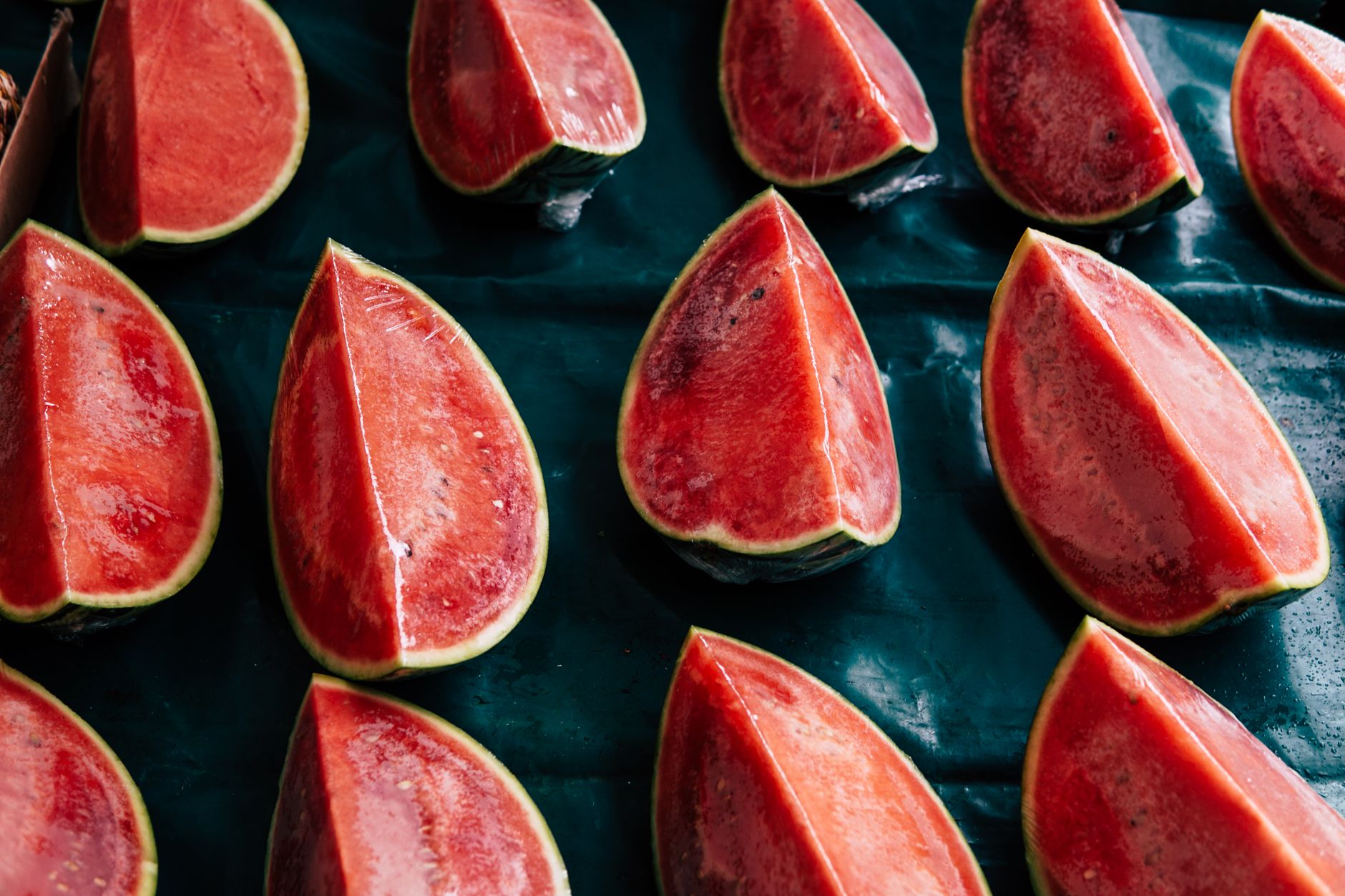
Watermelon, with its refreshing sweetness and juicy texture, is a beloved summer fruit. Not only is it delicious, but it is also low in calories, making it a popular choice for those looking to enjoy a guilt-free snack. In this article, we will dive into the calorie content of watermelon, its nutritional benefits, and how to incorporate it into your meal plans.
We’ll break down the various portions of watermelon, explore the health benefits it offers, and even provide tips on how to store watermelon efficiently. Whether you enjoy it plain, in salads, or blended into smoothies, knowing the nutritional content can help you make informed choices.
How Many Calories Is in Watermelon?
Watermelon contains approximately 30 calories per 100 grams. This low-calorie count makes it an appealing option for various diets, especially during the warmer months when hydration and lighter meals are desirable.
Understanding the Nutritional Profile of Watermelon
Watermelon is not just about its calorie count. It is packed with essential nutrients that contribute to a healthy diet. Here’s a closer look at its nutritional profile per 100 grams:
- Calories: 30
- Water: 91%
- Carbohydrates: 7.55 g
- Dietary Fiber: 0.4 g
- Sugars: 6.2 g
- Protein: 0.61 g
- Fat: 0.15 g
- Vitamin C: 8.1 mg
- Vitamin A: 835 IU
- Potassium: 112 mg
Health Benefits of Watermelon
Watermelon is not only a hydrating and low-calorie fruit; it also offers various health benefits due to its rich nutritional profile:
1. Hydration
With about 91% water content, watermelon is one of the most hydrating fruits available. Staying hydrated is crucial for overall health, especially in hot weather or after exercise.
2. Rich in Antioxidants
Watermelon contains antioxidants like lycopene and vitamin C, which help reduce oxidative stress in the body. Lycopene, in particular, has been associated with heart health and may reduce the risk of certain cancers.
3. Supports Heart Health
The lycopene and citrulline found in watermelon can contribute to heart health by improving blood circulation and reducing cholesterol levels. A healthy heart is vital for overall well-being.
4. Aids Digestion
While watermelon is not very high in fiber, it does contain a small amount, which can aid in digestion and help promote regular bowel movements. Additionally, its high water content can help prevent constipation.
5. Low in Calories and Fats
Being low in calories and virtually fat-free makes watermelon an excellent dessert alternative for those focused on weight management. You can satisfy your sweet tooth without the extra calories.
How to Incorporate Watermelon into Your Meals
Watermelon is versatile and can be added to various dishes, providing a sweet and refreshing flavor. Here are some ideas for incorporating this fruit into your meal plans:
1. Fresh Fruit Salad
Combine watermelon cubes with other fruits like berries, grapes, and mint for a refreshing summer fruit salad. A splash of lime juice can add a zesty kick.
2. Watermelon Smoothies
Blend watermelon with yogurt or a banana for a creamy smoothie. Add spinach or kale for an extra nutritional boost without altering the flavor significantly.
3. Grilled Watermelon
Slice watermelon into thick wedges and grill them for a smoky flavor. Pair with feta cheese and fresh herbs for a unique appetizer.
4. Watermelon Salsa
Chop watermelon, red onion, jalapeño, and cilantro to create a refreshing salsa. Enjoy it with tortilla chips or as a topping for fish and meats.
5. Watermelon Popsicles
Purée watermelon and pour it into popsicle molds for a healthy frozen treat. You can mix in other fruits or coconut water for additional flavor.
Portion Control: Serving Sizes of Watermelon
Understanding serving sizes is crucial for accurate calorie counting. Here are some typical portions of watermelon:
- 1 cup of diced watermelon (about 152 grams): approximately 46 calories
- 1 wedge of watermelon (about 1/16th of a small watermelon, or 286 grams): approximately 85 calories
- 1 slice of watermelon (about 1 inch thick): approximately 50-60 calories
These portions can help you incorporate watermelon into your diet while keeping track of your calorie intake.
Practical Tips for Storing Watermelon
To enjoy watermelon at its best, proper storage is essential. Here are some practical tips:
1. Whole Watermelon
Store a whole, uncut watermelon at room temperature, away from direct sunlight. This can keep it fresh for up to two weeks.
2. Cut Watermelon
Once cut, keep watermelon in an airtight container in the refrigerator. It will usually stay fresh for 3-5 days. If you notice any off smells or changes in texture, be sure to discard it.
3. Freezing Watermelon
If you have an excess of watermelon, consider freezing it. Slice it into cubes and spread them out on a baking sheet to freeze individually. Once frozen, transfer the cubes to a freezer bag. Frozen watermelon can last up to six months and is great for smoothies.
Common Mistakes When Choosing or Preparing Watermelon
While watermelon is a straightforward fruit to enjoy, there are some common mistakes to avoid:
1. Choosing a Poor Quality Watermelon
When selecting watermelon, choose one that feels heavy for its size and has a uniform shape without any major blemishes. A yellow spot on its side is a sign it has ripened on the ground and is likely sweeter.
2. Not Storing Properly
Failing to store watermelon properly can lead to spoilage. Always keep cut watermelon in an airtight container and consume it within a few days for the best taste and safety.
3. Overindulging
Even though watermelon is low in calories, consuming large quantities can lead to excessive sugar intake. Moderation is key to enjoying watermelon as part of a balanced diet.
Watermelon in Different Culinary Traditions
Watermelon is enjoyed in various culinary traditions around the world. Here are just a few notable preparations:
1. Mediterranean Cuisine
In Mediterranean countries, watermelon is often paired with feta cheese or olives, creating a sweet and savory combination that enhances flavors.
2. Asian Dishes
In some Asian cuisines, watermelon is pickled or used in salads alongside sesame oil or soy sauce, bringing a refreshing element to the meal.
3. Mexican Watermelon Rind Recipes
Mexico often utilizes watermelon rind to make candied fruits or in savory dishes, showcasing the versatility of every part of the fruit.
Conclusion and Next Steps
Watermelon is an excellent low-calorie fruit that offers hydration, essential vitamins, and various culinary possibilities. Whether you choose to eat it fresh, blend it in smoothies, or incorporate it into various dishes, it’s a delicious way to enjoy summer. Consider your serving sizes, storage methods, and delicious recipes to make the most of this refreshing fruit.
If you want to explore more about watermelon, consider learning about freezing watermelon or discover related recipes, cooking tips, or food guides to further enhance your culinary experience.