
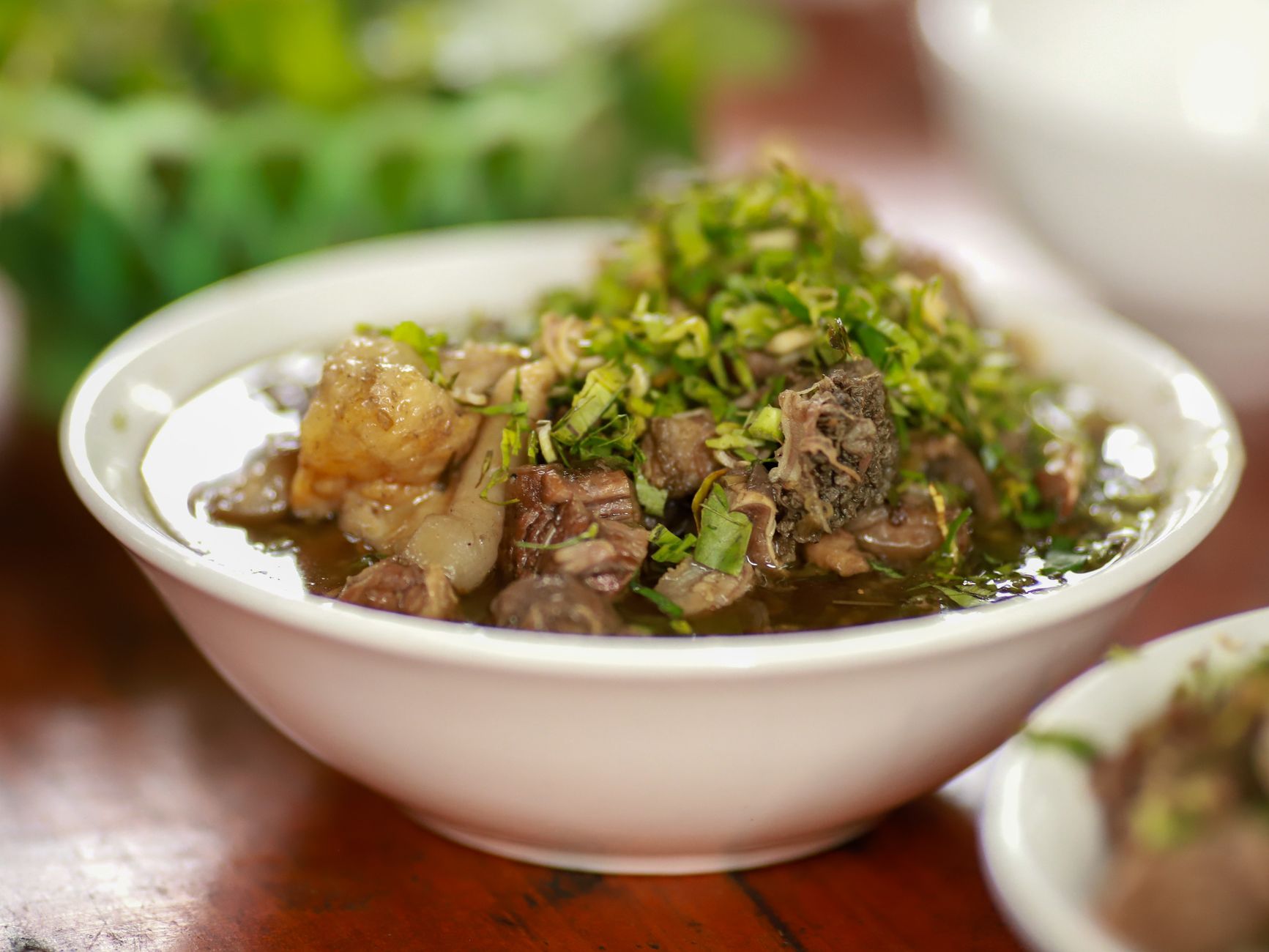
Horse meat, though not commonly consumed in many countries, is a significant protein source in various cultures around the world. Its richness in flavor, lean texture, and nutritional benefits have made it a delicacy in some regions, while it remains a topic of controversy in others.
This article delves into the consumption of horse meat, exploring its culinary uses, cultural perception, health considerations, and serving ideas. Whether you’re curious about its nutritional profile or looking to incorporate this unique meat into your meals, we’ve got you covered.
Do People Eat Horse Meat?
Yes, people do eat horse meat, although its popularity varies significantly by region. In countries like France, Italy, and Japan, horse meat can be found in restaurants and specialty shops. In contrast, it is less accepted in places like the United States and the United Kingdom, where its consumption raises ethical concerns.
Global Consumption of Horse Meat
Horse meat has a long history of consumption and varies by cultural context. In some countries, it is regarded as a delicacy and is celebrated for its unique flavor profile and health benefits.
Countries Where Horse Meat is Commonly Eaten
- France: Horse meat is available in butcher shops and can be prepared in various forms, including steaks and sausages.
- Italy: Known as “carne di cavallo,” horse meat is often served in pasta dishes or as a tartare.
- Japan: In Japan, raw horse meat (sakura) is served as sashimi and is appreciated for its tenderness.
- Central Asian Countries: Nations like Kazakhstan and Mongolia traditionally consume horse meat in dishes like “kazy” (sausage) and “beshbarmak” (meat served over pasta).
Cultural Significance
In many cultures, horses have played significant roles as working animals, companions, and food sources. In regions where horse meat is celebrated, it’s often tied to pride in traditional culinary practices. However, in cultures where horses are viewed more as companions or pets, eating horse meat can be considered taboo.
Nutritional Profile of Horse Meat
Horse meat is valued for its nutritional benefits, often containing less fat than other red meats and being rich in protein, vitamins, and minerals. Here is a general overview of its nutritional components:
| Nutrient | Per 100g Serving |
|—————|——————|
| Calories | 143 |
| Protein | 30g |
| Fat | 2.6g |
| Iron | 3.5mg |
| Vitamin B12 | 6.2µg |
| Zinc | 4.5mg |
Due to its lower fat content compared to beef or lamb, horse meat can be a healthier option for red meat lovers. It also provides significant amounts of iron and Vitamin B12, crucial for energy production and overall health.
Culinary Uses of Horse Meat
Horse meat lends itself to a variety of cooking methods and recipes. Its flavor can be characterized as slightly sweet and similar to that of beef but with a distinct gamey essence. Here’s a guide to its culinary uses:
Common Horse Meat Cuts
Like other meats, horse meat can be broken down into various cuts, each suitable for different cooking methods:
- Steaks: Often cut from the hindquarters, these can be grilled or pan-seared.
- Ground Meat: Used for burgers, meatballs, and sauces.
- Sausages: Horse meat can be transformed into sausages, like the famous French “boudin noir.”
- Tartare: Raw horse meat is prepared as tartare, seasoned with spices and served cold.
Cooking Techniques
Preparing horse meat is similar to beef, but due to its leanness, it requires different cooking techniques to avoid toughness. Here are methods you might consider:
- Grilling: Horse steaks can be grilled to medium-rare to maintain tenderness. Aim for an internal temperature of 130°F (54°C).
- Slow Cooking: Cuts like the chuck or shoulder are excellent for stews or braising, allowing the meat to become tender.
- Roasting: Whole cuts can be roasted, requiring the use of marinades or fats to keep the meat moist.
- Raw Preparation: For tartare, ensure the meat is of the highest quality and from a reputable source.
Serving Ideas for Horse Meat
Here are some ways to serve and enjoy horse meat:
Horse Meat Burger
A horse meat burger offers a flavorful alternative to traditional beefburgers. Here’s how to create a simple yet delicious version:
- Ingredients:
- 500g ground horse meat
- 1 teaspoon salt
- 1/2 teaspoon black pepper
- 1 tablespoon Worcestershire sauce
- 4 burger buns
- Your choice of toppings (lettuce, tomato, onion, cheese, etc.)
To prepare:
- In a bowl, combine the ground horse meat, salt, pepper, and Worcestershire sauce. Mix gently.
- Form the mixture into four burger patties.
- Preheat a grill or frying pan over medium heat. Cook the patties for approximately 4 minutes on each side for medium doneness.
- Serve on buns with desired toppings.
Horse Meat Tartare
A traditional dish served raw, horse meat tartare is seasoned with spices and often accompanied by toast. Here is a quick preparation guide:
- Ingredients:
- 200g high-quality raw horse meat, finely chopped
- 1 tablespoon Dijon mustard
- 1 tablespoon capers, finely chopped
- 2 tablespoons olive oil
- Salt and pepper to taste
- Chives or parsley, chopped (for garnish)
- Toast or crackers for serving
To prepare:
- In a bowl, combine the chopped horse meat with mustard, capers, olive oil, salt, and pepper.
- Mix gently to combine all ingredients.
- Shape into a patty or mound and place on a plate. Garnish with chives or parsley.
- Serve immediately with toast or crackers.
Health and Ethical Considerations
While horse meat can be a healthy protein source, various health and ethical considerations come into play. It’s essential to choose high-quality meat from reputable sources.
Health Concerns
As with any meat consumption, it’s important to consider the following:
- Proper Handling: Ensure that the meat is handled correctly to avoid contamination.
- Source Awareness: Purchase from farms or sellers that practice humane treatment and adhere to health regulations.
Ethical Debates
The consumption of horse meat often sparks debates regarding animal rights. In many Western cultures, horses are cherished as companion animals, making the idea of eating them controversial. Conversely, in cultures with a long-standing tradition of horse meat consumption, it can be seen as acceptable and part of historical heritage.
Conclusion
Horse meat represents a unique culinary option that varies greatly in acceptance and use around the world. From its diverse cuts to culinary methods and the essential ethical conversations surrounding its consumption, horse meat continues to be a food that sparks curiosity and engagement in the culinary world.
For those interested in exploring new flavors and culinary traditions, horse meat is an ingredient worth considering. As with any culinary venture, always prioritize quality and ethical sourcing in your foods.
Explore more about different meats and their uses, such as how to incorporate other red meats in your diet, cooking techniques for various cuts, and serving suggestions for flavorful meals at your next dining experience.