
In the quest for weight loss, the right food choices can make all the difference. Understanding which foods can effectively contribute to weight loss is crucial for anyone aiming to shed pounds healthily. This article will explore various food options that promote a feeling of fullness, are low in calories, and support overall wellness.
Additionally, we will discuss the importance of a balanced diet, meal planning strategies, and how to incorporate these foods into your daily meals. By the end of this guide, you will have a comprehensive understanding of what foods can help you lose weight efficiently.
What Food Makes You Lose Weight?
Foods that help with weight loss are typically low in calories and high in fiber, protein, and healthy fats, promoting feelings of fullness and satisfaction. Key categories include vegetables, fruits, whole grains, lean proteins, and healthy fats.
Vegetables: The Weight Loss Powerhouses
Non-starchy vegetables are essential for any weight loss diet. They are low in calories and high in fiber, making them filling while providing vital nutrients.
Leafy Greens
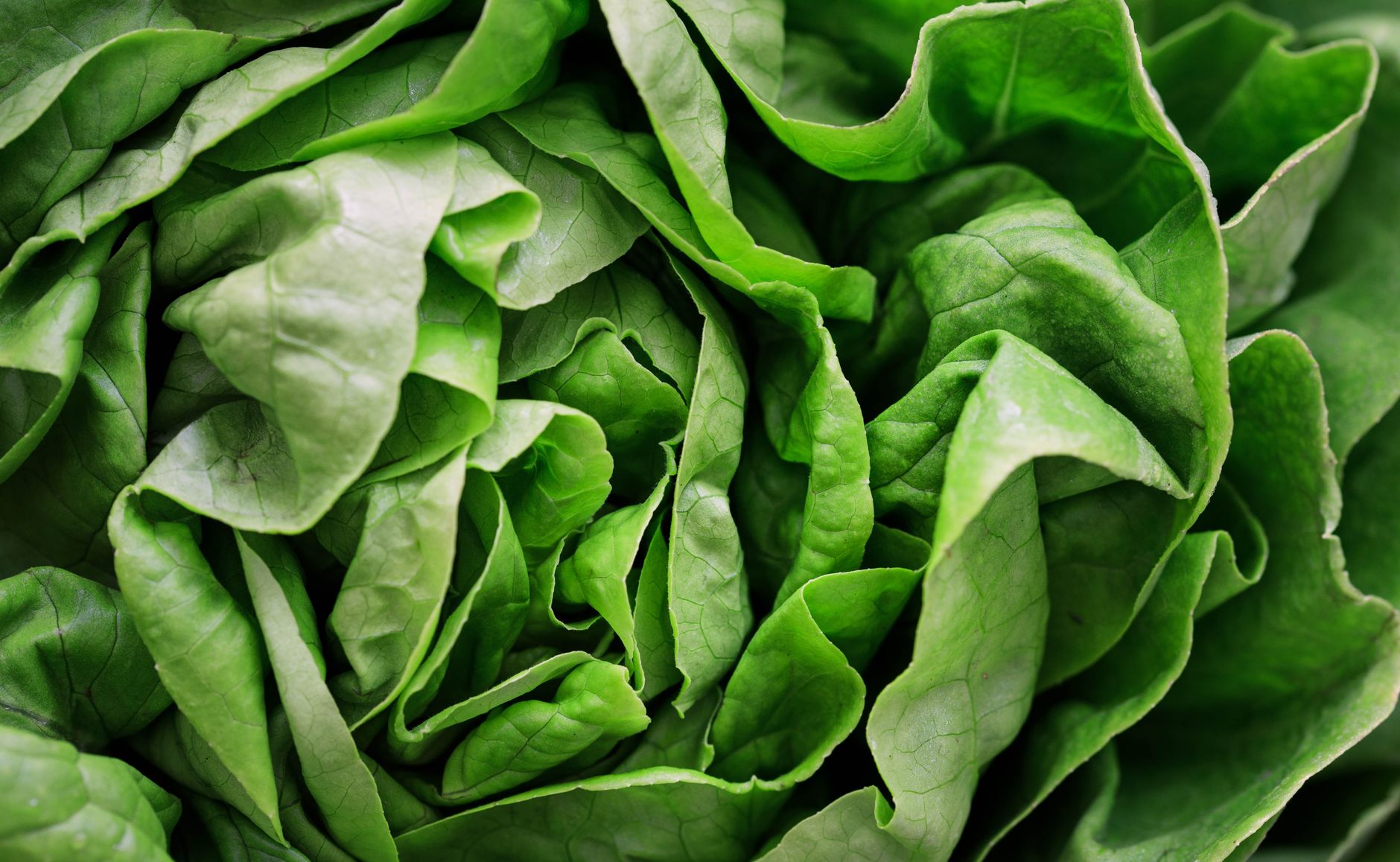
Leafy greens like spinach, kale, and Swiss chard are excellent choices. They are rich in vitamins A, C, and K, and their high fiber content promotes satiety.
- Spinach: 7 calories per cup. Add it to smoothies, salads, or stir-fries.
- Kale: 33 calories per cup. Use it in salads, smoothies, or sautéed as a side dish.
- Swiss Chard: 7 calories per cup. Best enjoyed sautéed or in soups.
Cruciferous Vegetables
Vegetables like broccoli, cauliflower, Brussels sprouts, and cabbage belong to the cruciferous family. These nutrient-dense foods can boost your metabolism and improve digestion.
- Broccoli: 55 calories per cup. Great roasted, steamed, or in stir-fries.
- Cauliflower: 25 calories per cup. Use as a rice substitute or in pureed soups.
- Brussels Sprouts: 38 calories per cup. Delicious roasted with olive oil.
Colorful Vegetables
Vegetables like bell peppers, carrots, and beets are not only delicious but also provide various vitamins and minerals.
- Bell Peppers: 24 calories per cup. Perfect for salads, stir-fries, or raw with dips.
- Carrots: 41 calories per cup. Snack on them raw or steam for a side dish.
- Beets: 58 calories per cup. Roast or add to salads for a sweet touch.
Fruits: Nature’s Desserts
Fruits are naturally sweet, and many varieties are low in calories but high in fiber and water content, making them excellent for weight loss.
Berries
Berries, including strawberries, blueberries, and raspberries, are among the best fruits for weight loss due to their antioxidant properties and low caloric content.
- Strawberries: 49 calories per cup. Enjoy fresh, in smoothies, or as a topping.
- Blueberries: 84 calories per cup. Ideal for snacking or adding to oatmeal.
- Raspberries: 65 calories per cup. Delicious in yogurts or salads.
Citrus Fruits
Citrus fruits like oranges, grapefruits, and lemons are refreshing and help fill you up thanks to their fiber and water content.
- Oranges: 62 calories per medium fruit. Perfect as a snack or in salads.
- Grapefruits: 52 calories for half. A great breakfast food to boost metabolism.
- Lemons: 17 calories per fruit. Use juice or zest to enhance flavors in dishes.
Whole Grains: Sustained Energy
Whole grains are more nutritious than their refined counterparts, providing fiber and protein that contribute to feelings of fullness.
Brown Rice and Quinoa
Both brown rice and quinoa are excellent sources of complex carbohydrates that keep you satisfied without adding excessive calories.
- Brown Rice: 218 calories per cooked cup. Use as a base for stir-fries or as a side dish.
- Quinoa: 222 calories per cooked cup. This versatile grain can be used in salads or as a main dish.
Oats
Oats are a great breakfast option, providing fiber and slow-release energy, which helps keep hunger at bay throughout the morning.
- Rolled Oats: 154 calories per cooked cup. Perfect for oatmeal, overnight oats, or baked goods.
Proteins: Building Blocks of Muscle
Incorporating lean proteins into your diet can help build muscle while keeping you full for longer periods. This is essential if you want to lose weight effectively.
Lean Meats
Lean meat options like chicken, turkey, and fish are lower in fat, providing a good protein source without excess calories.
- Chicken Breast: 165 calories per cooked 3.5 ounces. Ideal for grilling, baking, or stir-frying.
- Turkey Breast: 135 calories per cooked 3.5 ounces. Use in sandwiches, salads, or as main dishes.
- Fish: 206 calories per cooked 3.5 ounces (cod). Excellent baked, grilled, or steamed.
Plant-Based Proteins
For those looking for vegetarian or vegan options, beans, lentils, and tofu are excellent choices.
- Black Beans: 227 calories per cooked cup. Perfect for salads, tacos, or soups.
- Lentils: 230 calories per cooked cup. Great in soups, stews, or as a side dish.
- Tofu: 144 calories per cooked 3.5 ounces. Versatile for stir-fries, salads, or grilled dishes.
Healthy Fats: The Right Kind of Energy
Healthy fats can enhance flavor and satiety without sabotaging weight loss efforts when consumed in moderation.
Nuts and Seeds
Nuts and seeds provide protein, fiber, and healthy fats. Portion control is key, as they are calorie-dense.
- Almonds: 164 calories per ounce (about 23 nuts). Good as snacks or in salads.
- Chia Seeds: 138 calories per ounce. Use in smoothies, yogurt, or overnight oats.
- Flaxseeds: 150 calories per ounce. Great in smoothies or baked goods.
Avocado
Avocados are nutrient-rich and contain healthy fats that can enhance dishes and suppress appetite when used appropriately.
- Avocado: 234 calories per fruit. Excellent in salads, spreads, or smoothies.
Meal Planning for Weight Loss
Effective meal planning is essential for weight loss. It helps you make healthier choices, control portions, and avoid impulse eating.
Steps to Plan Your Weekly Meals
- Set Your Goals: Determine your weight loss goals and needs.
- Pick Your Recipes: Choose meals that include a balance of the foods discussed above.
- Create a Shopping List: List all ingredients needed for your chosen recipes.
- Prep Your Meals: Allocate time to prepare several meals at once to save time during the week.
- Keep It Diverse: Include different food groups to avoid monotony.
- Stay Hydrated: Remember to incorporate plenty of water to help with weight loss.
Sample Meal Plan
Here’s a simple meal plan utilizing the discussed food items:
| Meal | Option 1 | Option 2 |
|---|---|---|
| Breakfast | Oatmeal topped with berries and almonds | Greek yogurt with chia seeds and sliced banana |
| Lunch | Quinoa salad with kale, cherry tomatoes, and grilled chicken | Brown rice, black beans, and sautéed spinach |
| Dinner | Baked salmon with steamed broccoli and sweet potato | Stir-fried tofu with bell peppers and cauliflower rice |
| Snacks | Carrot sticks with hummus | Apple slices with peanut butter |
Practical Tips for Implementing Healthy Foods into Your Diet
- Batch Cook: Prepare large portions of meals that can be portioned out for later use.
- Snack Wisely: Keep healthy snacks on hand to avoid reaching for unhealthy options.
- Mind Portion Sizes: Use smaller plates and bowls to help control serving sizes.
- Stay Legally Hydrated: Drink plenty of water and herbal teas throughout the day.
- Listen to Your Body: Eat when hungry and stop when full, focusing on whole foods.
Common Mistakes to Avoid
It’s easy to fall into pitfalls during a weight loss journey. Here are some common mistakes to watch out for:
- Skipping Meals: Skipping meals can lead to overeating later. Aim for balanced meals instead.
- Over-relying on “Fat-Free” Products: Often, these products contain added sugars to compensate for flavor.
- Ignoring Caloric Intake: Even healthy foods can contribute to weight gain if consumed in excess.
Weight loss is a gradual process requiring patience and consistency. Focus on incorporating a variety of nutrient-dense foods from different categories discussed above. Maintain a balanced approach to meals and exercise regularly for best results.
With diligence and the right food choices, you can achieve your weight loss goals without feeling deprived. Make small, sustainable changes to your diet, and remember that it’s about creating lifelong healthy habits, not just a quick fix.
For more insights into weight loss and healthy eating, consider checking out these guides on belly fat and probiotic foods: What to Eat to Lose Belly Fat and What Foods Have Probiotics.