
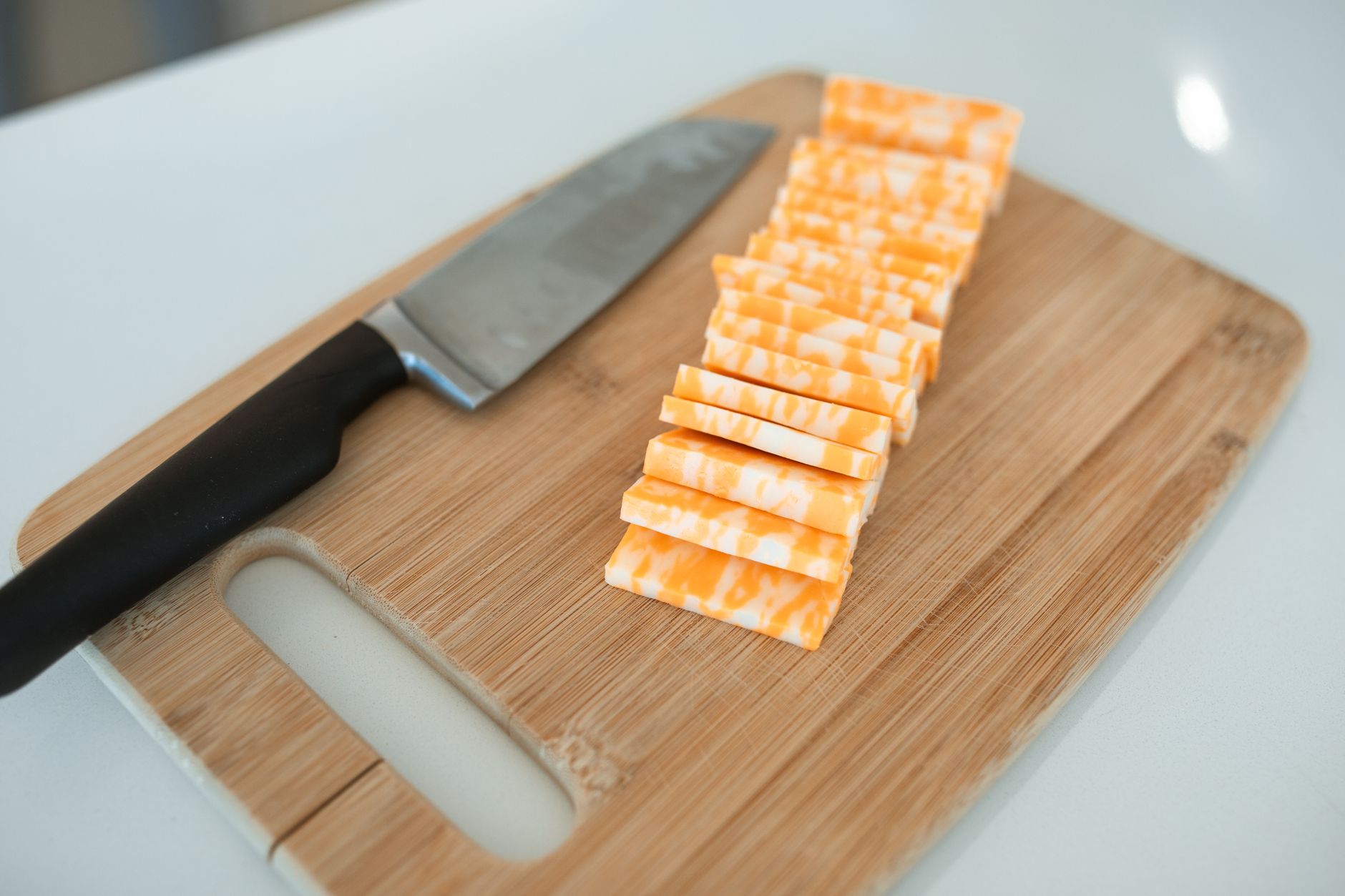
Colby Jack cheese, a delightful blend of Colby and Monterey Jack cheeses, has become a staple in many kitchens. Its distinctive marbled appearance and balanced flavor make it a popular choice for various dishes. In this article, we’ll explore what is in Colby Jack cheese, its unique taste profile, and how you can incorporate it into your meals.
Understanding the ingredients and composition of Colby Jack cheese will help you appreciate its versatility and enhance your cooking. We will also cover different ways to use this cheese in recipes ranging from snacks to main courses.
What Is in Colby Jack Cheese?
Colby Jack cheese is primarily made from simple, wholesome ingredients. The main components include milk, salt, cultures, and enzymes. This cheese is semi-soft and has a mild, slightly tangy flavor due to the fermentation process during production. Let’s break down each ingredient further:
1. Milk
The foundation of Colby Jack cheese is high-quality cow’s milk. This milk is typically pasteurized to eliminate harmful bacteria and ensure safety. The use of whole milk contributes to the creamy texture and rich flavor.
2. Starter Cultures
Starter cultures include beneficial bacteria that initiate the cheese-making process. These cultures promote fermentation, which gives Colby Jack its characteristic taste. They also aid in developing the cheese’s texture and can influence its aging process.
3. Rennet
Rennet is an enzyme that causes the milk to curdle, separating the solid curds from the liquid whey. The curds are what ultimately become cheese. Rennet can be animal-based or plant-based, so it’s essential to check if you have dietary considerations.
4. Salt
Salt is added for flavor and acts as a preservative, inhibiting unwanted bacterial growth. The amount of salt can vary, impacting the overall flavor profile of the cheese. It also plays a crucial role in enhancing the flavor of the cheese.
5. Color Additives
Colby Jack cheese often contains natural color additives like annatto, which gives it the beautiful orange marbling. This not only enhances its appearance but also does not significantly alter its taste.
The Nutritional Profile of Colby Jack Cheese
Colby Jack cheese is a source of protein, calcium, and essential vitamins. Here’s a general breakdown of its nutritional components per ounce:
- Calories: Approximately 110
- Protein: 7 grams
- Fat: 9 grams
- Carbohydrates: 1 gram
- Calcium: 20% of the daily value
The nutritional values can vary slightly depending on the exact recipe and method used by manufacturers. It’s crucial to check the labels when purchasing.
Flavor and Texture Profile
Colby Jack cheese combines the creamy mouthfeel of Monterey Jack with the firmer, crumbly texture of Colby. This unique blend results in a mild, slightly sweet, and tangy flavor that pairs well with many ingredients. Its versatility allows it to shine in various culinary applications, from sandwiches to salads and beyond.
How to Use Colby Jack Cheese
Colby Jack cheese is incredibly versatile. Here are some practical ways to incorporate it into your meals:
1. Snacking
Colby Jack cheese makes for a great snack on its own or paired with crackers, fruits, and nuts. Its mild flavor complements a variety of accompaniments, making it an excellent choice for cheese boards.
2. Melting
This cheese melts beautifully, making it ideal for various cooking applications. Consider using it in:
- Quesadillas: Combine it with other cheeses for a gooey filling.
- Grilled cheese sandwiches: Pair it with sharper cheeses for a complex flavor.
- Baked dishes: Use it in casseroles or melted over vegetables.
3. Salads
Colby Jack cheese adds a tasty touch to salads. Consider cubing it or shredding it and adding it to:
- Garden salads: Its mild flavor complements various dressing choices.
- Chicken salads: A hearty addition that enhances both protein and flavor.
4. Dips and Spreads
Incorporate Colby Jack into creamy dips for parties. You can create cheesy dips by combining it with other ingredients, such as:
- Ranch dressing: Mix with sour cream and spices for a classic dip.
- Spinach artichoke dip: Combine with cream cheese for a rich, cheesy spread.
5. Baked Goods
For a twist on traditional recipes, consider adding Colby Jack cheese to baked goods. It can elevate flavors in:
- Bread: Add shredded cheese to dough for savory loaves.
- Muffins: Incorporate cheese into savory muffin recipes for an unexpected treat.
Storage Tips for Colby Jack Cheese
Proper storage of Colby Jack cheese is crucial to maintain its flavor and texture. Here are some tips:
- Refrigeration: Store in the fridge at a temperature between 34°F and 40°F (1°C to 4°C).
- Wrapping: Wrap cheese in wax paper or parchment before placing it in an airtight container. This helps it breathe while preventing it from drying out.
- Freezing: If you need to freeze Colby Jack, shred it first and store it in a suitable freezer bag. Keep in mind that the texture may change slightly after thawing.
Practical Substitutions for Colby Jack Cheese
If you find yourself without Colby Jack cheese, there are several alternatives you can consider, depending on your dish:
- Monterey Jack: A direct substitute offers a similar creamy texture and mild flavor.
- Cheddar: For a sharper taste, use cheddar cheese either in combination with Monterey Jack or alone.
- Havarti: This cheese provides a buttery flavor and melts well, making it suitable in many baked dishes.
Common Mistakes When Using Colby Jack Cheese
Although Colby Jack is user-friendly, some common mistakes can detract from your dishes:
- Overheating: When melting Colby Jack, avoid high heat as it can cause the cheese to become oily.
- Ignoring expiration dates: Cheese can develop off flavors if used past its prime. Always check the packaging for freshness.
- Using the wrong cheese: Substituting cheeses that have vastly different flavors can lead to unbalanced dishes.
Pairing Colby Jack Cheese with Foods and Drinks
When planning meals with Colby Jack cheese, consider pairing it with compatible flavors to elevate your dishes. Here are some suggestions:
Foods
- Meats: It complements turkey, ham, and chicken well.
- Fruits: Pair it with apples, pears, and grapes for a delicious contrast.
- Nuts: Walnuts and almonds provide a nice crunch and enhance the protein content.
Drinks
Colby Jack cheese pairs well with various beverages:
- White wines: Sauvignon Blanc or Chardonnay balance the cheese’s creaminess.
- Craft beers: Pale ales and IPAs offer a refreshing contrast to the mild flavor.
- Non-alcoholic: Sparkling water or apple cider can be refreshing accompaniments as well.
Conclusion
Colby Jack cheese is an approachable, versatile cheese that can enhance a wide range of dishes. Its mild flavor and delightful texture make it a great option for both cooking and snacking. By understanding its ingredients and how to incorporate it into your meals, you can make the most of this tasty cheese.
If you’re looking to expand your culinary knowledge, explore more about Chihuahua cheese or try a tasty cottage cheese dip recipe. Discover how to make your kitchen experience even better!