
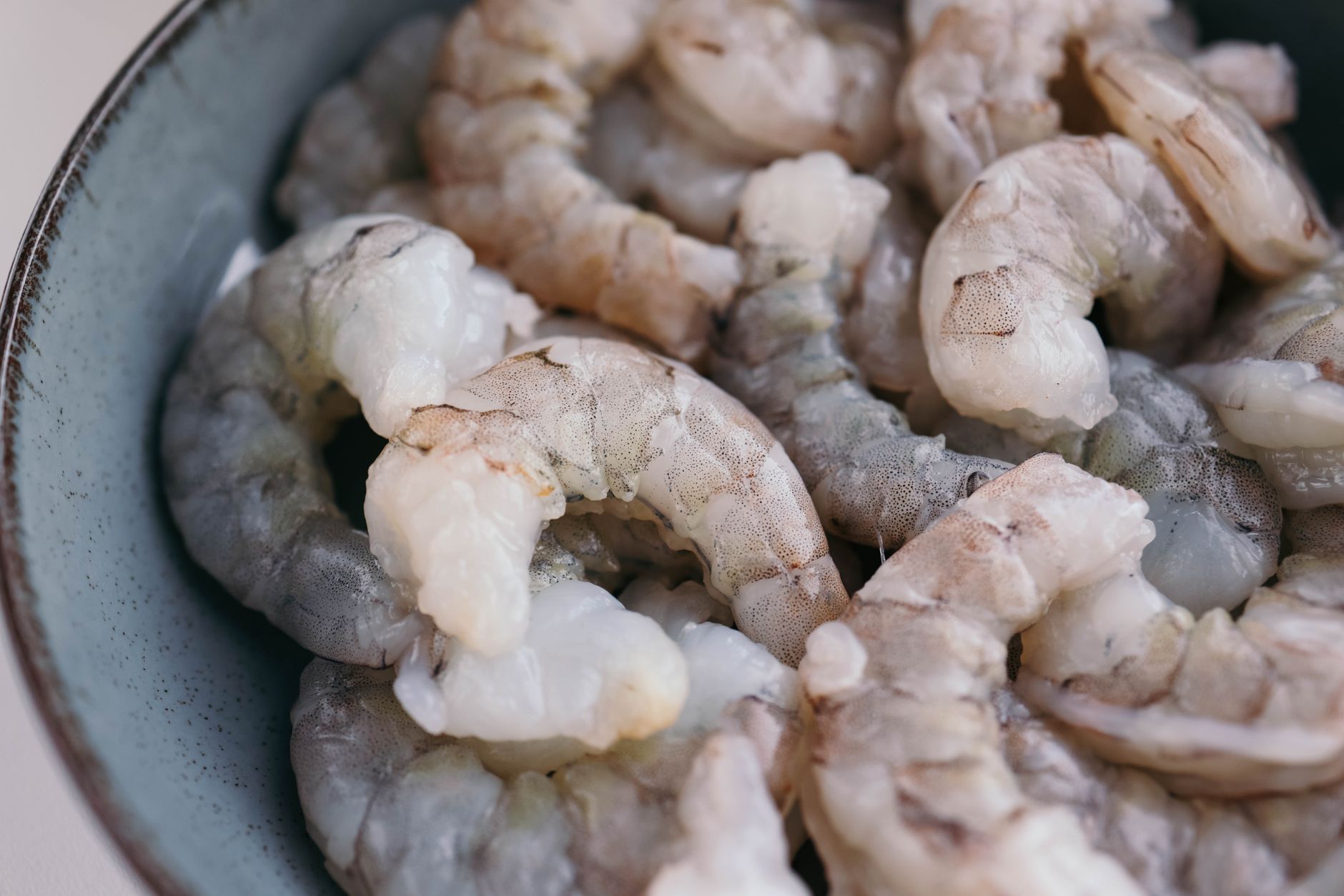
Shrimp is a popular seafood choice known for its versatility, mild flavor, and quick cooking time. Many people enjoy it in various dishes, from stir-fries to tacos. Aside from its delightful taste, shrimp is also a great source of protein, making it a fantastic option for those looking to increase their intake of this essential nutrient.
In this article, we will explore how many grams of protein are found in one shrimp and delve into the nutritional value of shrimp, its health benefits, and ways to incorporate it into your diet. This information will be useful whether you’re meal planning, counting macros, or simply curious about shrimp’s dietary contributions.
How Many Grams of Protein in One Shrimp?
On average, a single medium-sized shrimp (about 14 grams) contains approximately 3 grams of protein. The protein content can vary slightly depending on the size and cooking method, but shrimp is consistently recognized for its high protein content relative to calories.
Understanding Shrimp Varieties and Their Nutritional Profiles
When exploring shrimp, it’s important to note the different types available, such as wild-caught and farm-raised. Each variety may have a slightly different nutritional profile, including protein content. Here are some common types of shrimp and their typical protein content per serving:
- Small shrimp Approximately 2.5 grams of protein per medium shrimp.
- Medium shrimp About 3 grams of protein per medium shrimp.
- Large shrimp Roughly 4 grams of protein per medium shrimp.
- Jumbo shrimp Approaching 5 grams of protein per medium shrimp.
The Nutritional Breakdown of Shrimp
Shrimp is not only high in protein but also offers a range of other nutrients. Here’s a general nutritional breakdown for a 100-gram serving of cooked shrimp:
| Nutrient | Amount |
|---|---|
| Calories | 99 |
| Protein | 24 grams |
| Fat | 0.3 grams |
| Carbohydrates | 0.2 grams |
| Cholesterol | 189 mg |
| Sodium | 150 mg |
| Vitamin B12 | 1.6 µg |
| Selenium | 27 µg |
This nutritional profile makes shrimp a nutrient-dense choice, particularly for those looking for low-calorie protein sources.
Health Benefits of Eating Shrimp
Shrimp provides more than protein; it also contributes to several health benefits:
- High in Omega-3 Fatty Acids: Shrimp contains healthy fats, especially long-chain omega-3 fatty acids, which are important for heart health.
- Low in Calories: With only 99 calories per 100 grams, shrimp is a great option for those wanting to eat something lean without sacrificing flavor.
- Rich in Vitamins and Minerals: Shrimp is an excellent source of vitamin B12 and selenium, essential for metabolism and overall health.
- Weight Management: The high protein content can promote feelings of fullness, which may help with weight management.
Incorporating Shrimp into Your Diet
There are countless delicious ways to include shrimp in your meals. Whether you’re preparing a simple salad or a complex dish, shrimp can enhance both flavor and nutrition. Here are some cooking methods and meal ideas:
Cooking Methods
Here are some popular cooking methods for shrimp:
- Grilling: Perfect for outdoor barbecues, grilled shrimp adds a smoky flavor.
- Sautéing: Quick and easy, this method produces tender shrimp that absorb the flavors of the accompanying ingredients.
- Boiling: This classic method is great for shrimp cocktails and poached dishes.
- Baking: Baking shrimp in the oven allows for deep flavor development, especially when mixed with herbs and spices.
- Frying: While higher in calories, fried shrimp, such as coconut shrimp, can be a delightful occasional treat.
Meal Ideas
Here are some simple meal ideas featuring shrimp:
- Shrimp Tacos: Fill corn tortillas with grilled shrimp, avocado, cabbage slaw, and a lime crema.
- Shrimp Stir-Fry: Sauté shrimp with a selection of fresh vegetables and serve over rice or noodles.
- Shrimp Salad: Toss cooked shrimp with mixed greens, tomatoes, cucumbers, and a vinaigrette dressing for a refreshing meal.
- Shrimp Pasta: Combine sautéed shrimp with pasta and a creamy garlic sauce for a filling dish.
- Shrimp & Grits: This Southern classic dishes tender shrimp over savory grits for a comforting meal.
Common Mistakes When Cooking Shrimp
While cooking shrimp is relatively simple, certain mistakes can compromise the final dish:
- Overcooking: Shrimp can turn tough and rubbery when overcooked. Aim for a firm texture that’s opaque and pink in color.
- Not Prepping Properly: Rinsing shrimp and removing the shell and vein should not be overlooked to enhance the texture and taste.
- Ignoring Freshness: Always purchase shrimp that are fresh or properly frozen to avoid a loss of flavor and nutritional value.
- Using High Heat only: While shrimp cooks quickly, reducing the heat for sautéing can help achieve a more even cook.
How to Store and Reheat Shrimp
It’s important to store shrimp safely to prevent spoilage. Here’s how:
Storage
- Raw Shrimp: Keep in the coldest part of your refrigerator and use within one to two days. For longer storage, freeze until needed.
- Cooked Shrimp: Store in an airtight container in the refrigerator for up to three days.
Reheating
When reheating shrimp, it’s best to avoid high heat. Here’s a simple method:
- Place shrimp in a skillet over low heat.
- Add a bit of water or broth to steam them gently.
- Heat until just warmed through, being careful not to overcook.
Practical Substitutions for Shrimp
If you’re looking for alternatives to shrimp, here are some options:
- Chicken Breast: Offers a similar protein content but has a different flavor profile.
- Tofu: A great plant-based option that can absorb flavorful marinades.
- Scallops: Similar texture and flavor, though high in natural sweetness.
- Fish: Most white fish can be cooked similarly to shrimp, adding variety without sacrificing nutrition.
Conclusion
Shrimp is an excellent source of protein, with approximately 3 grams in a single medium-sized shrimp. Its versatility in cooking combined with its nutritional benefits makes it a valuable addition to any diet. Whether you’re preparing a quick meal or a feast for guests, shrimp can elevate your culinary practices.
Next time you’re in the kitchen, consider shrimp for your protein needs and experiment with various cooking methods and recipes. Don’t forget to explore our recipes for creamy coconut shrimp and the perfect shrimp sauce for a delicious twist on your next meal.