
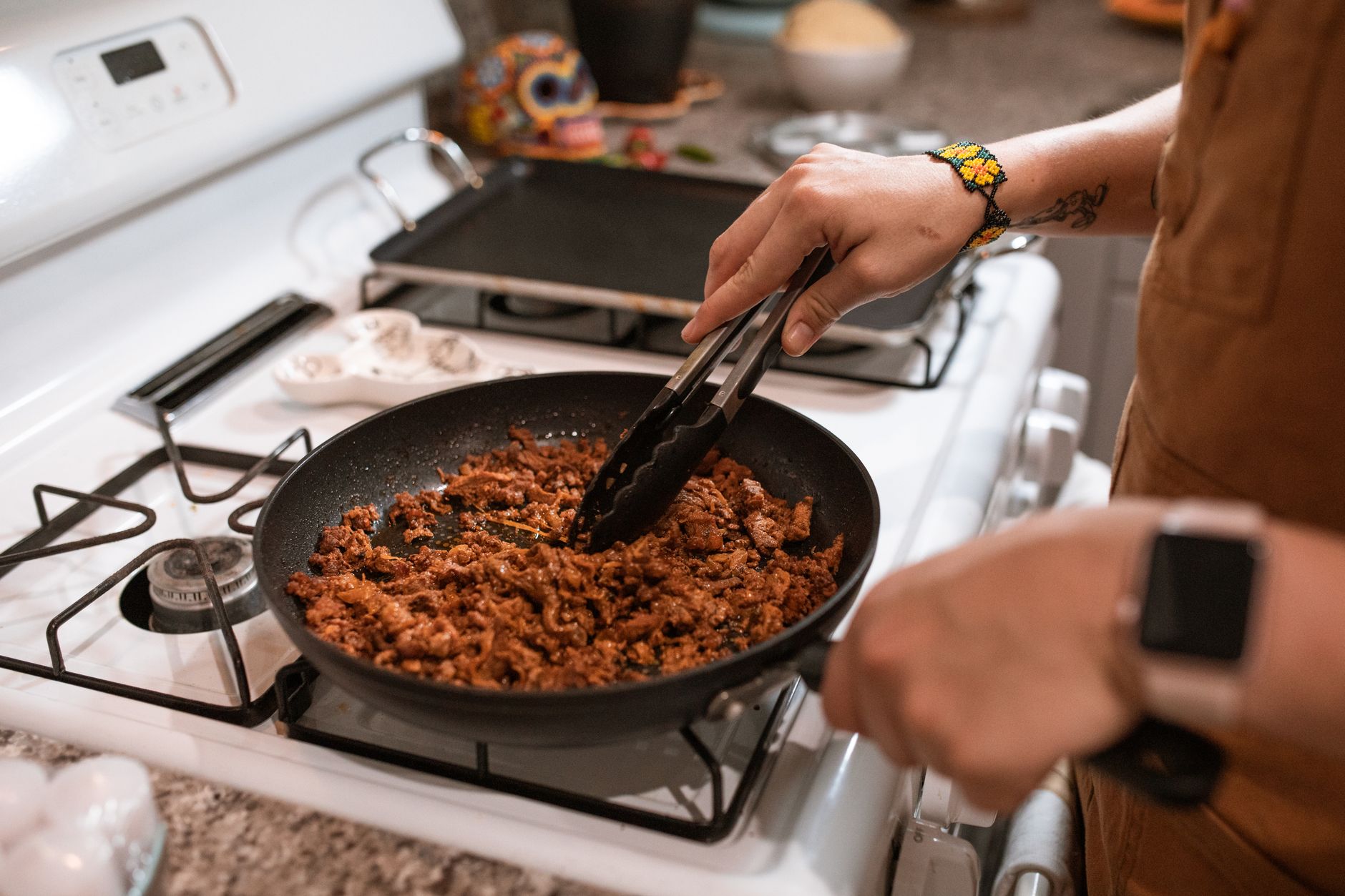
Ground beef is a versatile ingredient that graces many kitchens around the world. Whether you’re making burgers, tacos, or meat sauces, the seasoning can make or break your dish. One common question arises: do you season ground beef before or after cooking?
In this article, we will explore the best practices for seasoning ground beef and provide insights on enhancing its flavor, as well as tips on cooking techniques and handling. Whether you’re a novice cook or an experienced chef, understanding how and when to season ground beef will elevate your culinary creations.
Do You Season Ground Beef Before or After Cooking?
The answer to the question often depends on the cooking method and the desired outcome. Generally, seasoning ground beef before cooking is recommended for better flavor infusion. This allows the spices and seasonings to permeate the meat as it cooks. However, there are scenarios where seasoning after cooking can also be beneficial. Below, we delve into both methods.
Why Season Before Cooking?
Seasoning ground beef before cooking allows for flavors to meld and develop throughout the cooking process, enhancing the meat’s taste. When beef is mixed with spices and herbs beforehand, it absorbs the flavors more effectively, making each bite delicious.
How to Season Before Cooking
- Choose Your Seasoning: Common seasonings for ground beef include salt, pepper, garlic powder, onion powder, paprika, and cumin. Fresh herbs like parsley or cilantro can also be added at this stage for extra flavor.
- Mix Thoroughly: In a bowl, combine ground beef with chosen seasonings. Use your hands or a fork to mix evenly without overworking the meat, which can make it tough.
- Let it Rest: Allow the seasoned meat to rest for about 15-30 minutes. This resting phase helps flavors to penetrate the meat more effectively.
When Should You Season?
- Immediately: For dishes like burgers or meatballs, seasoning right before cooking is effective as it ensures the mix stays juicy and flavorful.
- Marinating: For deeper flavors, marinate your ground beef with seasonings for an hour or overnight in the fridge.
- Cooking Method: If you are making dishes that simmer for a long time, like stews, you may want to add some seasonings at the start and adjust the taste before serving.
Why Season After Cooking?
Seasoning ground beef after cooking might be useful in certain scenarios, particularly when working with delicate flavors or sauces that you do not want to overpower.
Situations for Post-Cooking Seasoning
- For Precise Flavor Control: Adding salt and seasonings to cooked meat allows you to control the flavor more accurately based on your taste preferences.
- For Sauces and Gravies: If the ground beef will be part of a sauce or gravy, season the sauce separately to prevent over-seasoning the meat.
- For Crispier Texture: If you’re making crispy ground beef, you might add salt or spices right after the meat has cooked to adhere better to the surface, enhancing texture.
Cooking Techniques for Seasoned Ground Beef
Different cooking techniques influence how flavors meld with ground beef. Here are some popular methods and tips for seasoning:
Sautéing
- Heat Your Pan: Preheat a skillet over medium-high heat. A hot pan is crucial for a good sear, which enhances flavor.
- Add Oil: A small amount of oil (like olive or canola) can help prevent sticking and improve browning.
- Cook in Batches: If you’re using a lot of meat, consider cooking in small batches for even cooking and browning. Season the meat before adding it to the pan.
Baking
Baking ground beef in the oven is an excellent way to retain moisture.
- Preheat Oven: Set your oven to 375°F (190°C).
- Season Before Baking: Combine your ground beef with spices and ingredients like breadcrumbs or chopped vegetables for added flavor and texture.
- Use Parchment Paper: Lining the baking pan with parchment can make cleanup easier and help retain moisture.
Grilling
Grilling adds a smoky flavor to ground beef.
- Shape Patties: For burgers, shape patties and season them with salt and pepper just before placing them on the grill.
- Watch the Temperature: Aim for a medium-high heat, about 400°F (204°C), to achieve maximum flavor while ensuring thorough cooking.
- Don’t Press Down: Avoid pressing burgers down on the grill; this lets juices escape.
Slow Cooking
Slow cooking ground beef can infuse flavors deeply.
- Sear First: Browning the meat first in a skillet and seasoning it before transferring to the slow cooker can enhance the overall flavor.
- Add Ingredients Wisely: Layer your vegetables and broth carefully in the slow cooker for optimal flavor integration.
- Season Before Serving: Always taste and adjust seasoning before serving as flavors will develop over long cooking times.
Common Mistakes When Seasoning Ground Beef
When seasoning ground beef, some common mistakes can affect the dish’s outcome:
- Overseasoning: Too much salt or spice can overpower the meat. Start with small amounts and adjust.
- Forgetting to Mix: Not mixing seasonings well may lead to uneven flavors in the cooked beef.
- Ignoring Rest Time: Cutting into the meat right after cooking prevents juices from redistributing. Let it rest for a few minutes.
Ideas for Seasoning Blends
To inspire your culinary creativity, here are some seasoning blend ideas tailored to various cuisines:
Classic Burger Blend
- 1 teaspoon salt
- 1/2 teaspoon black pepper
- 1 teaspoon garlic powder
- 1 teaspoon onion powder
- 1 teaspoon smoked paprika
Taco Seasoning
- 1 tablespoon chili powder
- 1 teaspoon cumin
- 1 teaspoon garlic powder
- 1 teaspoon onion powder
- 1/2 teaspoon oregano
- 1/2 teaspoon cayenne pepper (adjust for heat)
Italian Herb Mix
- 1 teaspoon dried oregano
- 1 teaspoon dried basil
- 1/2 teaspoon thyme
- 1 teaspoon garlic powder
- 1/2 teaspoon salt
Asian Inspired
- 1 tablespoon soy sauce
- 1 teaspoon sesame oil
- 1 teaspoon ginger powder
- 1 teaspoon garlic powder
- 1/2 teaspoon red pepper flakes
Practical Substitutions for Ground Beef Seasoning
Sometimes you may run out of certain ingredients. Here are substitutions that can work well:
- Garlic Powder: Use minced fresh garlic (1 clove for every 1/8 tsp of powder).
- Onion Powder: Substitute with finely chopped onions (1 tablespoon fresh equals about 1 teaspoon powder).
- Chili Powder: Combine smoked paprika with cumin and cayenne for a similar flavor.
Storage and Handling of Ground Beef
Understanding proper storage and handling of ground beef ensures both safety and quality:
Storing Ground Beef
- Refrigeration: Store raw ground beef in the refrigerator at 40°F (4°C) or below. Use it within 1-2 days.
- Freezing: Ground beef can be frozen for up to 3-4 months. Seal it tightly to prevent freezer burn.
- Thawing: Always thaw in the refrigerator, or use the microwave or cold water methods if cooking immediately.
Handling and Food Safety
- Cook Thoroughly: Ground beef should be cooked to an internal temperature of at least 160°F (71°C) as measured with a food thermometer.
- Avoid Cross-Contamination: Use separate cutting boards for raw meat and other ingredients. Clean surfaces and utensils thoroughly.
- Don’t Leave Out Too Long: Do not leave ground beef at room temperature for more than two hours.
Creative Uses for Seasoned Ground Beef
Once seasoned and cooked, there are numerous ways to incorporate ground beef into meals:
- Tacos: Use seasoned beef for delicious taco filling, topped with fresh veggies and salsa.
- Meatballs: Combine with breadcrumbs, herbs, and spices to make flavorful meatballs for pasta or sandwiches.
- Stuffed Peppers: Mix with rice, cheese, and spices to create a hearty stuffing for bell peppers.
- Chili: Use in chili with beans and spices for a comforting dish.
- Quesadillas: Add to cheese and tortillas for a quick and savory snack or meal.
Make-Ahead Ground Beef Preparations
To save time on busy nights, prepared ground beef can be made ahead of time:
- Cook and Freeze: Fully cook seasoned ground beef and freeze in portions for easy reheating and meal assembly.
- Pre-Season and Refrigerate: Season ground beef and keep it in the fridge for a day before cooking.
- Slow Cooker Meals: Prepare and freeze slow cooker beef recipes; simply heat up for a warm meal.
Ultimately, the key to delicious ground beef is understanding how and when to season while considering the cooking methods employed. Embracing these techniques will ensure that your dishes are full of flavor, keeping your family and guests coming back for more.
For more tips on food storage, check out our guide on how long ground beef is good for in the fridge, or explore a tasty recipe for the best taco meat. Happy cooking!