
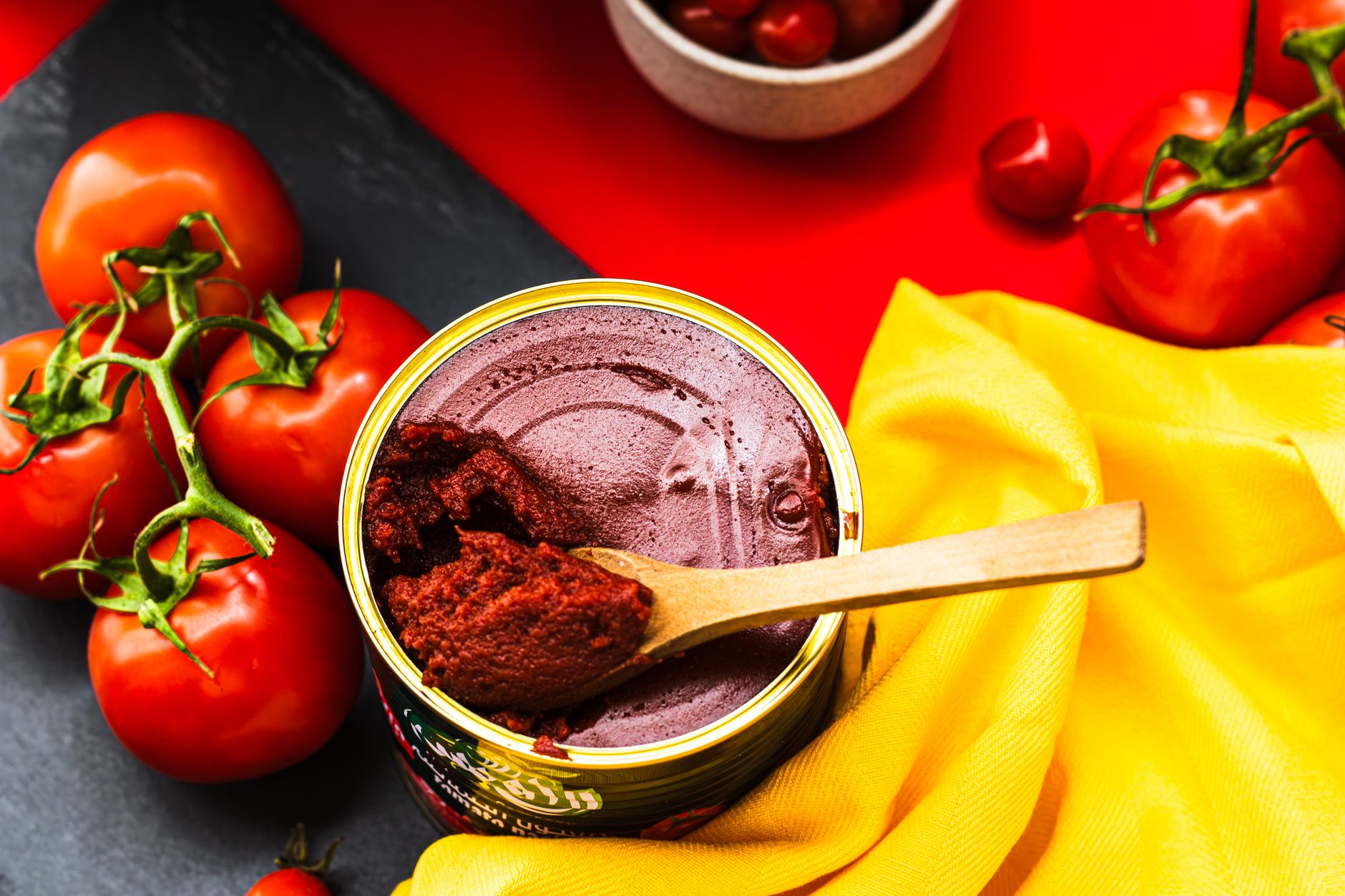
Tomato paste is a staple in many kitchens, known for its concentrated tomato flavor and thick consistency. However, there are times when you may find yourself without it or need an alternative due to dietary restrictions or preferences. Understanding what can be used in place of tomato paste can broaden your culinary skills and enhance your dishes.
In this article, we will explore several substitutes for tomato paste, including their flavor profiles, appropriate usage, and suggested ratios. By the end, you’ll have plenty of options ready for your next recipe, whether you’re making pasta sauce, chili, or other classic dishes.
What Can I Use in Place of Tomato Paste?
When looking for substitutes for tomato paste, consider the following options:
- Tomato Sauce
- Fresh Tomatoes
- Canned Tomatoes
- Sun-Dried Tomatoes
- Ketchup
- Red Pepper Paste
- Homemade Tomato Paste
1. Tomato Sauce
Tomato sauce is an excellent substitute for tomato paste, providing a rich tomato flavor. However, it’s more liquid than paste, so adjustments in quantity and cooking time are necessary.
How to Substitute
When substituting tomato sauce for tomato paste, use a 2:1 ratio. For example, if your recipe calls for 1 tablespoon of tomato paste, use 2 tablespoons of tomato sauce. To compensate for the extra liquid, consider cooking the sauce a bit longer to reduce excess moisture.
2. Fresh Tomatoes
Fresh tomatoes can be a great replacement, particularly in recipes where their moisture won’t overwhelm the dish. They can add sweetness and texture.
How to Substitute
To use fresh tomatoes, peel and finely chop them. If you’re working with larger varieties, you may want to remove the seeds. Use a 5:1 ratio, meaning for every 1 tablespoon of tomato paste, use 5 tablespoons of chopped fresh tomatoes.
Note that using fresh tomatoes may introduce additional cooking time, especially if you want to concentrate their flavor. Consider simmering them longer to achieve a thicker consistency.
3. Canned Tomatoes
Canned tomatoes, including diced and crushed varieties, can also be effective substitutes. These options retain much of the concentrated flavor found in tomato paste but will require some adjustment due to their added liquid content.
How to Substitute
Use a 2:1 ratio of canned tomatoes to tomato paste. When using crushed tomatoes, simply replace each tablespoon of tomato paste with 2 tablespoons of crushed tomatoes. For diced tomatoes, drain if necessary to reduce the moisture content. You may need to simmer them longer to adapt their consistency and reinforce their flavor.
4. Sun-Dried Tomatoes
Sun-dried tomatoes offer a robust flavor that can enhance many Italian and Mediterranean dishes. This option is especially good for recipes that benefit from the concentrated taste of tomatoes.
How to Substitute
When using sun-dried tomatoes, either finely chop them or rehydrate them in warm water. Use a 1:1 ratio for a more intense flavor, but if you want the dish to remain on the milder side, consider using a 1:2 ratio. Mix in a little water or olive oil to create a paste-like consistency.
5. Ketchup
Ketchup is another surprising option for substituting tomato paste. It contains sugar and vinegar, which may alter the final flavor of your dish, making it sweeter and tangier.
How to Substitute
Use ketchup sparingly; a 1:1 ratio can be effective, but you may want to reduce the quantity based on your taste preference. Since ketchup is sweeter, consider adjusting other seasonings to achieve balance in your dish.
6. Red Pepper Paste
Red pepper paste can bring a unique flavor profile to your dishes, particularly in Mediterranean and Middle Eastern cuisine. It’s generally spicier but can introduce a delicious red pepper flavor.
How to Substitute
For a flavorful option, use a 1:1 ratio of red pepper paste to tomato paste. If you’re sensitive to heat, adjust the amount accordingly to avoid overpowering your dish.
7. Homemade Tomato Paste
If you have the time, you can make your own tomato paste using fresh, diced tomatoes. This process concentrates the flavor similarly to store-bought products and allows you to control the ingredients.
How to Make Tomato Paste
- Start by washing and coring 6 tomatoes.
- Cut them into quarters and remove the seeds if desired.
- Simmer in a pot over medium heat for about 30 minutes, stirring occasionally.
- Once soft, blend until smooth.
- Continue to reduce over low heat until thick and concentrated, about 45–60 minutes.
- Let cool and store in an airtight container in the fridge for up to one week.
Common Tips and Considerations
Here are some important things to keep in mind when substituting tomato paste:
- Flavor Profile: Be aware of how each alternative will change the flavor of your dish. For instance, ketchup will add sweetness, while red pepper paste will add heat.
- Consistency: The liquid content varies significantly among substitutes. Adjust cooking times or reduce liquid to ensure the right texture.
- Seasoning Adjustments: Taste as you go. You may need to modify seasonings to account for the flavor changes from your substitute.
Storage and Shelf Life of Tomato Substitutes
Understanding how to store your tomato substitutes can help you maximize their use:
Tomato Sauce, Canned Tomatoes, and Ketchup
These can generally be stored in airtight containers in the fridge for about one week. Canned tomatoes and ketchup often have a longer shelf life, lasting for several months when kept sealed.
Fresh Tomatoes
Fresh tomatoes should be used within a few days of cutting or chopping. Store them in the fridge but allow them to come to room temperature before use for the best texture.
Sun-Dried Tomatoes
If packed in oil, they can last several months in the fridge. Unpacked may last for a month in a cool, dark place.
Conclusion
Having a wealth of substitutes for tomato paste can help you be more flexible and creative in the kitchen. Whether you choose tomato sauce, fresh tomatoes, or any of the alternatives, you can adjust your dishes to fit your requirements and taste preferences.
Feel free to explore these substitutions in various dishes, and don’t forget to experiment with flavors when adjusting ingredients. For a delicious tomato-based recipe, check out our tomato gravy recipe or learn more about pumpkin puree for additional culinary inspiration.