
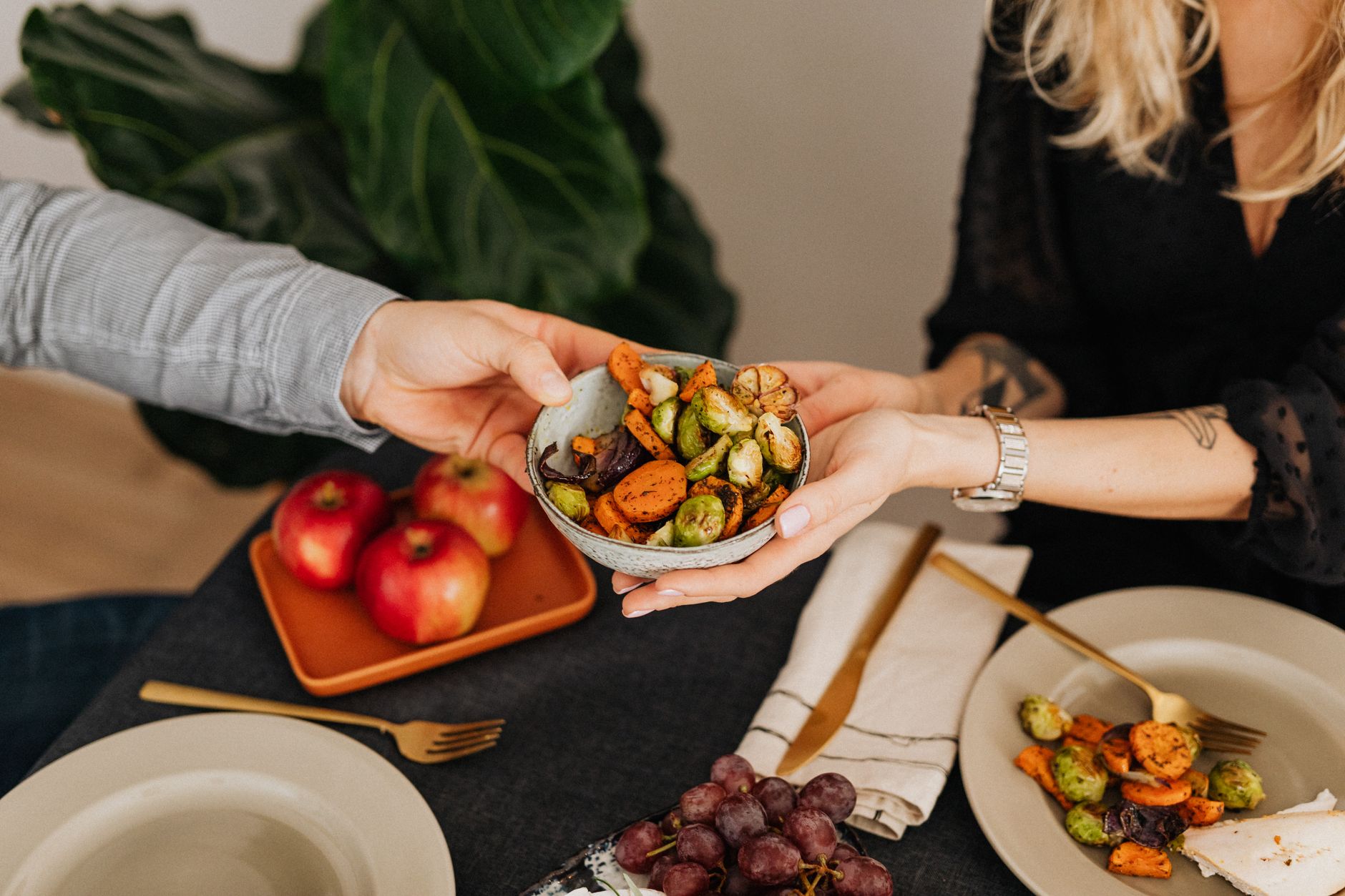
Brussels sprouts are nutrient-dense vegetables often associated with healthy eating, but what about their fiber content? One of the most significant benefits of fiber is its ability to aid digestion and promote a feeling of fullness. Understanding the fiber content in Brussels sprouts can help you incorporate them into your meals more effectively.
In this article, we will explore whether Brussels sprouts have fiber, the specific amounts by serving size, and the health benefits of including fiber-rich foods in your diet. Whether you’re aiming for better digestive health or just looking to add variety to your meals, knowing about Brussels sprouts is essential.
Does Brussels Sprouts Have Fiber?
Yes, Brussels sprouts are an excellent source of fiber. A 1-cup serving of cooked Brussels sprouts contains about 4 grams of fiber. This amount can contribute significantly to your daily fiber intake, making them a great addition to a balanced diet.
Nutritional Breakdown of Brussels Sprouts
To better understand the value of Brussels sprouts, let’s take a closer look at their nutritional makeup, including fiber content, essential vitamins, and minerals. Here’s a breakdown of nutrients found in a 1-cup (cooked) serving of Brussels sprouts:
| Nutrient | Amount |
|---|---|
| Calories | 56 |
| Protein | 4 grams |
| Total Fat | 0.8 grams |
| Carbohydrates | 11 grams |
| Fiber | 4 grams |
| Vitamin C | 75 mg (125% DV) |
| Vitamin K | 156 mcg (195% DV) |
| Folate | 61 mcg (15% DV) |
| Iron | 1.2 mg (7% DV) |
In addition to fiber, Brussels sprouts are rich in vitamins and minerals, making them a powerhouse of nutrients. Their high vitamin C content promotes immune health, while vitamin K is essential for blood clotting and bone health. Furthermore, the dietary fiber can play a role in maintaining a healthy gut.
Health Benefits of Fiber
Fiber is often cited as vital for maintaining good health. Here are some of the benefits associated with adequate fiber intake:
- Digestive Health: Fiber aids in the regularity of bowel movements and can help prevent constipation.
- Heart Health: High-fiber diets have been linked to lower cholesterol levels, reducing the risk of heart disease.
- Weight Management: Foods high in fiber tend to be more filling, which can aid in weight control.
- Blood Sugar Control: Fiber consumption can slow sugar absorption, helping to manage blood sugar levels.
Adding Brussels sprouts to a fiber-rich diet can support these health benefits while offering a range of culinary options.
Incorporating Brussels Sprouts into Your Diet
Brussels sprouts can be prepared in various ways, making them easy to include in different meals. Here are some methods and recipes to help you utilize this nutritious vegetable:
1. Roasted Brussels Sprouts
Roasting Brussels sprouts enhances their natural sweetness and creates a pleasant caramelized exterior. Here’s a quick method:
- Preheat the oven to 400°F (200°C).
- Trim the ends of the Brussels sprouts and cut them in half.
- Toss them with olive oil, salt, and pepper to taste.
- Spread them on a baking sheet in a single layer.
- Roast for 20-25 minutes, or until golden brown and tender.
Enjoy them as a side dish or incorporated into a grain bowl.
2. Brussels Sprout Salad
A Brussels sprout salad can be a refreshing option. Shredding the sprouts raw offers a different texture and flavor profile:
- Using a food processor or a sharp knife, thinly slice Brussels sprouts.
- Mix with shredded carrots, walnuts, and cranberries.
- Dress with a vinaigrette made from olive oil, lemon juice, honey, salt, and pepper.
3. Stir-Fried Brussels Sprouts
Stir-frying is a quick and healthy cooking technique that retains the nutrients of Brussels sprouts:
- Heat a tablespoon of oil in a skillet over medium heat.
- Add sliced Brussels sprouts and other vegetables like bell peppers or carrots.
- Stir-fry for about 5-7 minutes until the sprouts are tender yet crisp.
Stir-fried Brussels sprouts can be served with rice or as an accompaniment to protein sources.
Common Mistakes When Cooking Brussels Sprouts
When preparing Brussels sprouts, some common mistakes can affect the flavor and texture of the dish:
- Overcooking: This can lead to a mushy texture and an unpleasant sulfuric smell. It’s best to cook them until just tender.
- Neglecting to Season: Brussels sprouts benefit from seasoning. Ensure to season them well with salt, pepper, and additional herbs or spices.
- Not Trimming Properly: Always trim the stems and remove any wilted leaves to enhance their taste.
Storage and Reheating of Brussels Sprouts
To maintain the freshness and quality of Brussels sprouts, it’s crucial to store them properly:
- Fresh Brussels Sprouts: Store them in the refrigerator, unwashed, in a perforated bag. They can last up to a week.
- Cooked Brussels Sprouts: Store leftovers in an airtight container in the fridge for up to 3 days.
- Reheating: For the best texture, reheat cooked Brussels sprouts in the oven or on the stovetop instead of the microwave to avoid sogginess.
Alternatives to Brussels Sprouts for Fiber
If you are looking to diversify your fiber sources, there are several alternatives to Brussels sprouts that also provide similar fiber content:
- Kale: Another cruciferous vegetable, kale is high in fiber and can be used in salads, smoothies, or cooked dishes.
- Broccoli: Rich in fiber and nutrients, broccoli can be steamed, roasted, or added to stir-fries.
- Cauliflower: Offers versatility in dishes and also delivers a good fiber content, making it great for rice substitutes or as a mashed alternative.
Meal Planning with Brussels Sprouts
When incorporating Brussels sprouts into your meal planning, consider their versatility and nutritional benefits:
- Breakfast: Add roasted Brussels sprouts to omelets or breakfast burritos for a nutritious start.
- Lunch: Include Brussels sprouts in salads or as garnishes on sandwiches for added crunch and fiber.
- Dinner: Pair Brussels sprouts with protein sources such as chicken, fish, or legumes for a well-rounded meal.
Conclusion
Incorporating Brussels sprouts into your diet is an excellent way to boost fiber intake while enjoying a delicious and versatile vegetable. With around 4 grams of fiber per serving, these nutrient-dense sprouts offer significant health benefits. Whether you choose to roast, stir-fry, or include them in salads, Brussels sprouts can enhance your meals and support your overall health.
Explore more about the culinary uses of Brussels sprouts with our shaved Brussels sprouts recipe or learn about fiber in other vegetables like kale at does kale have fiber.