
Nothing beats the aroma of freshly cooked tomato sauce wafting through your kitchen, transporting you straight to an Italian trattoria. This Fresh Tomato Sauce Recipe is not only easy to whip up, but it also celebrates the rich, vibrant flavors of ripe tomatoes, making it a must-try for any home cook.
With its bright acidity and natural sweetness, this sauce pairs perfectly with pasta, pizza, or even as a base for your favorite dishes. The best part? You can customize it with your own herbs and spices, making it as unique as you are.
Why You’ll Love This Recipe
This recipe is a delightful way to showcase fresh ingredients while keeping things simple.
- Quick to prepare, perfect for busy weeknights.
- Versatile base for pasta, pizza, or dipping.
- Uses fresh, seasonal tomatoes for unbeatable flavor.
- Healthy and made with wholesome ingredients.
- Customizable with your favorite herbs and spices.
My Experience Making This Recipe
Every time I make this sauce, I feel like a true Italian chef, even if my kitchen is just a tiny apartment space. The vibrant color of the tomatoes and the aroma of garlic sizzling in olive oil is simply irresistible.
Friends and family always rave about it, asking for the recipe. I love how a simple batch can turn an ordinary meal into something special.
Recipe Overview
- Recipe Name: Fresh Tomato Sauce
- Servings: 4
- Prep Time: 10 minutes
- Cook Time: 30 minutes
- Total Time: 40 minutes
- Course: Sauce
- Cuisine: Italian
- Calories per Serving: 120
Equipment You Will Need
- Large pot or saucepan
- Wooden spoon
- Knife
- Cutting board
- Can opener (if using canned tomatoes)
Ingredients for Fresh Tomato Sauce
For the Sauce
- 2 pounds ripe tomatoes, diced
- 1/4 cup extra virgin olive oil
- 1 medium onion, chopped
- 4 cloves garlic, minced
- 1 teaspoon salt
- 1/2 teaspoon black pepper
- 1 teaspoon dried oregano
- 1 tablespoon fresh basil, chopped (or 1 teaspoon dried)
Ingredient Notes and Substitutions
- Ripe tomatoes: They provide the best flavor and sweetness. Substitute with canned tomatoes if fresh are unavailable.
- Olive oil: It adds richness and depth. You can use any vegetable oil, but it won’t have the same flavor.
- Onion: It brings sweetness and complexity. Shallots or leeks can be used as alternatives.
- Garlic: Essential for depth of flavor. Garlic powder can be a substitute, but fresh is best.
- Fresh herbs: They enhance the sauce’s aroma. Dried herbs can be used, but adjust the quantity to taste.
How to Make Fresh Tomato Sauce
Step 1: Prepare the Ingredients
Start by dicing the fresh tomatoes and chopping the onion. This ensures even cooking and flavor distribution.
Step 2: Heat the Olive Oil
In a large pot, heat the olive oil over medium heat. This helps to release the oil’s flavor and prepare it for cooking the vegetables.
Step 3: Sauté the Onion
Add the chopped onion to the pot. Sauté for about 5 minutes until the onion is translucent, which adds sweetness to the sauce.
Step 4: Add the Garlic
Stir in the minced garlic and cook for another minute. Garlic cooks quickly and can burn, so keep an eye on it.
Step 5: Add the Tomatoes
Now, add the diced tomatoes to the pot. Stir well, allowing the tomatoes to cook down and release their juices.
Step 6: Season the Sauce
Sprinkle in the salt, black pepper, oregano, and basil. These spices enhance the sauce’s flavor profile and balance the acidity of the tomatoes.
Step 7: Simmer the Sauce
Reduce the heat to low and let the sauce simmer for 20-25 minutes. This allows the flavors to meld and the sauce to thicken.
Step 8: Adjust Seasoning and Serve
Before serving, taste the sauce and adjust the seasoning as needed. A final sprinkle of fresh herbs can elevate the dish even more.
Pro Tip: Always taste and adjust seasoning at the end for the best flavor.
Tips for the Best Fresh Tomato Sauce
- Use the ripest tomatoes you can find for maximum flavor.
- Don’t rush the simmering process; patience allows flavors to develop.
- For a smoother sauce, blend it with an immersion blender after simmering.
- Experiment with different herbs to find your perfect combination.
- Make a double batch and freeze for easy meals later.
Common Mistakes to Avoid
- Using unripe tomatoes can result in a bland sauce. Always pick ripe, flavorful ones.
- Cooking garlic too long can make it bitter. Add it after the onions are translucent.
- Not simmering long enough means flavors won’t meld. Give it enough time for a rich taste.
- Over-seasoning at the start can lead to imbalance. Adjust at the end for the best results.
Serving Suggestions
This sauce is incredibly versatile, making it an excellent addition to various dishes.
- Serve it over your favorite pasta.
- Use it as a base for homemade pizza.
- Pair it with grilled vegetables for a fresh side.
- Serve as a dipping sauce for breadsticks or garlic bread.
Variations to Try
- Add red pepper flakes for a spicy kick.
- Incorporate roasted vegetables for extra depth.
- Stir in cream for a creamy tomato sauce.
- Mix in some olives for a Mediterranean touch.
- Use different herbs like thyme or parsley for variety.
Dietary Adaptations
- Gluten-free: Naturally gluten-free as is, perfect for everyone.
- Dairy-free: No dairy is used; enjoy with confidence.
- Vegan/Vegetarian: Completely plant-based, suitable for all diets.
- Low-carb/Keto: Low in carbohydrates, a great option for keto diets.
Storage and Reheating
Refrigerator
Store any leftovers in an airtight container in the fridge.
- It will last up to one week.
- Reheat on the stovetop for the best results.
Freezer
This sauce freezes beautifully for future meals.
- Store in freezer-safe containers for up to three months.
- Label with date for easy tracking.
Reheating
When ready to use, thaw the sauce overnight in the fridge.
- Reheat on low heat, stirring occasionally.
- Add a splash of water if it thickens too much.
Nutrition Information
| Nutrient | Amount |
|---|---|
| Calories | 120 |
| Total Fat | 10g |
| Saturated Fat | 1.5g |
| Carbohydrates | 9g |
| Fiber | 2g |
| Sugar | 4g |
| Protein | 2g |
| Sodium | 200mg |
| Cholesterol | 0mg |
This nutritional information is an estimate and can vary based on ingredients used.
Frequently Asked Questions
Can I use canned tomatoes instead of fresh?
Yes, canned tomatoes are a great alternative when fresh ones are not in season. Just choose high-quality canned tomatoes for the best flavor.
Can I make this sauce ahead of time?
Absolutely! The flavors actually improve if you let it sit for a day. Store it in the fridge or freezer for later use.
How do I store leftover sauce?
Store in an airtight container in the fridge for up to a week, or freeze for up to three months. Just make sure to label it!
Why is my sauce watery?
If your sauce turns out watery, it may need more simmering time. Let it cook longer to allow excess moisture to evaporate.
Can I add meat to this sauce?
Yes, ground beef or sausage can be added for a heartier sauce. Brown the meat before adding the vegetables.
Final Thoughts
This Fresh Tomato Sauce Recipe is a simple yet flavorful addition to your cooking repertoire. Embrace the fresh flavors and enjoy the satisfaction of making something delicious from scratch.
Don’t hesitate to explore more ideas, like Pomodoro Sauce Recipe or Tomato Gravy Recipe, to continue your culinary adventure!
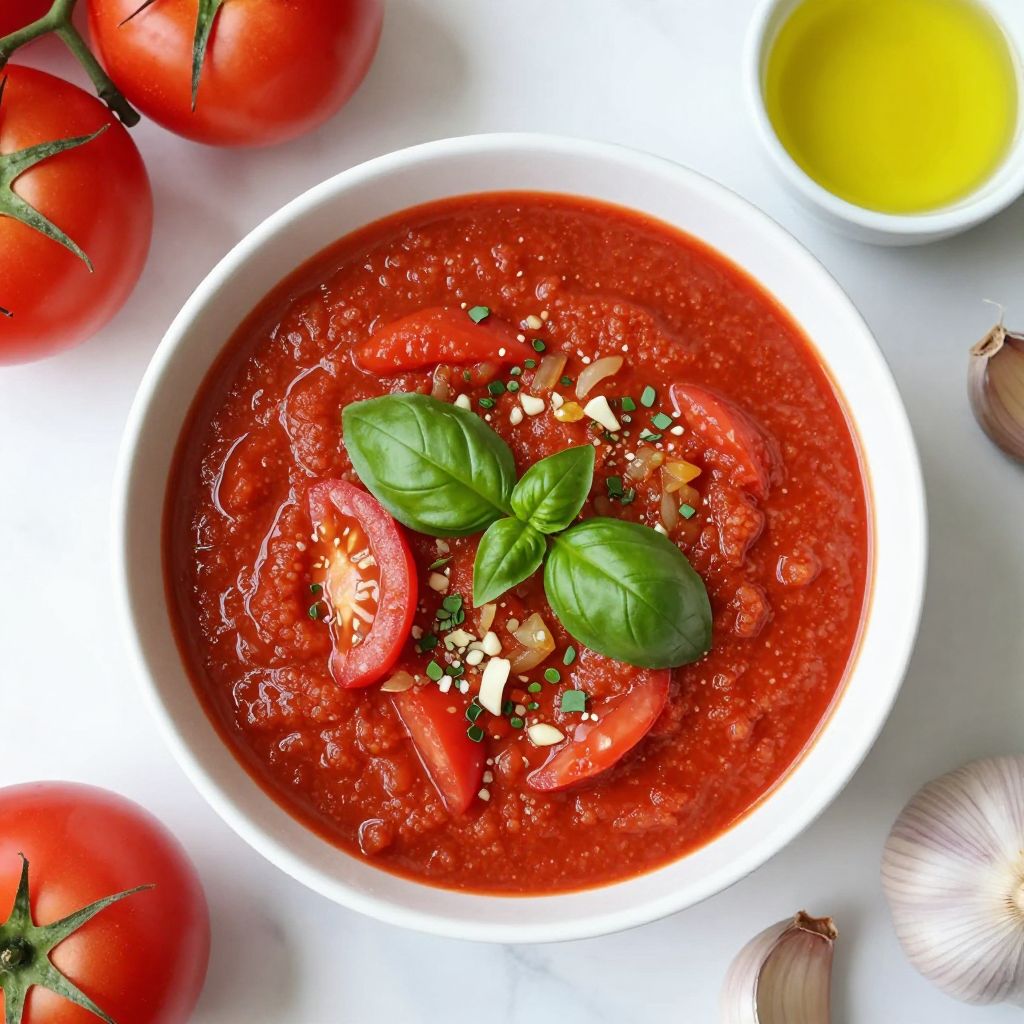
Fresh Tomato Sauce
Ingredients
Equipment
Method
- Dice the fresh tomatoes and chop the onion.
- In a large pot, heat the olive oil over medium heat.
- Add the chopped onion to the pot and sauté for about 5 minutes until the onion is translucent.
- Stir in the minced garlic and cook for another minute.
- Add the diced tomatoes to the pot and stir well.
- Sprinkle in the salt, black pepper, oregano, and basil.
- Reduce the heat to low and let the sauce simmer for 20-25 minutes.
- Taste the sauce and adjust the seasoning as needed before serving.