
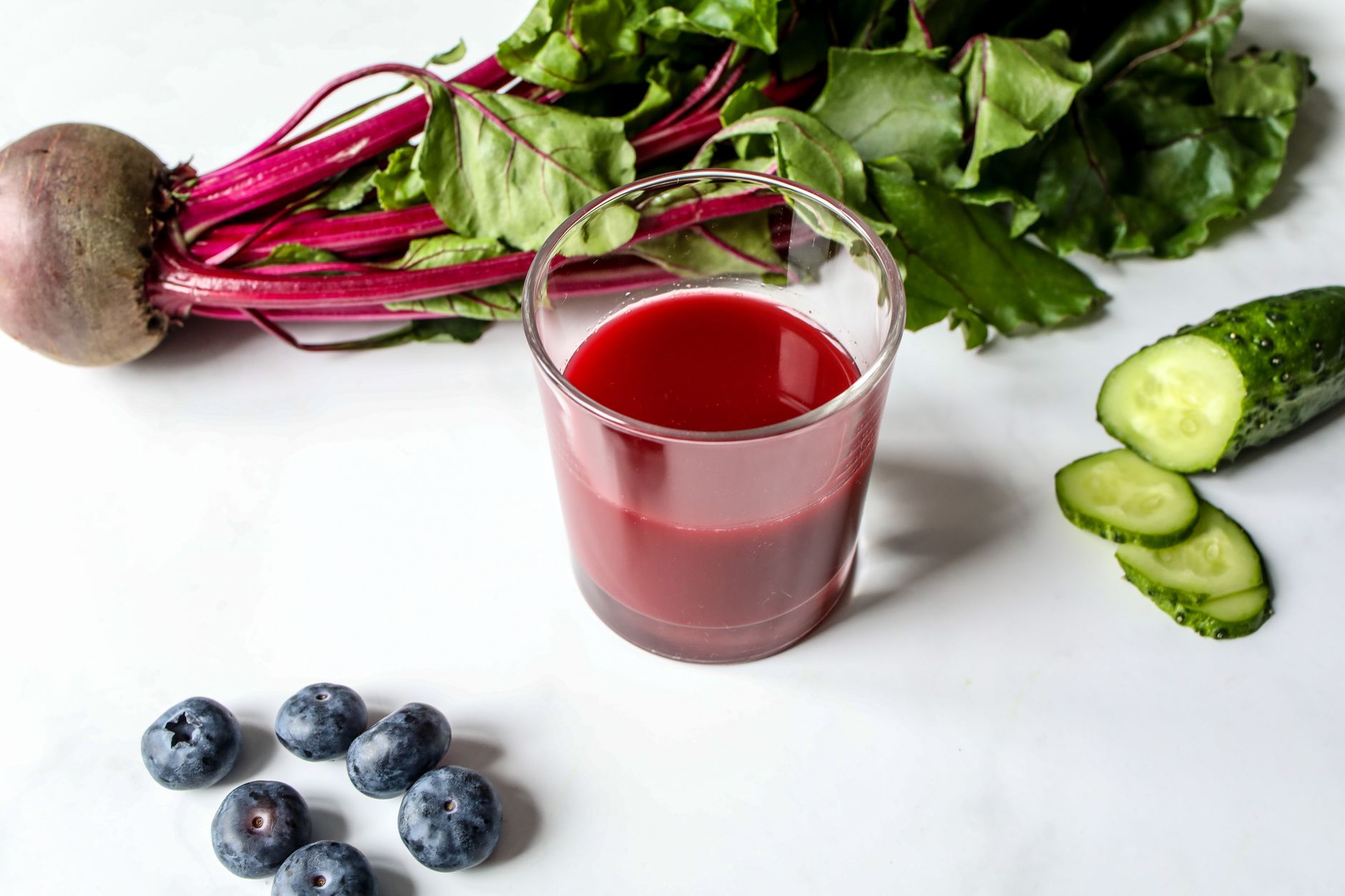
Beet juice is enjoyed for its vibrant color and numerous health benefits, but many people wonder whether it can turn urine red. This phenomenon, known as beeturia, occurs in some individuals after they consume beet juice or beets. Understanding why this happens and how it relates to diet is important for anyone curious about incorporating beets into their meals.
This article will explore the science behind beeturia, its implications, and provide insights on beet juice’s culinary versatility, health benefits, and tips on using beets in your kitchen.
Does Beet Juice Turn Urine Red?
Yes, beet juice can turn urine red in some individuals, a condition referred to as beeturia. This occurs due to anthocyanins and betalains present in beets, pigments that can be excreted in urine. Factors such as individual metabolism, the amount of beets consumed, and hydration levels can affect whether or not you experience this effect.
Understanding Beeturia
Beeturia is the term used to describe the reddish or pink discoloration of urine that can occur after consuming beet juice or beets. It’s relatively harmless, and not everyone experiences it. Estimates suggest that 10% to 14% of people may notice changes in urine coloration after eating beets.
The Science Behind It
The pigments responsible for this vibrant color include:
- Betacyanins: These are responsible for the red and purple hues.
- Betaxanthins: These provide a yellowish color and are less commonly associated with urine discoloration.
When the body metabolizes beets, these pigments may not be completely broken down, resulting in their presence in urine.
Factors Influencing Beeturia
Several factors can influence whether or not someone will experience beeturia:
- Genetics: Genetic variations can affect how individuals metabolize and excrete beet pigments.
- pH Levels: The acidity or alkalinity of urine can affect pigment stability. More acidic urine may lead to a higher likelihood of discoloration.
- Hydration: Insufficient hydration might concentrate pigments, increasing the chances of noticeable discoloration.
- Amount of Beets Consumed: Larger amounts of beet juice or beets can increase the likelihood of experiencing beeturia.
Is Beeturia Harmful?
Beeturia is generally harmless and poses no health risk. However, it can sometimes cause concern. If you experience red urine and think it may not be from beets, it’s advisable to consult a healthcare professional to rule out other causes such as blood in urine or certain medications.
Culinary Uses of Beet Juice
Beet juice is not only a vibrant ingredient but also offers numerous culinary applications. It can be used in various dishes and drinks, enhancing flavor and visual appeal.
In Drinks
Beet juice has become increasingly popular as an ingredient in smoothies, cocktails, and other beverages. Its sweet, earthy flavor pairs well with various fruits and vegetables.
- Beet Smoothie: Combine beet juice with fruits like banana and berries, adding yogurt for creaminess.
- Beet Cocktail: Mix beet juice with spirits like vodka or gin, lemon juice, and a splash of soda for a refreshing drink.
In Salads
Beet juice can be used as a dressing or as part of a marinade. It adds color and flavor to salads:
- Roasted Beet Salad: Combine roasted beets with feta cheese, walnuts, and greens, drizzled with a beet juice vinaigrette.
In Soups
Soups can also benefit from the vibrant color and flavor of beet juice:
- Borscht: This classic Eastern European soup incorporates beets as a primary ingredient, providing a deep red color and earthy taste.
Health Benefits of Beets
In addition to their unique color, beets provide various health benefits that make them a fantastic addition to your diet.
Rich in Nutrients
Beets are packed with essential vitamins and minerals, including:
- Folate: Important for DNA synthesis and repair.
- Vitamin C: An antioxidant that supports the immune system.
- Potassium: Helps regulate blood pressure and supports heart health.
- Manganese: Plays a role in metabolism and bone health.
Boosting Athletic Performance
Beet juice has gained popularity among athletes for its potential to enhance performance. The nitrates in beets can improve blood flow and oxygen delivery to muscles:
- Increased Stamina: Studies suggest that beet juice can improve endurance during physical activity.
- Faster Recovery: The antioxidants in beets may help reduce inflammation and muscle soreness post-exercise.
Supporting Heart Health
The consumption of beets may contribute positively to heart health:
- Lower Blood Pressure: Nitrates in beets can help relax blood vessels, leading to lower blood pressure.
- Improved Cholesterol Levels: Beets may help reduce LDL cholesterol and increase HDL cholesterol.
How to Incorporate Beet Juice Into Your Diet
If you’re curious about adding beet juice to your meals, there are plenty of easy ways to include it in your diet. Here are some practical tips:
Choose Fresh Beets or Store-Bought Juice
While fresh beets can be juiced at home, numerous brands offer pre-prepared beet juice. When selecting store-bought juices, opt for those without added sugars or preservatives to maximize health benefits.
Juicing Fresh Beets
To create fresh beet juice, follow these steps:
- Wash and peel the beets thoroughly to remove any dirt.
- Cut them into smaller pieces to fit in your juicer.
- Juice the beets, and strain through a fine mesh sieve or cheesecloth if a smoother texture is desired.
- Mix the juice with other fruits or vegetables, if desired, to enhance flavor.
Storage and Shelf Life
Fresh beet juice should be consumed within 24 to 48 hours for optimal freshness and nutrient retention. Store it in an airtight container in the refrigerator. For those interested in longer storage options, consider freezing beet juice in ice cube trays for later use.
Possible Substitutions and Variations
When cooking with beets, there are several substitutions for various dishes:
Beet Juice Variations
- Pomegranate Juice: A similar color and flavor profile, great for drinks and dressings.
- Carrot Juice: Offers a sweeter flavor and can be combined with beet juice for blended drinks.
Whole Beet Substitutions
- Red Cabbage: Provides color and crunch, although with a different flavor.
- Sweet Potatoes: Offers sweetness and creaminess in purees or soups but lacks beet’s distinctive color.
Common Mistakes and Troubleshooting
When working with beets and beet juice, here are some common mistakes to avoid:
1. Overcooking Beets
Overcooking can cause beets to lose flavor and nutrients. Steam or roast them until tender but still firm for the best texture.
2. Ignoring Color Staining
Beets can stain surfaces and clothing. Use gloves when handling fresh beets and wipe up spills promptly to avoid permanent stains.
3. Pairing Poorly
Beets have a sweet and earthy flavor. Avoid pairing with overly strong flavors that can overshadow their natural taste. Opt for ingredients like citrus, nuts, and mild cheeses instead.
Serving Suggestions
Beet juice can be creatively served in various settings:
- As Part of a Brunch: Serve beet juice alongside other fresh juices and healthy breakfast options.
- In Fancy Cocktails: Use beet juice to create visually striking and delicious cocktails or mocktails.
- As a Colorful Addition: Drizzle beet juice sauces over meat or fish dishes for added flavor and stunning presentation.
Make-Ahead Guidance
To save time during meal preparation, consider the following make-ahead tips:
1. Pre-Cook Beets
Cook and cube beets in advance; they can be stored in the refrigerator for up to a week. This makes it easy to add them to salads or side dishes as needed.
2. Pre-Made Dressings
Create beet juice-based dressings and store them in jars in the refrigerator for a quick flavor boost when preparing meals.
Final Thoughts
Beet juice not only adds color to your dishes but also comes with numerous health benefits. While it can turn urine red for some individuals, this harmless occurrence should not deter anyone from enjoying the versatility of beets in their diet. Embrace the vibrant hues and unique flavors of beet juice and beets for a delicious and nutritious culinary experience.
For more delightful recipes, check out Harvard Beets Recipe or explore What Pomegranate Juice Do For You.