
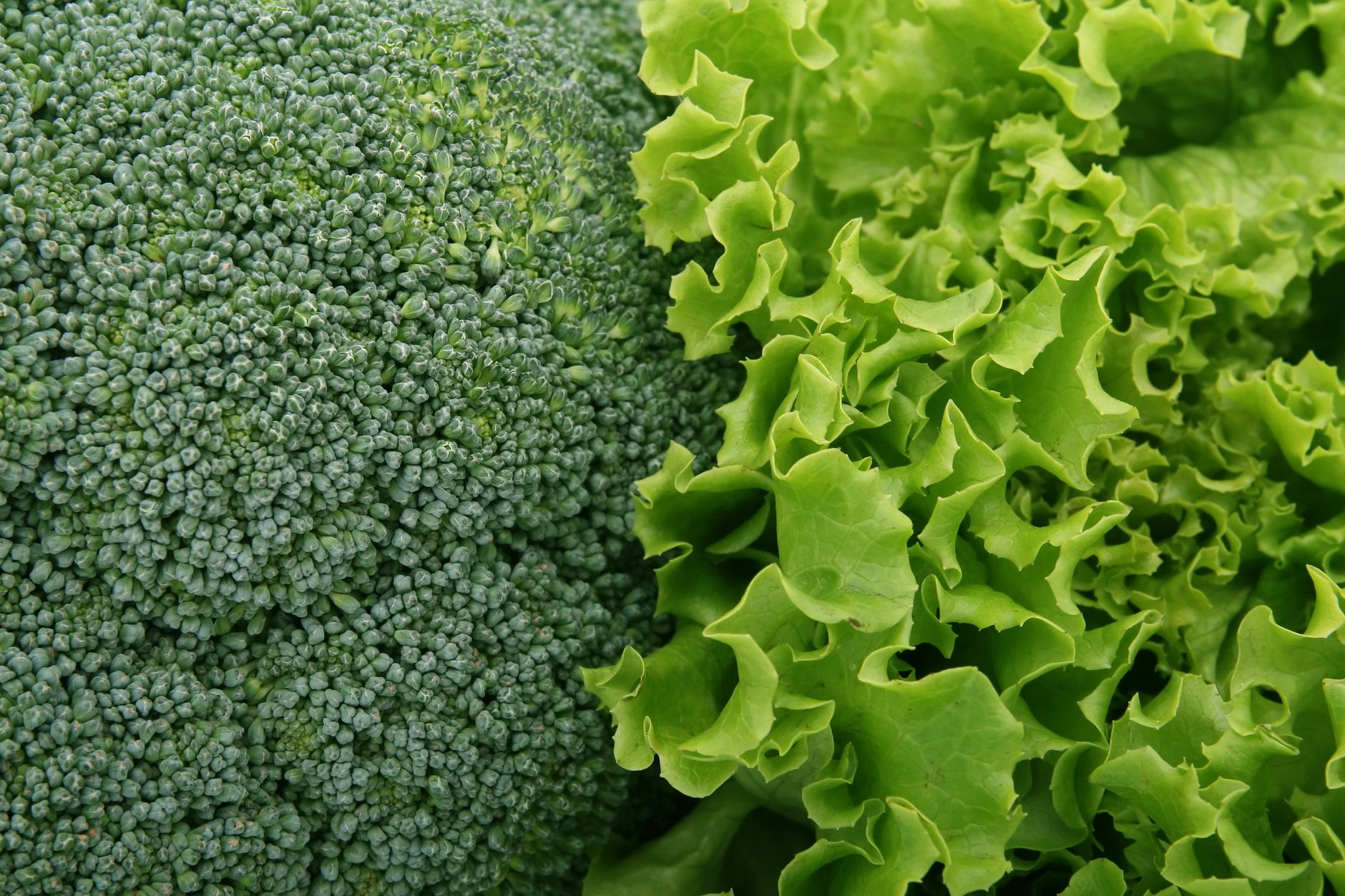
When considering ways to manage hormonal health, diet plays a crucial role. Certain foods can affect testosterone levels, which can impact everything from energy to mood. Understanding the foods that may lower testosterone can help you make informed dietary decisions.
This guide addresses foods known to lower testosterone, helping you navigate your choices more effectively. We will explore the impact of these foods and provide suggestions to create balanced meals while considering your overall health.
What Foods Lower Testosterone?
Foods that lower testosterone are often those that contain certain hormones, phytoestrogens, or unhealthy fats. Such foods can interfere with hormone production, leading to hormonal imbalance. Common categories include processed foods, soy products, certain kinds of dairy, and trans fats. However, it’s essential to examine these options within the context of an overall balanced diet.
Understanding Testosterone and Its Role
Testosterone is a vital hormone for both men and women, aiding in muscle growth, fat distribution, and maintaining libido. Low testosterone levels can lead to various health concerns, including fatigue, depression, and decreased muscle mass. Lifestyle choices—including diet—can significantly impact testosterone levels.
Foods Known to Lower Testosterone
Here is a detailed list of foods that are commonly associated with lowered testosterone levels. Understanding these foods can guide your dietary adjustments.
- Soy Products: These include tofu, soy milk, and edamame. They contain phytoestrogens, which can mimic estrogen and potentially lower testosterone levels.
- Flaxseeds: While they have many health benefits, flaxseeds contain lignans, which can lead to reduced testosterone production when consumed in large amounts.
- Mint: Both spearmint and peppermint may have anti-androgen properties, potentially inhibiting testosterone production.
- Processed Foods: Items often high in sugar and unhealthy fats can lead to hormonal imbalance and disruptions in testosterone levels.
- Alcohol: Excessive consumption can negatively affect testosterone levels, especially when it leads to weight gain and liver health issues.
- Vegetable Oils: Certain oils, particularly soybean and corn oils, may contribute to low testosterone levels because they contain high levels of omega-6 fatty acids.
- Dairy Products: Some studies suggest that dairy, particularly full-fat varieties, might influence testosterone levels, partly due to hormones present in milk.
- Trans Fats: Found in many fried foods and baked goods, trans fats are detrimental to testosterone production and overall health.
- Nuts: While many nuts are healthy, some, like walnuts, may inhibit testosterone if consumed excessively.
- High-Sugar Foods: Sugary snacks and beverages can lead to spikes in insulin, negatively influencing testosterone levels.
Ingredients to Embrace for Hormonal Balance
While understanding which foods to avoid is vital, knowing what to include in your diet is equally important. Here are some foods that can support healthy testosterone levels:
- Lean Proteins: Chicken, turkey, and fish provide essential amino acids that aid hormone production.
- Green Leafy Vegetables: Spinach and kale are high in magnesium, a mineral linked to testosterone production.
- Avocado: Packed with healthy fats and vitamins, avocados can contribute to testosterone health.
- Eggs: Rich in protein and cholesterol, eggs are vital for testosterone production.
- Oysters: Known for their high zinc content, oysters can enhance testosterone levels when included in a balanced diet.
- Cruciferous Vegetables: Broccoli and cauliflower can help balance estrogen levels, assisting in testosterone management.
- Fruits: Bananas and pomegranates are not only nutritious but have also been linked to improved testosterone levels.
Meal Planning for Balanced Hormones
Incorporating foods that support testosterone levels is essential, especially if you are trying to lower foods that may adversely affect your hormones. Here are some meal planning strategies to help you maintain a balanced diet.
Sample Meal Plan
| Meal | Food Options |
|---|---|
| Breakfast | Scrambled eggs with spinach and avocado on whole-grain toast. |
| Lunch | Grilled chicken salad with mixed greens, nuts, and olive oil dressing. |
| Dinner | Salmon fillet with steamed broccoli and quinoa. |
| Snack | Sliced apple with almond butter or a handful of walnuts. |
Each of these meals emphasizes proteins, healthy fats, and vegetables while minimizing the foods that lower testosterone. Aim to integrate a variety of ingredients for a well-rounded intake.
Common Mistakes to Avoid
When addressing testosterone through dietary choices, it is crucial to avoid some common pitfalls. Here are some mistakes to watch out for:
- Relying solely on quick-fix solutions or fad diets can lead to nutritional deficiencies.
- Ignoring the effects of alcohol on hormone levels, particularly when consumed in excess.
- Pushing out healthy fats entirely in favor of low-fat diets, which can also affect testosterone production.
How to Transition Your Diet
Making dietary changes can be challenging but can lead to improved hormonal balance. Here are some tips for smoothly transitioning your diet:
- Start small by introducing one testosterone-supporting food into your meals each week.
- Gradually reduce the intake of processed and unhealthy fats while increasing whole food options.
- Experiment with new recipes that emphasize the ingredients associated with higher testosterone levels.
- Monitor your body’s response as you adjust your diet and make changes as needed.
Storage and Preparation Tips
Proper storage and preparation of your food can retain its nutritional benefits. Here are essential guidelines:
- Store fresh vegetables in a cool, dry place and use airtight containers to extend their shelf life.
- Cook proteins adequately using a meat thermometer to ensure they reach a safe internal temperature.
- Plan your meals around seasonal produce to ensure maximum freshness and flavor.
Reheating and Serving Suggestions
When reheating meals, avoid excessive reheating to retain nutrients. Here are some reheat and serve tips:
- Use the stovetop instead of the microwave when possible, as it provides a more even heat.
- Return grains like quinoa or rice to a simmering pot with a splash of water to rehydrate.
- Pair reheated proteins with fresh herbs or citrus for a flavor boost and added nutrients.
By managing your food intake and making informed decisions, you can minimize foods that detract from your testosterone levels. Lifestyle changes, including diet, exercise, and stress management, culminate in better hormonal balance.
The connection between food and hormone regulation is significant. While certain foods can diminish testosterone levels, others can enhance its production. Transitioning to meals that are balanced and nutrient-dense will contribute positively to your overall health.
Explore our resources for more information on integrating healthy foods into your lifestyle, such as the benefits of chia seeds or how to soak chia seeds properly. Taking steps today can lead to meaningful changes in your health tomorrow.