
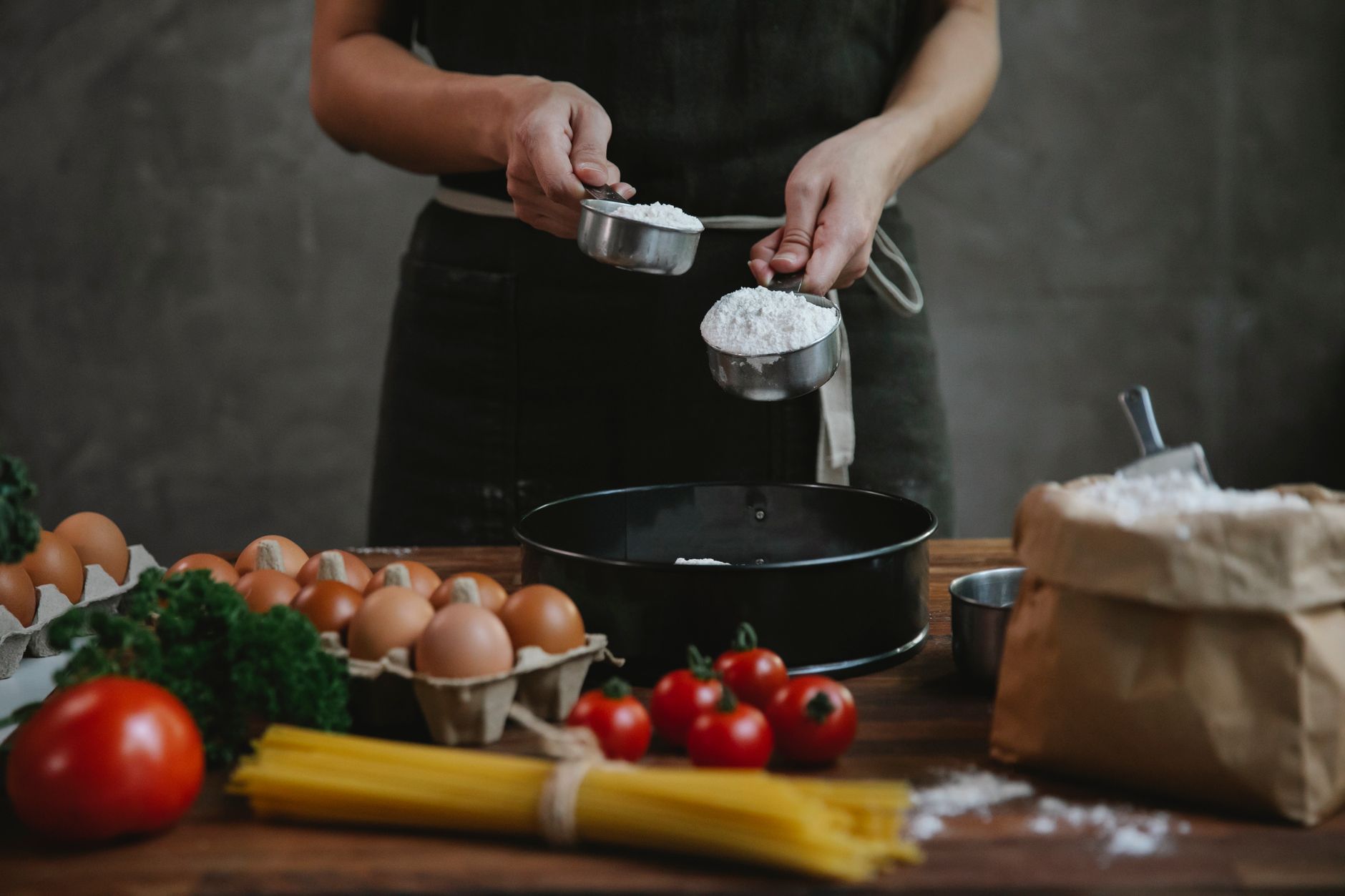
Understanding how dry pasta translates to cups is essential for cooking effectively. Whether you’re preparing a family meal or a dinner for friends, precise measurements can enhance your dishes significantly. This guide will delve into how many cups equal 8 ounces of dry pasta, providing you with tips on cooking, types of pasta, and storage methods.
Measuring dry pasta can seem like a tricky business, but this article clarifies the relationship between weight and volume. By the end, you’ll feel confident about how much dry pasta to use in your recipes, along with insights into flavor, texture, and cooking preferences.
How Many Cups is 8 Oz of Dry Pasta?
8 ounces of dry pasta generally translates to about 2 cups when measured in volume. However, this can vary slightly depending on the shape of the pasta. Fettuccine and spaghetti may yield a different volume than macaroni or penne. Always check the type and shape for the most accurate measurement.
Understanding Pasta Measurements
Pasta can be measured in both weight and volume, but it’s essential to understand the difference for accurate recipes. Here’s a breakdown:
- Weight: Usually measured in ounces or grams, more precise for recipes.
- Volume: Measured in cups, convenient for home cooks but can vary with different pasta shapes.
To get the best results, having a kitchen scale for weighing pasta can provide more accurate measurements. The general rule is that 8 ounces of dry pasta will yield 4-5 cups of cooked pasta, depending on the type and cooking time.
Pasta Shapes and Their Volume
Various pasta shapes will yield different cup measurements for the same 8 ounces. Here’s a closer look:
- Spaghetti: Approx. 2 cups when measured dry.
- Fettuccine: Roughly 2 cups as well when dry.
- Penne: Often 1.5 to 2 cups dry, depending on how tightly packed.
- Macaroni: Approximately 2-2.5 cups when measured dry.
Why Measurement Matters in Cooking
Accurate measurements in cooking, particularly with pasta, can significantly impact the dish’s final flavor and texture. Here’s how:
- Cooking Time: Different volumes may require varied cooking times. If you add too much pasta, it can result in undercooked noodles.
- Sauce-to-Pasta Ratio: Too much or too little pasta can throw off the intended balance with sauces.
- Texture: Overcrowding the pot with pasta can create a gummy texture instead of the desired al dente.
Techniques for Cooking Perfect Pasta
Taking time to cook pasta properly enhances the meal’s overall quality. Here are some techniques to ensure you achieve the perfect noodles every time:
Choosing the Right Pot
Use a large pot with ample water—at least 4-5 quarts for every pound of pasta. This prevents sticking and allows the noodles to cook evenly.
Salt the Water
Adding salt to the water before boiling (1-2 tablespoons per gallon) enhances the flavor of the pasta. It’s often said that water should taste like the sea!
Cooking Time and Testing
Follow the package directions for timing, but always taste a minute or two before the suggested time. You want the pasta to be al dente—cooked yet firm to the bite.
Drain and Do Not Rinse
Once cooked, drain the pasta in a colander but avoid rinsing. Rinsing removes the starch that helps the sauce adhere.
Pasta Varieties and Their Characteristics
Understanding different types of pasta can guide you in choosing the right one for your dish:
Long Pasta
Long strands such as spaghetti and linguine are great for light sauces, like olive oil or tomato-based sauces. They tend to cook more evenly due to their length.
Short Pasta
Penne or fusilli are excellent for heavier sauces or baked dishes like pasta casseroles. Their shapes hold sauces well.
Stuffed Pasta
Ravioli and tortellini provide a unique twist, filled with a variety of ingredients. Pair them with light sauces to avoid overshadowing their flavor.
Whole Wheat and Gluten-Free Options
Whole wheat pasta offers a nutty flavor with more fiber, while gluten-free pasta uses alternative flours. Ensure you check the cooking instructions as they may differ significantly from standard pasta.
Storing Dry and Cooked Pasta
Proper storage of pasta can extend its shelf life and maintain quality. Here’s how to manage both dry and cooked pasta effectively:
Storing Dry Pasta
- Keep in a cool, dry place, preferably in an airtight container to prevent moisture.
- Uncooked pasta can last up to two years if stored properly.
Storing Cooked Pasta
- Refrigerate within two hours of cooking. Store in an airtight container.
- Cooked pasta can be frozen for up to three months. Toss it lightly with olive oil before freezing to avoid clumping.
Common Mistakes in Pasta Preparation
A few common mistakes can lead to less than ideal pasta dishes. Here’s how to avoid them:
- Too Little Water: Ensure there’s enough space for the pasta to cook.
- Not Salting Water: Failing to salt can lead to bland pasta.
- Overcooking: Always check for al dente texture.
Flavor and Texture Guide
Different pasta shapes and cooking styles can produce varied flavors and textures. Here’s a brief overview:
- Oven-Baked Pasta: Casseroles and baked ziti bring a different texture with crispy edges.
- Pasta Salad: Cold pasta with dressings offers a refreshing option—ideal for summer meals.
- Soups: Small pasta like orzo or ditalini can enhance a hearty soup.
Flavorings from sauces are crucial to complementing the pasta type. Try pairing lighter sauces with long pasta and heftier sauces with short pasta shapes for the best results.
Final Tips for Cooking Pasta
Here are some additional recommendations to keep in mind as you cook pasta:
- Always use plenty of water and salt.
- Separate pasta shapes for each recipe—don’t substitute unless you’re familiar with the differences.
- Experiment with sauces and toppings to find your favorite combinations.
Frequently Asked Questions
How can I convert pounds to ounces for pasta?
One pound of pasta equals 16 ounces. To determine the volume in cups, simply use the ratio described above; about 2 cups for every 8 ounces.
Is it better to measure pasta by weight or volume?
Weighing pasta provides more accuracy, particularly for recipes that require precise measurements. Volume measurements can vary based on shapes.
What’s the best way to heat up leftover pasta?
Reheat on the stove with a splash of water or oil over medium heat, stirring continuously to heat evenly. It can also be reheated in the microwave, but ensure it’s covered to retain moisture.
Conclusion
Measuring dry pasta is a straightforward process once you know the conversion from ounces to cups. With 8 ounces of dry pasta fitting neatly into about 2 cups, you can now confidently prepare your favorite dishes. Explore various flavors, styles, and cooking techniques to enhance your meals.
For more delicious recipes and cooking tips, be sure to check out our pasta and peas recipe or learn about preparing orecchiette pasta!