
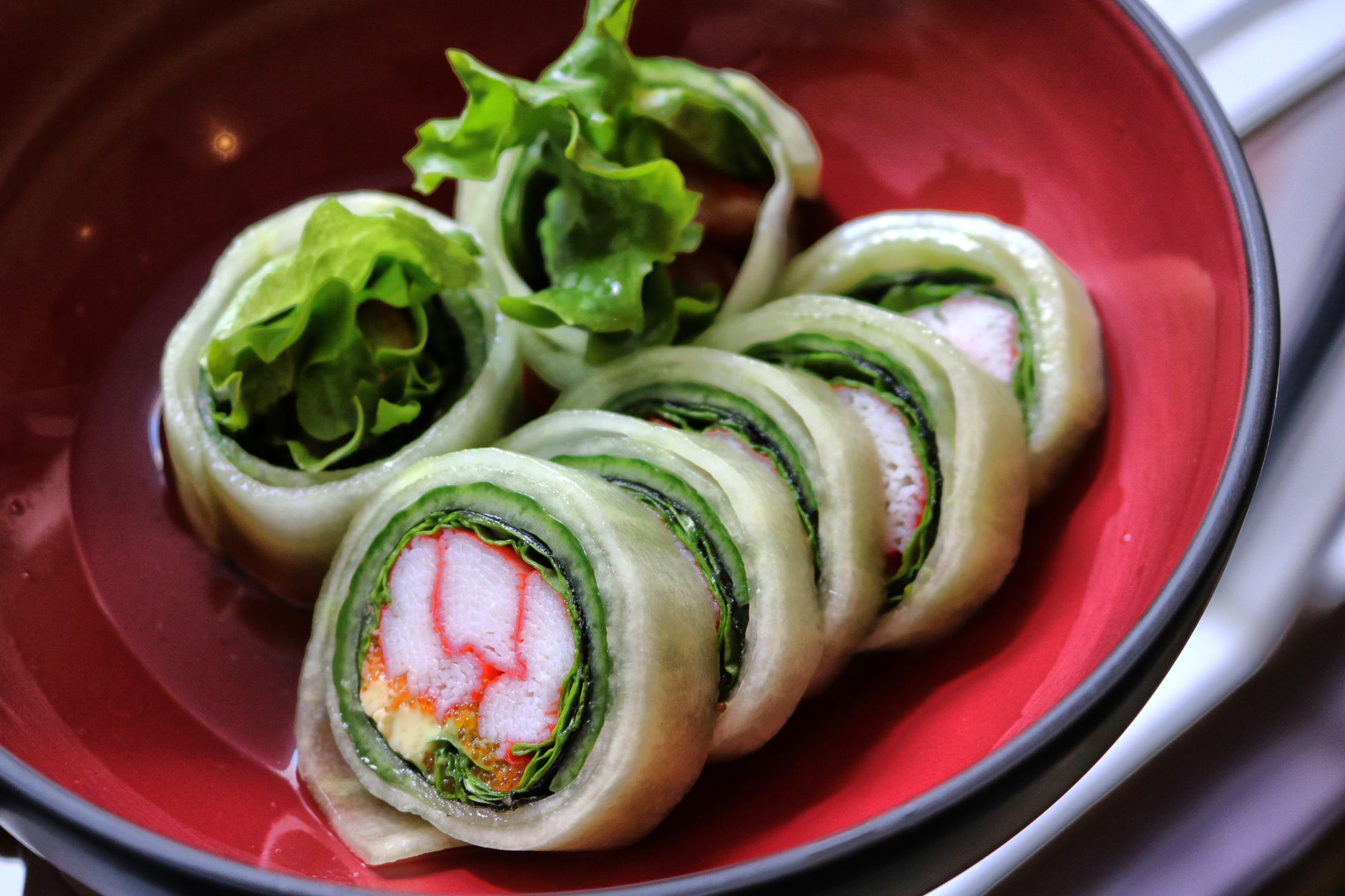
Kani is a type of imitation crab meat widely used in various cuisines, particularly in sushi and Asian dishes. Made primarily from fish, Kani offers a flavor profile that mimics real crab while being affordable and versatile. This ingredient is prized not just for its taste but also for its unique texture, making it a staple in salads, sushi rolls, and appetizers.
Understanding Kani, from its ingredients to how to serve it, allows home cooks and food enthusiasts to elevate their culinary creations without breaking the bank. This article explores its flavor, preparation methods, and serving suggestions, providing a comprehensive guide to incorporating Kani into your meals.
What Is Kani?
Kani is typically made from surimi, which is a processed fish product that imitates the texture and flavor of crab meat. Surimi usually consists of white-fleshed fish like pollock or hake, which is then flavored, shaped, and colored to resemble crab. This alternative is popular due to its lower cost compared to real crab while still delivering a pleasant seafood experience.
Ingredients Used in Kani
The primary ingredient in Kani is surimi. However, various other ingredients contribute to its flavor, appearance, and preservation:
- Surimi: This is the base ingredient, usually made from fish such as pollock or hake.
- Starch: Commonly added for texture, it helps bind the surimi and maintain its shape.
- Flavorings: Imitation crab often includes natural and artificial flavorings to mimic the sweet, briny taste of crab.
- Coloring Agents: To achieve the characteristic red or pink color of actual crab meat, food coloring is used.
- Preservatives: These are often included to prolong shelf life and maintain quality.
Flavor Profile of Kani
Kani has a mild, subtly sweet seafood flavor that closely resembles that of real crab. The texture is slightly chewy, mirroring the fibrous quality of crab meat. It is versatile and absorbs flavors well, allowing it to work beautifully in a variety of dishes, from sushi rolls to salads and sauces.
How to Use Kani
There are countless ways to incorporate Kani into your meals. Here are several popular uses:
- Sushi Rolls: Kani is a popular filling in many sushi rolls, combining well with avocado and cucumber for a refreshing flavor.
- Salads: Diced Kani can enhance seafood salads, adding a delicious texture that complements fresh vegetables and vinaigrettes.
- Appetizers: Kani is often used in crab cakes, dips, or as a topping for crackers and crostini.
- Pasta Dishes: Incorporating Kani into creamy pasta sauces can lend a seafood flair without the premium price of real crab.
- Sushi Bowls: When deconstructed, Kani can be a star ingredient in poke bowls or sushi rice bowls, enhancing both flavor and nutrition.
How to Serve Kani
Serving Kani is as simple as incorporating it into your preferred recipes with a few extra tips to enhance its flavor:
Serving Suggestions
- Chilled Dishes: Use Kani in chilled salads or seafood cocktails, pairing it with a zesty citrus dressing to brighten the seafood flavors.
- Cooked Dishes: Add Kani towards the end of cooking time in stir-fries or pasta to prevent overcooking, which can cause it to lose its texture.
- As a Snack: Serve sliced Kani on crackers topped with cream cheese or avocado for a quick and satisfying snack.
How to Prepare Kani
While Kani is typically sold pre-cooked and ready to eat, it can also be included in various cooked dishes. Here’s how to prepare it effectively:
- Thawing: If using frozen Kani, always thaw it overnight in the refrigerator or under cold running water before using.
- Dicing: For salads and sushi, cut Kani into bite-sized pieces, ensuring even distribution throughout the dish.
- Cooking: If you’re incorporating Kani into hot dishes, add it towards the end of the cooking process to keep its firm texture.
Practical Substitutions for Kani
If you can’t find Kani or wish to use a different ingredient, several alternatives can provide a similar texture and taste:
- Real Crab Meat: For a more authentic taste, fresh or canned crab can be used, keeping in mind it will be more expensive.
- Imitation Lobster (Lobster Krab): Like Kani, imitation lobster is another seafood alternative often made from surimi.
- Cooked Shrimp: Chopped shrimp can add a delicious seafood flavor and is excellent in salads or stir-fries.
- Chicken or Turkey: For non-seafood options, shredded cooked chicken can work in salads and pasta, though the flavor will differ significantly.
Common Mistakes to Avoid
When Preparing or Serving Kani
Though Kani is easy to work with, there are common pitfalls to watch out for:
- Overcooking: Since Kani is already cooked, adding it too early can lead to a rubbery texture.
- Neglecting Flavor: Always season Kani or incorporate it into flavorful dishes; it can be bland on its own.
- Not Thawing Properly: Letting it thaw in warm water instead of cold can affect its texture.
Storing Kani
Correct storage of Kani can help maintain its freshness and flavor:
- Unopened Packaging: Keep it in the refrigerator until the expiration date marked on the packaging.
- Opened Packaging: Once opened, consume Kani within 3-4 days to ensure quality.
- Freezing: Kani can be frozen, but it is best used within 1-2 months for optimal flavor and texture retention.
Nutritional Information of Kani
Kani is often perceived as a healthier seafood alternative. While specific nutritional values can vary by brand, here are some general attributes:
- Low in Calories: Kani is typically low in calories, making it suitable for those watching their dietary intake.
- Source of Protein: It provides a solid amount of protein, essential for muscle and tissue health.
- Omega-3 Fatty Acids: Depending on the fish used, Kani can be a source of healthy omega-3 fatty acids.
Exploring Kani in Different Cuisines
Kani is a versatile ingredient found in various global cuisines, particularly Asian. Here’s how it fits in:
- Japanese Cuisine: Kani is essential in sushi, particularly in California rolls, where it mimics real crab and provides a delightful crunch.
- Korean Cuisine: It appears in noodle dishes and spicy salads, often mixed with bright flavors and textures.
- American Cuisine: You’ll find Kani in seafood salads and crab cakes, showcasing its adaptability across culinary boundaries.
Tips for Choosing and Buying Kani
Selecting quality Kani can significantly affect your cooking experience. Here are some tips:
- Check the Ingredients List: Opt for Kani with minimal additives and natural ingredients.
- Look for Texture: Quality Kani should have a firm, slightly bouncy texture.
- Check for Packaging: Ensure that the packaging is sealed and the product is within its sell-by date.
Conclusion
Kani serves as a fantastic and affordable seafood alternative that can elevate a variety of dishes. Its mild flavor, satisfying texture, and versatility make it a beloved ingredient in many kitchens. By understanding how to prepare, serve, and store Kani, you can enjoy its delights in numerous culinary creations.
For more great recipes and cooking tips, explore our Kani recipe and learn about Chow Fun for a delicious Asian-inspired meal!