
Picture this: a sizzling piece of deer backstrap, perfectly seared, and releasing mouthwatering aromas that beckon everyone to the kitchen. This Deer Backstrap Recipe is not just a meal; it’s a celebration of rich, gamey flavors that are tender and juicy, making it a special occasion dish that’s surprisingly easy to prepare at home.
With its delightful texture and ability to absorb seasonings beautifully, this recipe is perfect for impressing guests or enjoying a cozy family dinner. Let’s gather the ingredients and dive into the steps that will have you savoring each bite.
Why You’ll Love This Recipe
This recipe is a true keeper for many reasons.
- Quick to prepare, making it perfect for weeknight dinners.
- Rich, savory flavors that highlight the natural taste of the deer.
- Versatile; it pairs well with various sides.
- Healthy protein source that’s low in fat.
- Great for impressing friends and family with your culinary skills.
My Experience Making This Recipe
Preparing deer backstrap always feels like a special occasion for me. The first time I made it, the smell of garlic and herbs filled the kitchen, and I couldn’t wait to dig in.
When I served it, the compliments from my family were endless, and I realized how perfectly this dish showcases the unique flavors of the venison. It quickly became a family favorite, and every bite brings back those delicious memories.
Recipe Overview
- Recipe Name: Deer Backstrap
- Servings: 4
- Prep Time: 10 minutes
- Cook Time: 15 minutes
- Total Time: 25 minutes
- Course: Main Course
- Cuisine: American
- Calories per Serving: 300
Equipment You Will Need
- Sharp knife
- Cutting board
- Cast iron skillet or frying pan
- Tongs
- Meat thermometer
Ingredients for Deer Backstrap
- 2 pounds of deer backstrap
- 2 tablespoons of olive oil
- 3 cloves of garlic, minced
- 1 teaspoon of fresh rosemary, chopped
- 1 teaspoon of fresh thyme, chopped
- Salt and pepper to taste
Ingredient Notes and Substitutions
- Deer backstrap: This cut is incredibly tender and flavorful. You can substitute with venison loin or beef tenderloin if needed.
- Olive oil: Used for searing and adding flavor. Avocado oil also works well due to its high smoke point.
- Garlic: Provides a robust aroma and taste. Garlic powder can be used if fresh is unavailable.
- Fresh herbs: Rosemary and thyme add depth to the dish. Dried herbs can be used but adjust the quantity to avoid overpowering the dish.
How to Make Deer Backstrap
Step 1: Prepare the Backstrap
Trim any silver skin or excess fat from the deer backstrap. This ensures that the meat cooks evenly and remains tender.
Step 2: Season the Meat
Rub the backstrap with olive oil, garlic, rosemary, thyme, salt, and pepper. This not only enhances the flavor but also helps to create a delicious crust when seared.
Step 3: Preheat the Skillet
Heat your cast iron skillet over medium-high heat until hot. A hot skillet will give the meat a beautiful sear.
Step 4: Sear the Backstrap
Add the seasoned backstrap to the skillet and sear for about 4-5 minutes on each side. Searing locks in moisture and builds flavor.
Step 5: Check the Temperature
Use a meat thermometer to check the internal temperature. For medium-rare, aim for 130-135°F; for medium, 140-145°F.
Step 6: Rest the Meat
Once cooked, transfer the backstrap to a plate and cover it loosely with foil. Resting allows the juices to redistribute, making the meat more juicy.
Step 7: Slice the Meat
After resting for about 5-10 minutes, slice the backstrap against the grain. This helps to keep each piece tender.
Step 8: Serve and Enjoy
Arrange the sliced backstrap on a serving platter. Serve with your favorite sides and enjoy the rich flavors.
Pro Tip: Always slice against the grain for the most tender pieces.
Tips for the Best Deer Backstrap
- Let your meat come to room temperature before cooking for even cooking.
- Don’t overcrowd the skillet; cook in batches if necessary.
- Experiment with different herbs and spices for unique flavors.
- Use a sharp knife for clean cuts, which enhances presentation.
- Always rest your meat after cooking for maximum juiciness.
Common Mistakes to Avoid
- Cooking at too low a temperature can lead to tough meat. High heat creates a nice sear.
- Not resting the meat will cause juices to run out when sliced. Always allow time for resting.
- Overcooking will dry out the backstrap. Use a meat thermometer to avoid this.
- Skipping seasoning will leave the meat bland. Make sure to season generously.
Serving Suggestions
This dish pairs beautifully with a variety of sides that complement its rich flavor.
- Garlic mashed potatoes
- Roasted seasonal vegetables
- Wild rice pilaf
- Grilled asparagus
- Simple green salad with vinaigrette
Variations to Try
- Add a balsamic glaze for a sweet-tangy touch that enhances the flavors.
- Wrap the backstrap in bacon for added richness and flavor.
- Marinate the meat overnight in your favorite marinade for deeper flavor.
- Top with sautéed mushrooms for an earthy addition.
Dietary Adaptations
- Gluten-free: This recipe is naturally gluten-free.
- Dairy-free: No dairy products are used in this recipe.
- Low-carb/keto: The dish is low in carbs, making it suitable for keto diets.
Storage and Reheating
Refrigerator
Store any leftovers in an airtight container in the fridge.
- Consume within 3-4 days for best quality.
Freezer
For longer storage, wrap the backstrap tightly in plastic wrap and foil.
- Use within 2-3 months for optimal flavor.
Reheating
To reheat, place the slices in a skillet over low heat until warmed through.
- Avoid microwaving, as it can make the meat tough.
Nutrition Information
| Nutrient | Amount |
|---|---|
| Calories | 300 |
| Total Fat | 18g |
| Saturated Fat | 5g |
| Carbohydrates | 0g |
| Fiber | 0g |
| Sugar | 0g |
| Protein | 32g |
| Sodium | 70mg |
| Cholesterol | 90mg |
This nutritional information is an estimate and may vary based on specific ingredients and portion sizes.
Frequently Asked Questions
Can I use a different cut of meat?
Yes, you can substitute venison loin or even beef tenderloin for a similar texture and flavor.
How do I make this dish ahead of time?
While it’s best served fresh, you can prepare and season the backstrap ahead of time and store it in the fridge until ready to cook.
What should I do if the backstrap is tough?
Ensure you are not overcooking the backstrap; use a meat thermometer for best results.
Can I marinate the deer backstrap?
Absolutely! Marinating overnight will add more flavor and tenderness.
How do I know when the backstrap is done?
The best way is to use a meat thermometer; aim for 130-135°F for medium-rare.
Final Thoughts
Cooking a Deer Backstrap is truly a rewarding experience that brings rich flavors to your table. I encourage you to give this recipe a try and savor the delicious results.
For more delicious meals, check out this venison jerky recipe or this baked steak recipe. Happy cooking!
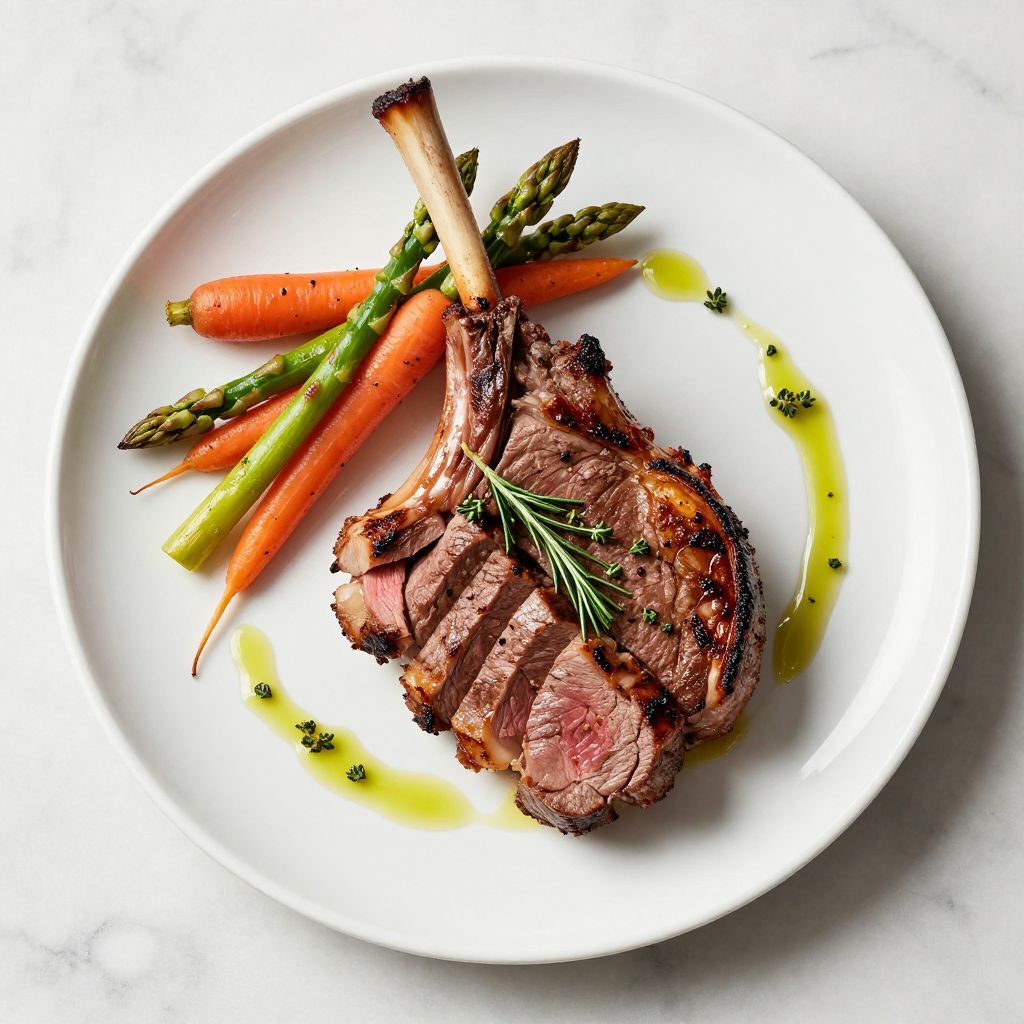
Deer Backstrap
Ingredients
Equipment
Method
- Trim any silver skin or excess fat from the deer backstrap.
- Rub the backstrap with olive oil, garlic, rosemary, thyme, salt, and pepper.
- Heat your cast iron skillet over medium-high heat until hot.
- Add the seasoned backstrap to the skillet and sear for about 4-5 minutes on each side.
- Use a meat thermometer to check the internal temperature, aiming for 130-135°F for medium-rare.
- Once cooked, transfer the backstrap to a plate and cover it loosely with foil.
- After resting for about 5-10 minutes, slice the backstrap against the grain.
- Arrange the sliced backstrap on a serving platter and serve.