
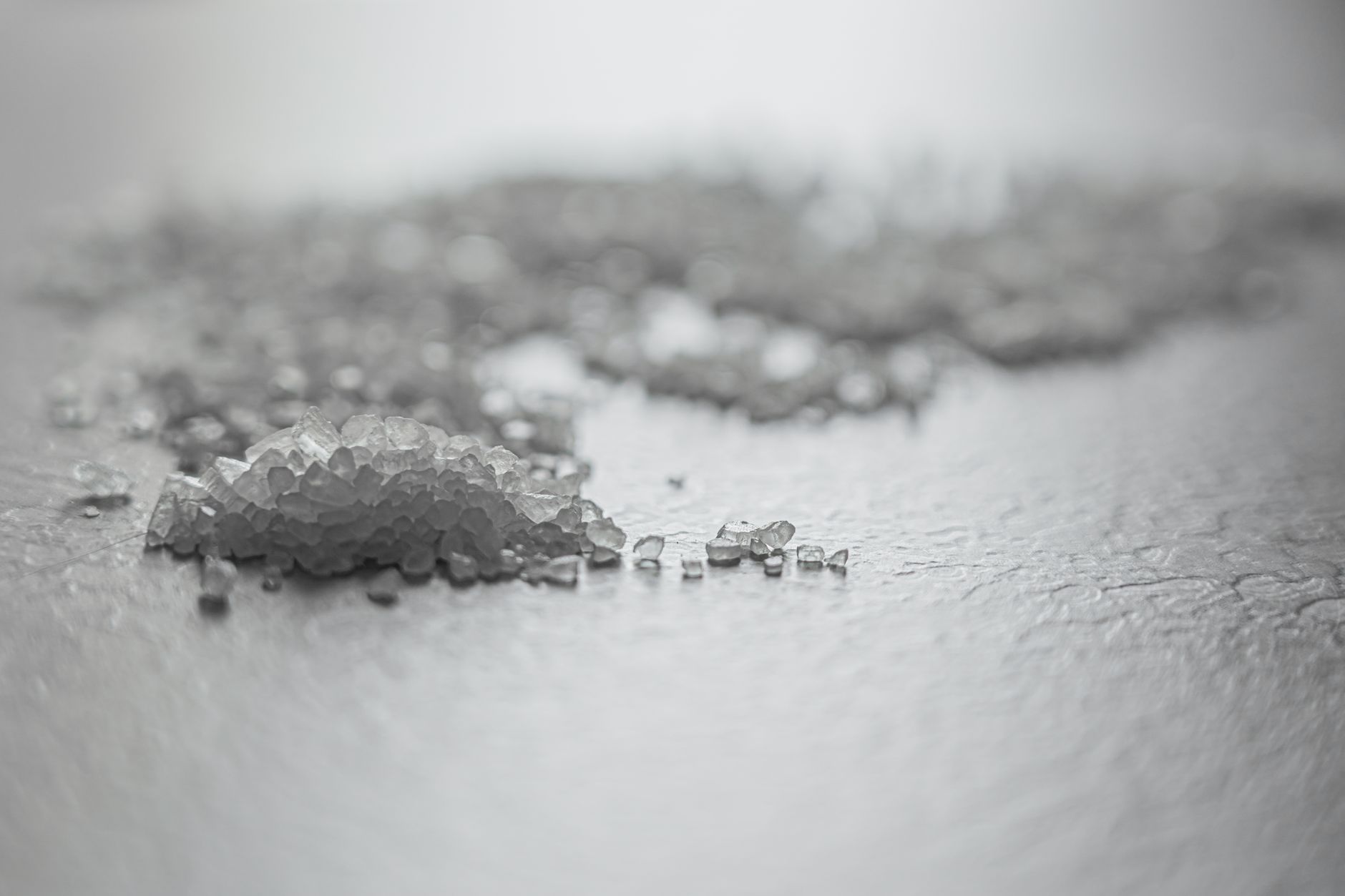
When it comes to seasoning food, salt is an essential ingredient found in almost every kitchen. However, many home cooks often wonder whether sea salt and table salt are the same. While both serve the primary purpose of enhancing flavor, they differ significantly in terms of production, composition, and culinary uses.
This article will explore the key differences between sea salt and table salt, their flavor profiles, uses in cooking and baking, and considerations for health and nutrition. By the end, you’ll have a clearer understanding of which salt to use for various culinary applications.
Is Sea Salt the Same as Table Salt?
No, sea salt and table salt are not the same. They differ in their source, texture, flavor, and mineral content. Sea salt is typically harvested from evaporated seawater, while table salt is usually mined from salt deposits and often refined to remove trace minerals. These differences influence their taste, texture, and culinary applications.
Production Methods
Understanding how each type of salt is produced is essential to appreciate their differences.
Sea Salt Production
Sea salt is harvested through the evaporation of seawater, which can occur through natural sunlight or by boiling the water. This method retains more of the natural minerals and trace elements found in seawater, resulting in a varied flavor profile. The evaporation process can take place in salt flats or salt pans, where seawater is collected and allowed to dry over time.
Table Salt Production
Table salt is primarily mined from underground salt deposits, such as those found in salt mines. This salt undergoes more extensive refining and processing, which typically includes the removal of minerals and impurities. Additionally, table salt is often treated with anti-caking agents to ensure it flows freely. Iodine is frequently added to table salt to prevent iodine deficiency in populations that do not get enough iodine from dietary sources.
Flavor Profile and Texture
Both sea salt and table salt enhance flavor, but their taste and texture can vary significantly.
Flavor Comparisons
Sea salt has a more complex flavor due to its mineral content. This diversity in minerals may add subtle variations in taste, giving sea salt a briny or slightly sweet flavor that can enhance dishes uniquely. On the other hand, table salt provides a pure salty taste with a more straightforward seasoning effect.
Texture Differences
The texture of sea salt varies based on its harvesting method and grain size, often coming in large crystals or coarse grains. This can provide a satisfying crunch when sprinkled on finished dishes. Table salt, in contrast, is usually much finer and dissolves rapidly, making it ideal for cooking and baking where quick incorporation is necessary.
Culinary Uses
Sea salt and table salt can sometimes be used interchangeably, but their different characteristics mean they are suited to various culinary applications.
Cooking
When cooking, many chefs prefer sea salt for its flavor and texture, especially in finishing dishes like roasted vegetables, meats, or seafood. Sprinkling sea salt on these items just before serving enhances their natural flavors. Table salt, with its fine grains, is often preferred for seasoning dishes during cooking, where even distribution is vital.
Baking
Baking typically requires precision in measurements and a homogeneous texture. For this reason, table salt is commonly used in baking recipes. The fine grains dissolve quickly and equally distribute saltiness throughout the dough or batter. Using sea salt in baking can lead to uneven saltiness unless the granules are cut down to a similar size as table salt.
Finishing Touch
Sea salt shines in its role as a finishing salt, where its distinctive texture and flavor can be showcased. Consider using it as a topping for freshly baked bread, cakes, chocolates, or even popcorn. The contrasting crunch and flavor elements add depth and interest to dishes.
Health Implications
While both sea salt and table salt contain sodium, there are important health considerations to keep in mind.
Sodium Content
Both types of salt contain a similar amount of sodium by weight, approximately 40%. This means that interchangeably using the two salts will not significantly change the sodium intake in your diet. If you’re concerned about sodium intake, focusing on the overall quantity of salt used in your meals is crucial rather than the type of salt.
Additional Minerals
Sea salt retains more minerals than table salt, which some claim can provide additional health benefits. However, the minerals in sea salt are present in such small quantities that their impact on overall health is likely negligible. It’s always best to maintain a balanced diet rich in fruits, vegetables, and whole grains to meet your mineral requirements.
Practical Substitutions
Now that we understand the differences between sea salt and table salt, let’s delve into how to substitute one for the other in your cooking and baking.
In Baking
If a recipe calls for table salt but you only have sea salt, it’s essential to consider the grain size. Here are some general substitution guidelines:
- Coarse sea salt to table salt: Use 1 teaspoon of table salt for every 1.5 teaspoons of coarse sea salt.
- Fine sea salt to table salt: Use a 1:1 ratio when using fine sea salt in place of table salt.
- Flaky sea salt to table salt: Use more flaky salt due to its lighter weight. Use approximately 1 tablespoon of flaky sea salt for every tablespoon of table salt.
In Cooking
For cooking applications, the substitution is typically more forgiving, and you can usually use table salt and sea salt interchangeably. However, be mindful of the flavor difference and adjust to taste, particularly when finishing dishes with sea salt.
Common Mistakes to Avoid
When using salt in cooking and baking, several pitfalls to look out for can affect your final dish.
Over-salting
One of the most common mistakes is over-salting dishes, particularly when experimenting with different salts. Be cautious and start with small amounts, especially with salt varieties that have different flavors. Taste as you go to strike the right balance.
Ignoring Texture
When using sea salt in baking, neglecting to consider the texture can lead to uneven results. Ensure that the salt size is appropriate for the recipe. If you’re using a coarse variety, consider grinding it down to achieve a finer consistency more similar to table salt.
Storage Recommendations
Properly storing your salt can help maintain freshness and quality.
Sea Salt Storage
Store sea salt in a cool, dry place in an airtight container to prevent moisture absorption. If you purchase sea salt in bulk, transfer it into smaller containers. As sea salt may clump due to its natural minerals, ensure a dry environment to maintain its free-flowing properties.
Table Salt Storage
Table salt should be kept in a similar manner – in a sealed container and away from humidity. Given that it usually contains anti-caking agents, it remains less prone to clumping than sea salt but will still benefit from proper storage.
Conclusion
While sea salt and table salt both serve as essential flavor enhancers in the kitchen, they are not the same. Understanding their differences in production, flavor, and usage can significantly enhance your cooking experience. Whether you choose to use sea salt for its unique flavor and texture or stick with reliable table salt will ultimately depend on your preferences and applications.
For practical salt-related recipes, check out how to make salt potatoes or try your hand at creating a delicious saltine cracker recipe. These options showcase the versatility of salt in cooking and can help you explore different flavor profiles and techniques in your culinary adventures.