
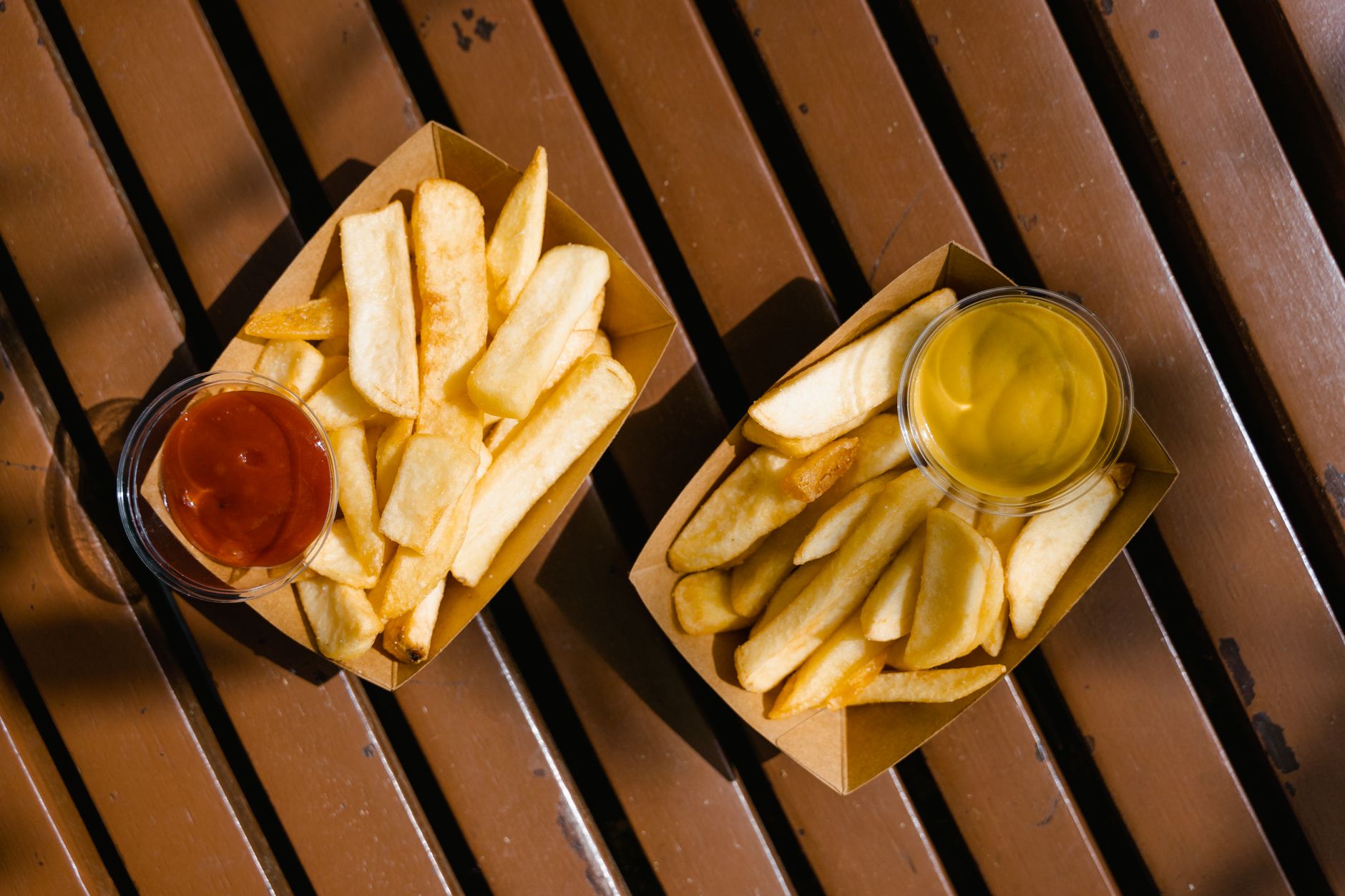
When it comes to fast food, few sides are as iconic as French fries, especially those from McDonald’s. The crispy, salty goodness of a McDonald’s fry can be irresistible, but for those watching their calorie intake, the nutritional information is crucial. This article will break down how many calories are in a small fry from McDonald’s and explore what that means in the context of a balanced diet.
Understanding calorie content can help you make informed decisions when eating out or planning meals. This article not only addresses the calorie count but also examines the ingredients, nutritional value, and potential alternatives that might better fit a particular dietary lifestyle.
How Many Calories in a Small Fry from McDonald’s?
A small fry from McDonald’s contains approximately 230 calories. This serving size is valued for its balance of flavor and texture — crispy on the outside and soft on the inside, making them a popular choice among fast food lovers.
Nutritional Breakdown of McDonald’s Small Fries
Aside from calorie content, understanding the full nutritional value of McDonald’s small fries is essential for making educated food choices. Here’s a detailed look at what you get in that small serving:
- Calories: 230
- Total Fat: 11 grams
- Saturated Fat: 1.5 grams
- Trans Fat: 0 grams
- Cholesterol: 0 milligrams
- Sodium: 160 milligrams
- Total Carbohydrates: 32 grams
- Dietary Fiber: 3 grams
- Total Sugars: 0 grams
- Protein: 3 grams
As observed, the small fries offer a moderate amount of fat and carbohydrates, with a relatively low protein count. The fiber content (3 grams) can be beneficial, contributing to satiety.
What Contributes to the Caloric Content?
The caloric content of McDonald’s fries is derived primarily from the ingredients and cooking methods used. Here’s what’s involved:
- Potatoes: The main ingredient, potatoes, provide the bulk of the calories and carbohydrates.
- Vegetable Oil: Fries are typically cooked in a blend of oils, contributing to the total fat content.
- Salt: While it doesn’t add calories, salt enhances flavor, making fries more appealing.
- Preservatives and Flavor Enhancers: Some fries may contain additives to maintain freshness and improve taste, although these do not significantly affect caloric content.
Caloric Comparison with Other Menu Items
To understand the caloric impact of a McDonald’s small fry, it is helpful to compare it with other popular menu items:
| Menu Item | Calories |
|---|---|
| Small Fry | 230 |
| Medium Fry | 340 |
| Large Fry | 510 |
| Big Mac | 540 |
| McChicken | 400 |
| Quarter Pounder with Cheese | 520 |
This comparison illustrates that while a small fry has fewer calories than many main items, it’s important to consider what you are pairing with it. Adding a large fry to a burger meal can significantly elevate the total calorie count.
Considering Dietary Requirements
For those with specific dietary goals or restrictions, understanding calories is not just about numbers but also about how those numbers fit into overall health objectives. Here’s how McDonald’s small fries might fit into various dietary lifestyles:
Weight Management
For individuals aiming for weight loss, keeping calories in check is vital. A small fry can be incorporated into a balanced diet as a treat while still allowing space for other nutrient-dense, low-calorie foods throughout the day.
Low-Carb or Keto Diet
Given that McDonald’s small fries are primarily composed of carbohydrates (32 grams), they are not suitable for low-carb or ketogenic diets. Alternatives, like low-carb vegetable fries made from zucchini or cauliflower, may provide similar textures without the high carbohydrate content.
Vegetarian and Vegan Diets
The fries themselves are plant-based, but for those following a strict vegan diet, it is essential to ensure that the oil used for cooking does not contain animal-derived products. As of now, McDonald’s does not include animal fats in their fry oil.
Alternatives to McDonald’s Small Fries
If you’re looking for a side that maintains flavor and texture while offering less calories or healthier alternatives, consider the following:
- Sweet Potato Fries: A flavorful alternative, often boasting higher fiber and vitamins.
- Baked Fries: Homemade fries baked in the oven require less oil, aiding in calorie reduction.
- Vegetable Chips: Kale or beet chips provide crunch and can be made with fewer calories.
How to Enjoy Fries Responsibly
Fries can be enjoyed in moderation as part of a balanced diet. Here are some tips to consider:
- Pairing: Balance high-calorie fries with salads or grilled options.
- Portion Control: Opt for a small fry instead of medium or large when ordering.
- Mindful Eating: Focus on savoring each bite rather than eating out of habit.
Homemade Alternatives
If you are looking to enjoy fries without the fast-food calorie count, there are plenty of homemade recipes. Here’s a simple baked fry recipe that mimics the McDonald’s flavor profile:
Baked Fries Recipe
This recipe serves approximately 4 and takes about 30 minutes from start to finish.
- Ingredients:
- 4 medium-sized russet potatoes
- 2 tablespoons olive oil
- 1 teaspoon salt
- 1/2 teaspoon paprika (optional)
- 1/2 teaspoon garlic powder (optional)
Essential Equipment:
- Baking sheet
- Sharp knife
- Mixing bowl
Method:
- Preheat your oven to 425°F (220°C).
- Wash and peel the potatoes. Cut them into thin strips to resemble fries.
- In a mixing bowl, toss the potato strips with olive oil, salt, and optional spices.
- Spread them in a single layer on the baking sheet without crowding to ensure even cooking.
- Bake for 20-25 minutes, flipping halfway through, until golden brown and crispy.
This version of fries provides a healthier alternative with fewer calories, particularly when you control servings and ingredients.
Final Thoughts on McDonald’s Fries
While a small fry from McDonald’s contains about 230 calories, this number fits within a range of dietary preferences and lifestyles. Understanding what you are consuming is essential for maintaining a balanced diet. Whether you choose to indulge in them occasionally or seek healthier alternatives, fries can still be a part of your overall eating experience.
As you plan your next meal, think about how many fries you might want to include, or consider whipping up some oven-baked alternatives for a healthier option. The important takeaway is to enjoy your favorites within your dietary constraints without guilt.
Explore other recipes and cooking tips on our blog, such as loaded fries or learn how to make your own fry seasoning for an added flavor punch.