
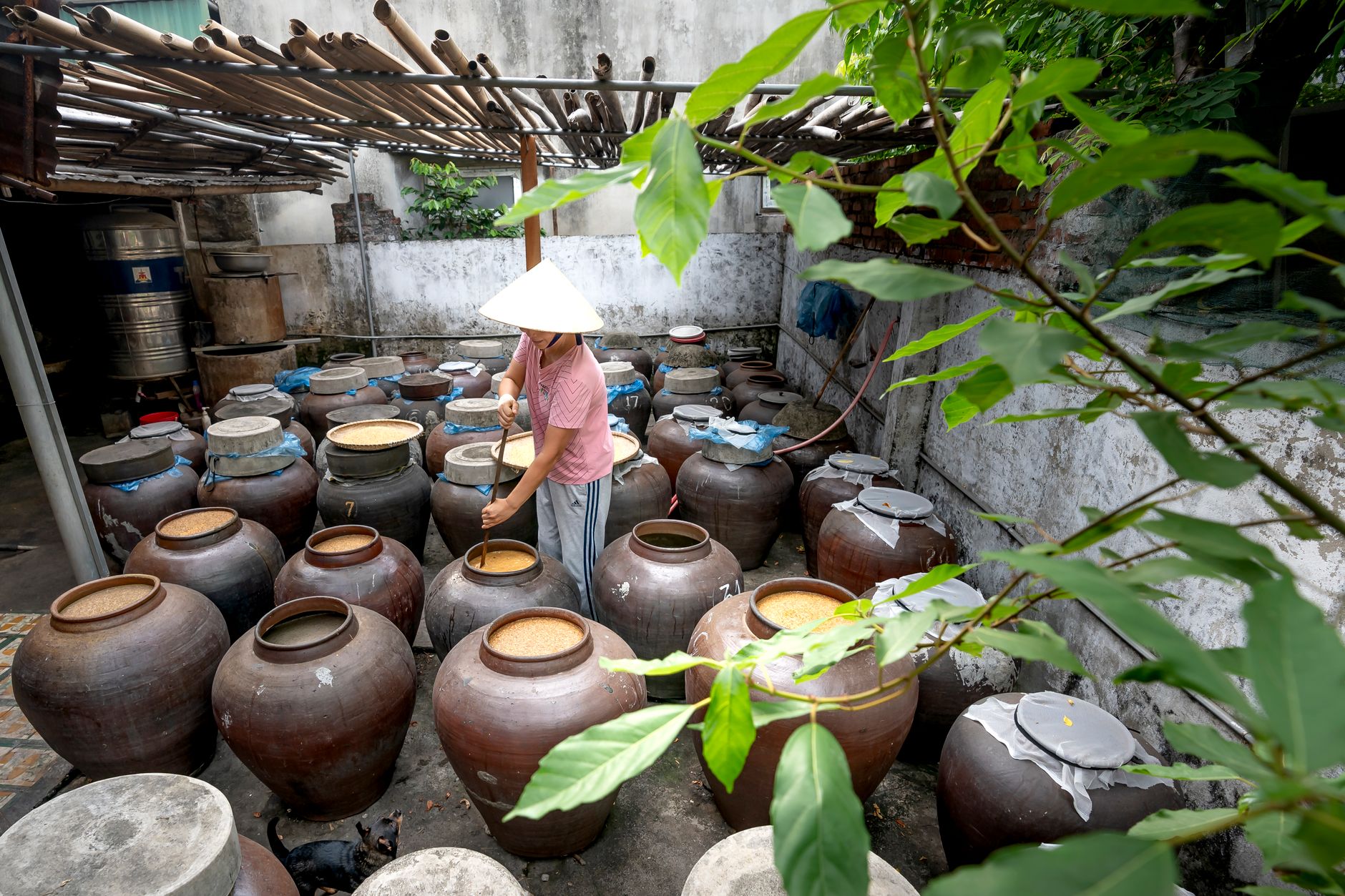
Vinegar is a versatile ingredient used in a variety of culinary applications, from salad dressings to marinades. Understanding how vinegar is made not only deepens your appreciation for this tangy condiment but also allows you to experiment with making your own at home. This guide will take you through the ingredients, method, and some serving tips to elevate your cooking.
In this article, we will explore the fermentation process involved in vinegar production, the types of vinegar you can produce, and how to use various homemade vinegar in your kitchen. Let’s dive into the world of vinegar!
How Is Vinegar Made?
Vinegar is made through a two-step fermentation process that converts sugars into alcohol and later into acetic acid. To create vinegar, you need a source of sugar (such as fruits, grains, or malt), specific strains of yeast, and acetic acid bacteria. The resulting product can range from fruit-flavored to grain-based flavors, depending on the ingredients used.
Ingredients Required for Making Vinegar
The ingredients for making vinegar can vary based on the type you wish to create. Generally, the main components include:
- Base Ingredients:
- Fruits (such as apples, pears, or grapes)
- Grains (like rice or barley)
- Wine or hard cider (for wine vinegar)
- Yeast: Various strains of yeast are utilized for alcohol fermentation.
- Acetic Acid Bacteria: These bacteria convert alcohol into vinegar.
- Water: Used to dilute and facilitate fermentation.
- Sugar (optional): Additional sugar can be added to enhance fermentation, especially in fruit-based vinegars.
- Raw Vinegar (optional): A small amount of unpasteurized vinegar can jumpstart the fermentation process by inoculating the mixture with acetic bacteria.
The Method for Making Vinegar
Creating vinegar involves two primary fermentation phases: alcoholic fermentation followed by acetic acid fermentation. Here’s a step-by-step guide to making vinegar at home:
- Choose Your Base: Decide whether you want to use fruits, grains, or already fermented liquids like wine or cider. Fresh fruit or high-quality wine often yields the best results.
- Prepare Your Base:
- If using fruit, crush or chop it to extract its juices. For grains or wines, ensure they are properly mashed or diluted if necessary.
- Optionally, add sugar to enhance fermentation. For fruit, about 1 cup of sugar per gallon of base is common.
- Initial Fermentation:
- Add the yeast to your base. You can use commercial wine or bread yeast, or even wild yeast found in the environment.
- Place the mixture in a large container, cover it with a clean cloth to allow airflow while preventing debris from entering, and let it sit in a warm, dark place for 1-2 weeks. Stir occasionally.
- Observe that bubbles will form, indicating that the sugars are converting into alcohol.
- Adding Acetic Acid Bacteria:
- Once the initial fermentation is complete and the bubbling has stopped, strain the liquid to remove solids.
- If desired, add raw vinegar, which helps introduce acetic acid bacteria to the mixture.
- Final Fermentation:
- Pour the strained liquid into a clean jar or fermentation vessel and cover it loosely with a cloth again. This time, it should be left in a warm place for several weeks to a few months, depending on desired acidity.
- Every few weeks, taste the vinegar to monitor its progress.
- Storage:
- Once it reaches the desired acidity, strain it one final time to remove any sediment.
- Transfer the finished vinegar into bottles with tight-sealing lids or corks.
Types of Vinegar You Can Make
Different bases yield distinct flavors, and each type of vinegar brings a unique profile to your dishes. Here are some popular varieties:
- Fruit Vinegar: Commonly made with apples (cider vinegar), grapes (wine vinegar), or other fruits. These vinegars are generally sweeter and gentler.
- Grain Vinegar: Produced from grains such as barley or rice, providing a more robust flavor, ideal for pickling and sauces.
- Balsamic Vinegar: Traditionally made from cooked grape must, it offers a complex, sweet taste often used in dressings or drizzling over dishes.
- White Vinegar: Made from grain alcohol and known for its sharp, pungent taste, commonly used in pickling.
- Red Wine Vinegar: A flavorful vinegar made from red wine, ideal for dressings and marinades.
- Rice Vinegar: A mild and slightly sweet vinegar, prevalent in Asian cuisines, often used in sushi and dressings.
Practical Substitutions for Making Vinegar
If you don’t have the exact ingredients for a particular vinegar type, here are some straightforward substitutions:
- Fruits: If you can’t find apples, other fruits like pears or peaches can work well. Each will impart its flavor, leading to unique vinegar.
- Wine: Use any leftover wine for wine vinegar; just ensure it hasn’t been exposed to spoilage.
- Grains: If barley is unavailable, rice or even corn can be substituted for a similar outcome.
- Yeast: Any standard bread yeast can replace wine yeast, but the flavor may differ slightly.
Common Mistakes and Troubleshooting
When making vinegar, a few common mistakes can lead to undesirable results. Here’s how to avoid them:
- Improper Fermentation Conditions: Ensure that your fermentation area is dark and warm. Too much light or cold temperatures can slow down the process or inhibit fermentation altogether.
- Using Contaminated Equipment: Always use sanitized tools to prevent unwanted bacteria or mold from spoilage.
- Tasting Too Early: Be patient; vinegar can take weeks or even months to develop flavor. Frequent tasting might be tempting, but it’s essential to let it mature.
- Not Straining Properly: Any bits of fruit or other solids left in the vinegar can lead to rancidity or off-flavors, so thorough straining is crucial.
Serving Tips for Homemade Vinegar
Homemade vinegar can elevate your meals in many ways. Here are some serving suggestions to consider:
- Salad Dressings: Create flavorful dressings using your vinegar as a base. Combine with olive oil, mustard, and honey for a classic vinaigrette.
- Marinades: Use vinegar in marinades for meats and vegetables, as its acidity helps tenderize and infuse flavor.
- Pickling: Homemade vinegars are perfect for quick pickling vegetables. Experiment with different spices and vinegar types.
- Condiments: Incorporate vinegar into sauces, mustards, or dips to add a zesty kick.
Storage and Shelf Life of Homemade Vinegar
Homemade vinegar can be stored indefinitely if kept in a cool, dark place. Here are some tips for storing it:
- Use bottles that are clean and have tight-fitting lids to minimize exposure to air.
- Label your vinegar with dates and types to keep track of their age and flavor.
- Keep homemade vinegars away from direct sunlight to maintain their flavor integrity.
- While it can last for years, check for any off odors or cloudiness before use. If it looks or smells strange, it’s best to discard it.
Final Thoughts on Making Your Own Vinegar
Making vinegar at home can be a rewarding process for anyone interested in enhancing their culinary skills. By understanding the fermentation process, selecting the right ingredients, and following best practices, you can produce a variety of flavorful vinegars tailored to your preferences. Explore different flavors, experiment with combinations, and don’t hesitate to tweak the process to find what suits your taste.
Once you’ve made your vinegar, consider expanding your culinary repertoire. Try crafting homemade sauces, dressings, or even flavored vinegars to keep your palette exciting. Explore further with our tips on meal prepping and cooking techniques in your kitchen.