
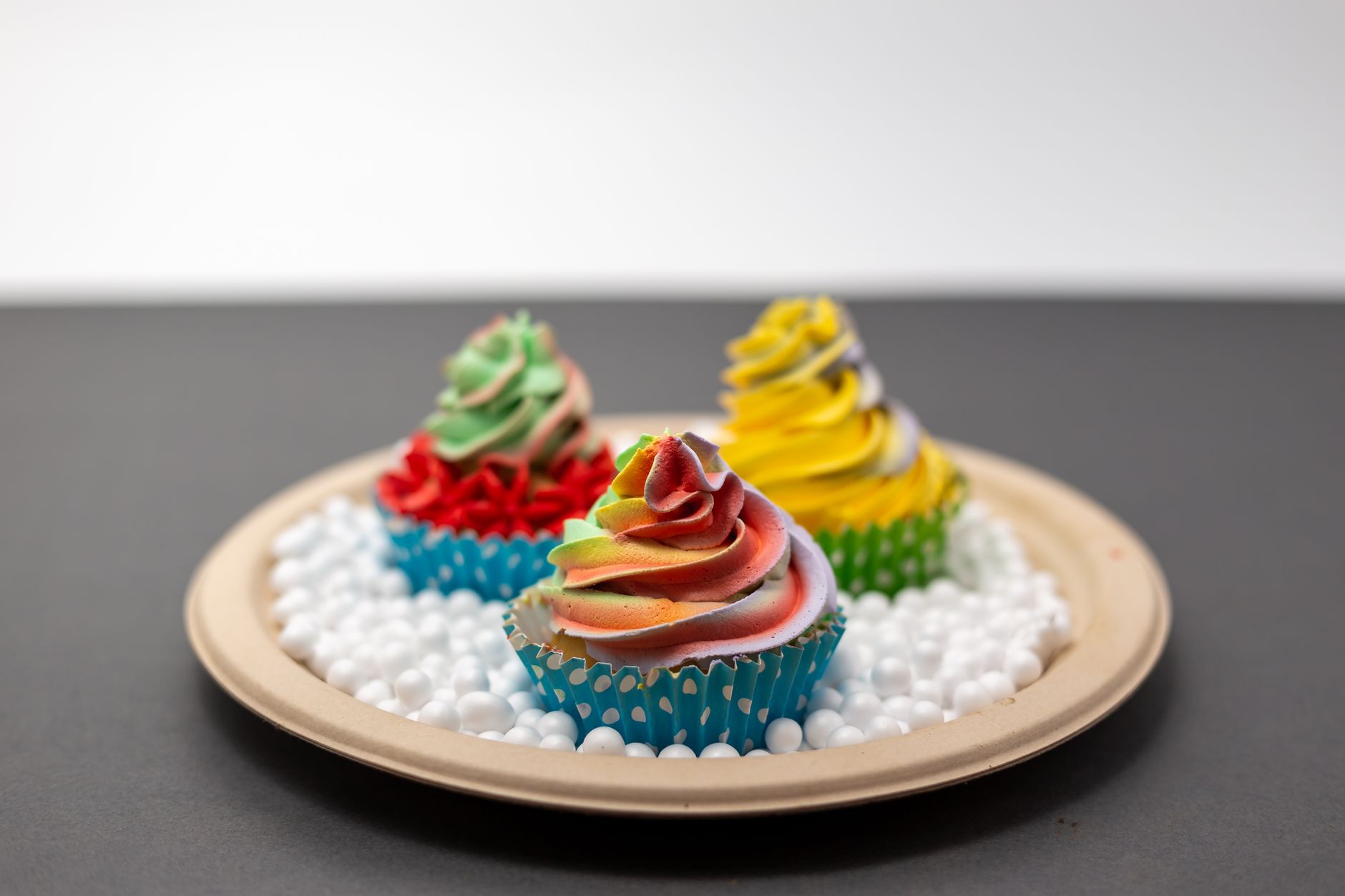
Cupcakes are a delightful dessert that can brighten any occasion, offering an array of flavors from rich chocolate to refreshing lemon. One question that often arises among enthusiasts and home bakers is whether these sweet treats need refrigeration. Understanding how to store cupcakes properly is essential for preserving their taste and texture while also ensuring food safety.
In this guide, we will explore the best practices for storing cupcakes, the factors that influence whether they need refrigeration, and some practical tips to help you keep your cupcakes fresh and delicious for as long as possible.
Do Cupcakes Have to Be Refrigerated?
Cupcakes do not have to be refrigerated unless they contain perishable ingredients, such as cream cheese frosting or dairy-based fillings. When properly stored at room temperature in an airtight container, cupcakes can remain fresh for several days. It’s essential to consider the specific ingredients used and the environment in which the cupcakes are kept.
Factors Influencing Cupcake Storage
Several key factors determine whether cupcakes should be refrigerated:
- Frosting Type: Frostings like buttercream can usually be stored at room temperature, while those made with cream cheese, whipped cream, or containing dairy must be refrigerated.
- Ingredients: Cupcakes filled or topped with perishable components, such as fruits, custards, or mousse, are best kept refrigerated.
- Humidity and Temperature: A warm and humid environment may cause cupcakes to spoil faster, necessitating refrigeration. Conversely, cooler, drier conditions may allow for room-temperature storage.
Storage Tips for Cupcakes
To ensure your cupcakes remain fresh and tasty, follow these essential storage tips:
Room Temperature Storage
- Let Cupcakes Cool: Always allow your cupcakes to cool completely before storing them. This prevents condensation from forming, which can make the cupcakes soggy.
- Use an Airtight Container: Place the cooled cupcakes in an airtight container. This keeps air out and moisture in, preventing the cupcakes from drying out.
- Keep Away From Direct Sunlight: Store the container in a cool, dark place. Avoid areas exposed to sunlight or high temperatures, which could lead to spoilage.
Refrigerated Storage
- Choose the Right Container: When storing cupcakes in the fridge, opt for a sturdy, airtight container that allows for airflow while keeping the moisture balanced.
- Label and Date: If you plan to store cupcakes for more than a few days, label your container with the date they were made. This helps track freshness.
- Keep Frosted and Unfrosted Separate: If you have both types, store them in separate containers to avoid flavor transfer and preserve textures.
How Long Can Cupcakes Last?
The shelf life of cupcakes depends on their ingredients and storage conditions. Here’s a quick guide:
| Storage Method | Duration |
|---|---|
| Room Temperature (frosted with buttercream) | 3 to 4 days |
| Room Temperature (unfrosted) | 5 to 7 days |
| Refrigerated (any frosting) | 1 week |
| Freezer (frosted or unfrosted) | Up to 3 months |
Freezing Cupcakes
If you want to keep cupcakes for an extended period, freezing is an excellent option. Here’s how to do it effectively:
Freezing Unfrosted Cupcakes
- Cool Completely: Ensure the cupcakes are thoroughly cooled.
- Wrap Individually: Wrap each cupcake in plastic wrap to prevent freezer burn.
- Add a Layer: Place the wrapped cupcakes in a freezer-safe bag or container for added protection.
- Label the Bag: Include the date for reference.
Freezing Frosted Cupcakes
- Chill First: Place the frosted cupcakes in the freezer for about 30 minutes until the frosting hardens.
- Wrap Tightly: Wrap each cupcake in plastic wrap carefully without disturbing the frosting.
- Store Properly: Place the wrapped cupcakes in a freezer-safe container.
Thawing Frozen Cupcakes
Thawing frozen cupcakes requires some thought to maintain their quality:
- Refrigerator Method: The best way to thaw is in the refrigerator, allowing the cupcakes to defrost slowly. This can take several hours or overnight.
- Counter Method: Alternatively, unwrap and leave the cupcakes at room temperature for about 30 minutes to an hour, but make sure to consume them shortly after.
Common Mistakes When Storing Cupcakes
A few common mistakes can lead to less-than-desirable results when storing cupcakes:
- Skipping Cooling: Not allowing cupcakes to cool completely before storage can lead to sogginess due to condensation.
- Using Non-Airtight Containers: Storing cupcakes in non-airtight containers can expose them to air, causing them to dry out quickly.
- Not Checking Ingredients: Forgetting that certain fillings or frostings require refrigeration can lead to spoilage.
- Exposing to Heat: Storing cupcakes in warm areas or near heat sources can accelerate spoilage.
Serving and Presentation Tips
When it’s time to serve your cupcakes, keeping them in top condition is key:
- Room Temperature: If refrigerated, allow cupcakes to return to room temperature before serving for the best flavor and texture.
- Cupcake Stands: Presenting your cupcakes on a tiered stand adds sophistication to any event.
- Decorate Before Serving: Consider adding fresh toppings like sprinkles, fruits, or whipped cream just before serving for a refreshing touch.
Conclusion
In summary, whether cupcakes need refrigeration depends chiefly on their ingredients. Standard cupcakes with buttercream frosting can be stored at room temperature, while those with cream cheese or dairy-based components should be refrigerated. By following proper storage techniques, you can extend the life of your cupcakes and ensure they maintain their delicious flavor and texture.
For those occasions when you find yourself with leftover cupcakes, consider freezing them for a later treat. Just remember to follow the outlined steps to keep them as fresh as possible. Happy baking!
For more tips on food storage and delicious recipes, explore our guides on freezing cupcakes and learn whether ghee needs to be refrigerated for optimal flavor and usage!