
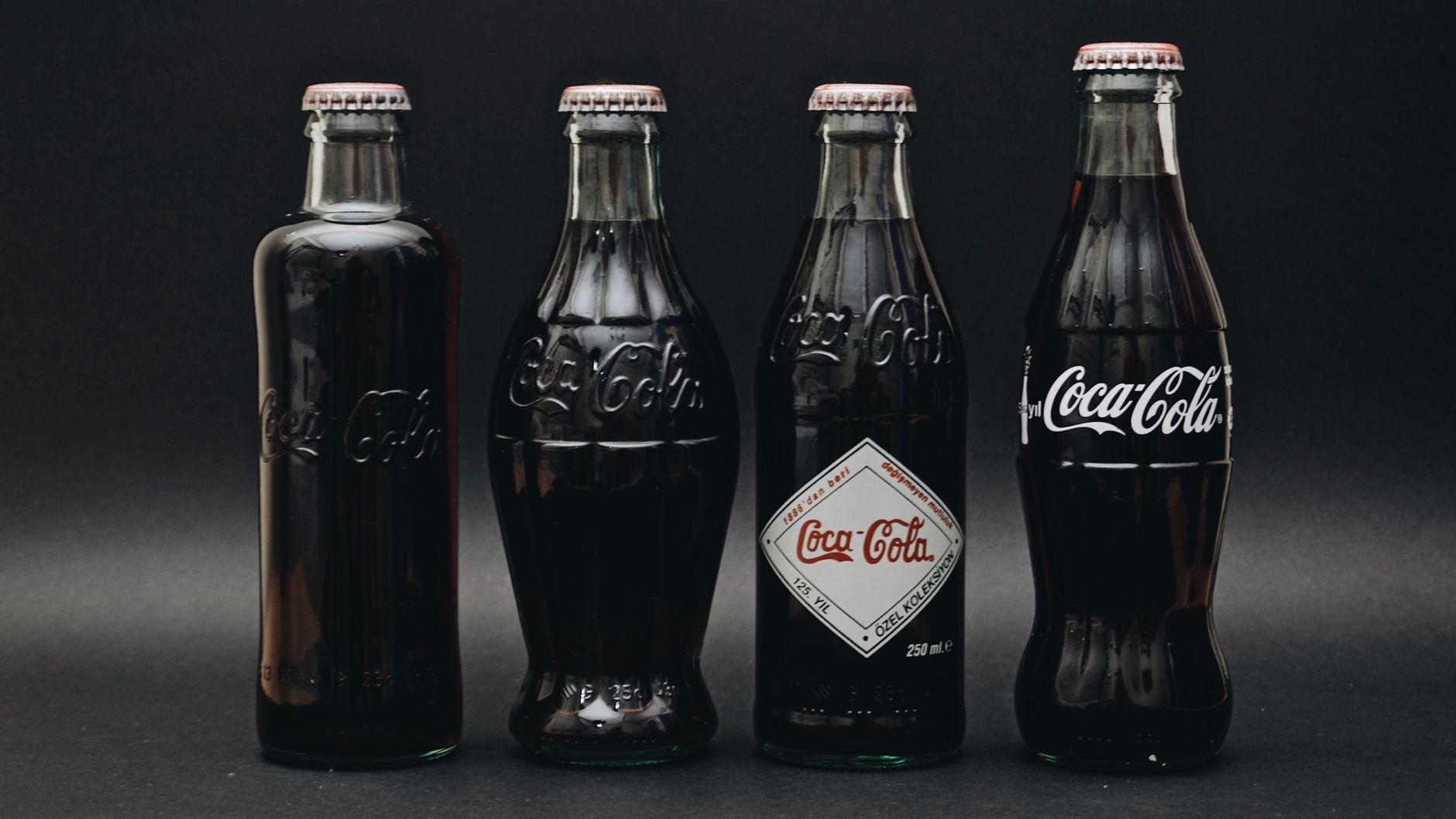
Caffeine lovers often seek out their favorite sources of this stimulant, and Coca-Cola is a popular choice. But how much caffeine is actually in a bottle of Coke? Understanding the caffeine content can help you manage your daily intake, especially in combination with other beverages you’ll consume throughout the day.
Coca-Cola, known for its refreshing taste, is available in several varieties, each with different caffeine levels. Let’s explore the caffeine content in a standard bottle of Coke, including the various options available, the differences in caffeine content, and some insights on caffeine consumption.
How Much Caffeine in a Bottle of Coke?
A standard 12-ounce (355 mL) bottle of Coke Classic contains about 34 mg of caffeine. This level of caffeine is relatively low compared to other caffeinated beverages, making Coke a moderate option for those who enjoy some caffeine without the jitters that may come from stronger stimulants.
Comparing Caffeine Content of Coca-Cola Varieties
Coca-Cola offers a variety of products, each with unique flavors and caffeine levels. Below is a breakdown of the caffeine content in some popular Coca-Cola products:
| Product | Caffeine Content (mg) | Volume (oz) |
|---|---|---|
| Coca-Cola Classic | 34 | 12 |
| Coca-Cola Zero Sugar | 34 | 12 |
| Coca-Cola Diet | 46 | 12 |
| Coca-Cola Energy | 114 | 12 |
| Coca-Cola with Coffee | 69 | 12 |
As you can see, both Coca-Cola Classic and Coca-Cola Zero Sugar contain the same amount of caffeine, while Diet Coke has a higher caffeine content. Coca-Cola Energy provides a substantial boost, containing over three times the caffeine of the Classic version.
Understanding Caffeine and Its Effects
Caffeine is a natural stimulant that affects the central nervous system, promoting alertness and reducing fatigue. Consumed in moderate amounts, it can enhance cognitive functions and improve mood. However, excessive intake can lead to side effects such as increased heart rate, anxiety, and restlessness.
The Food and Drug Administration (FDA) considers 400 mg of caffeine per day as generally safe for most adults. This means a person could consume around 11 to 12 cans of Coke Classic in a day without exceeding this guideline. However, it’s important to consider total caffeine intake from all sources, including coffee, tea, energy drinks, and chocolate.
Factors Affecting Individual Caffeine Sensitivity
While the general guidelines on caffeine consumption apply to most people, individual responses can vary widely based on several factors:
- Genetics: Genetic differences can influence how quickly caffeine is metabolized in the liver.
- Age: Older adults may experience different effects from caffeine than younger individuals.
- Body Weight: Caffeine sensitivity can vary based on body weight; generally, lower body weights may lead to stronger effects from the same caffeine dose.
- Health Conditions: Certain medical conditions and medications can affect how caffeine impacts the body.
- Tolerance: Regular caffeine consumers may develop a tolerance, requiring higher amounts to achieve the same effects.
Caffeine in Other Popular Beverages
If you are monitoring your caffeine intake, it is beneficial to compare different beverages. Here is a brief overview of the caffeine content in popular drinks:
| Beverage | Caffeine Content (mg) | Volume (oz) |
|---|---|---|
| Coffee (brewed) | 95 | 8 |
| Espresso | 63 | 1 |
| Black Tea | 47 | 8 |
| Green Tea | 28 | 8 |
| Energy Drinks | 80-160 | 8 |
As seen above, caffeinated beverages vary significantly in their caffeine levels. Regular brewed coffee contains much more caffeine than a bottle of Coke, and energy drinks can contain upwards of 160 mg per serving.
Pros and Cons of Caffeine Consumption
Each person’s relationship with caffeine can vary, and it’s essential to recognize both the benefits and disadvantages of consuming caffeine:
Benefits
- Increased Alertness: Caffeine can temporarily boost energy levels and improve concentration.
- Athletic Performance: Some studies suggest that caffeine may enhance physical performance, particularly in endurance sports.
- Social Enjoyment: Drinking caffeinated beverages often comes with social interactions, enhancing the overall experience of enjoying food and drink with others.
Drawbacks
- Dependence: Regular consumption can lead to caffeine dependence, resulting in withdrawal symptoms when intake is reduced.
- Anxiety and Jitters: Some people may experience heightened anxiety and restlessness with caffeine consumption.
- Sleep Disturbances: Caffeine consumed later in the day can disrupt sleep patterns, affecting overall health and well-being.
Making Informed Choices About Caffeine
Understanding the caffeine content in beverages such as Coca-Cola allows you to make informed choices about your daily intake. Here are practical tips for managing caffeine consumption:
- Read Labels: Always check the labels on caffeinated products to be aware of their caffeine content.
- Moderation is Key: Enjoy Coca-Cola and other caffeinated beverages in moderation to avoid adverse effects.
- Time It Right: Be mindful of when you consume caffeine, as consuming it too late in the day can impact your sleep.
- Consider Alternative Drinks: If you find yourself reacting poorly to caffeine, consider non-caffeinated beverages, like herbal teas or flavored water.
Common Misconceptions About Coca-Cola and Caffeine
There are some common myths surrounding Coca-Cola’s caffeine content and its effects. Below are clarifications to dispel these misconceptions:
- Myth: All sodas have high caffeine content. While many sodas do contain some caffeine, the levels can vary widely. For example, a can of Coke has less caffeine than many energy drinks.
- Myth: Coca-Cola is as stimulating as coffee. Coca-Cola contains significantly less caffeine than coffee, making it a milder choice for those sensitive to caffeine.
- Myth: Diet Coke has no calories, hence no caffeine impact. Diet Coke contains caffeine, despite having zero calories, which can influence consumption habits.
Caffeine and Food Pairing Suggestions
When enjoying a bottle of Coke, you might want to consider what foods pair well with its flavor profile:
- Grilled Burgers: The sweetness and carbonation can cut through the richness of grilled meat.
- Spicy Dishes: The refreshing nature of Coke balances the heat in spicy cuisines such as Mexican or Thai.
- Fried Foods: Coca-Cola can complement fried foods, providing a contrasting taste to the crispy texture.
Making More Informed Choices
To control your caffeine consumption effectively, consider keeping a log of your daily intake from various sources. This strategy is particularly helpful if you consume other caffeinated drinks like coffee, tea, or energy drinks.
In addition, staying informed about how caffeine impacts your body can be beneficial. If you notice that caffeine disrupts your sleep or heightens anxiety, consider reducing your overall intake.
Tips for Reducing Caffeine Dependence
If you decide that you want to reduce your caffeine intake, here are some practical strategies:
- Gradual Reduction: Slowly decreasing your intake can minimize withdrawal symptoms and make the process more manageable.
- Hydration: Ensuring you stay well-hydrated can mitigate feelings of fatigue that arise from cutting back on caffeine.
- Substitution: Explore caffeine-free alternatives such as herbal teas or decaffeinated versions of your favorite beverages.
Conclusion
Coca-Cola offers a delightful variety of beverages with varying caffeine levels, making it a popular choice among soft drink lovers. A 12-ounce bottle of Coke Classic contains approximately 34 mg of caffeine, which is a moderate amount when considering the overall dietary guidelines for caffeine consumption. Understanding the caffeine content, its effects, and how to consume it responsibly enables you to enjoy your preferred beverages while being mindful of your health.
For further insights on caffeinated beverages, consider looking into caffeine content in Diet Dr Pepper or explore the levels of caffeine in chai tea for a broader understanding of common drinks.