
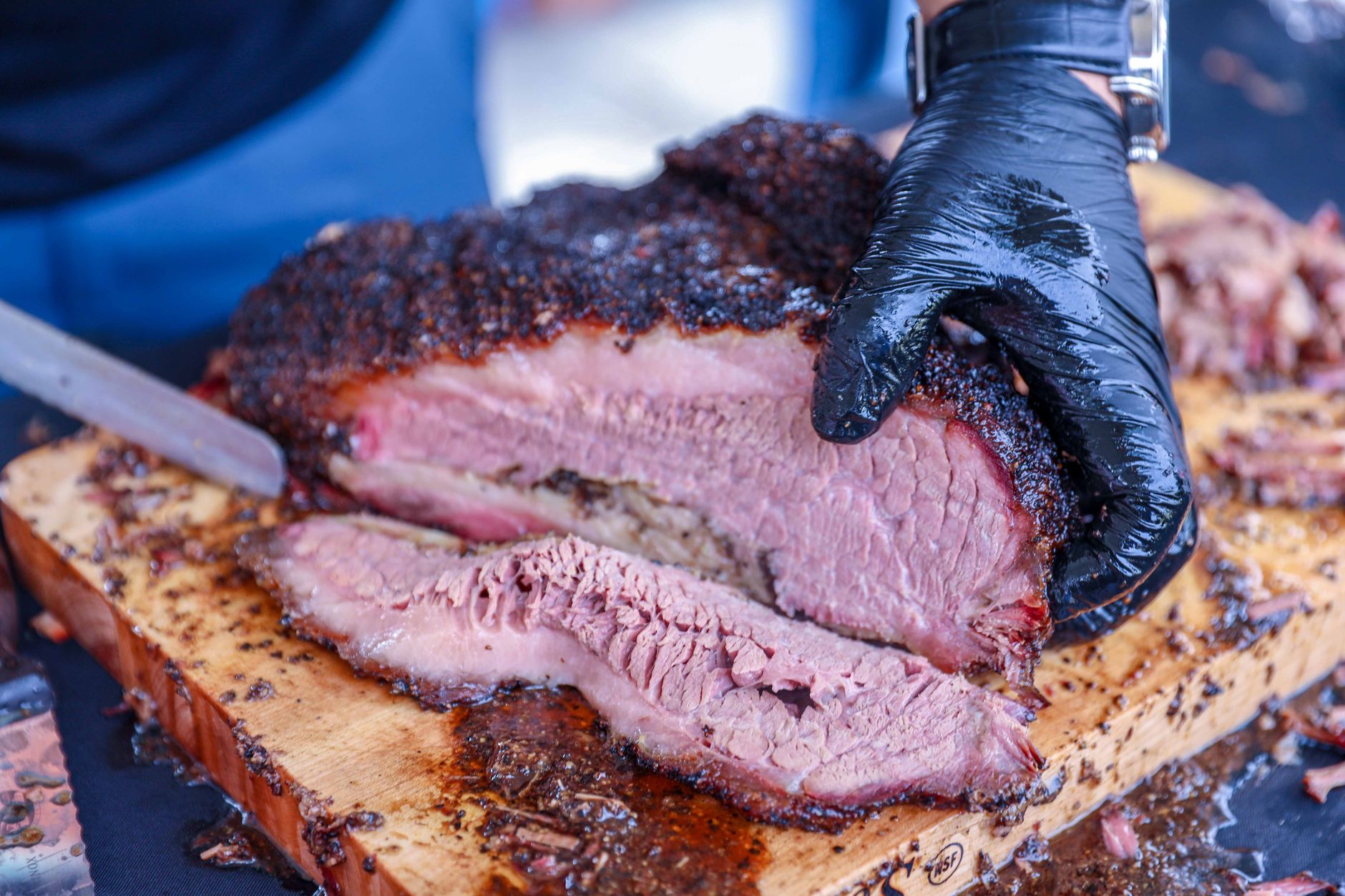
Brisket is a cut of meat that has gained immense popularity, particularly in barbecue culture and comfort food dishes. Known for its rich flavor and tender texture when cooked properly, brisket is a favorite among many meat lovers and home cooks alike.
In this article, we will explore what brisket is, its unique flavor profile, various cooking methods, and how to serve it to make the most of this delicious cut of meat.
What Is Brisket?
Brisket is a cut of meat from the breast or lower chest of a cow. It is considered a primal cut, meaning it is one of the large sections from which individual steaks and other cuts are prepared. Brisket is typically very flavorful due to the high levels of connective tissue, making it an ideal candidate for slow cooking methods to achieve tenderness.
Understanding Brisket Cuts
Brisket can be divided into two main parts: the flat and the point.
- Flat: This is the leaner portion of the brisket. It has a uniform thickness and is often the cut used for slicing to serve in sandwiches or for moisture retention in dishes.
- Point: The point is thicker and fattier, resulting in more marbling. This cut is often left whole for cooking or used for dishes like burnt ends.
Flavor Profile of Brisket
Brisket boasts a rich, beefy flavor characterized by its juicy and tender texture once cooked. The fat content, particularly in the point cut, contributes to a luscious mouthfeel and enhances the meat’s overall flavor. Whether it’s smoked, braised, or barbecued, brisket develops a beautiful crust when cooked, known as the bark, which adds to its appealing taste.
Tips for Selecting the Perfect Brisket
When buying brisket, it is essential to check a few key factors:
- Grade: Look for a cut that has good marbling. The USDA grades beef from select to prime, with prime being the highest quality and most marbled, ideal for brisket.
- Size: Depending on your guest list, you can find brisket ranging from 3 to 20 pounds. A larger cut is suitable for gatherings, while smaller cuts work well for weeknight meals.
- Freshness: Always check for a fresh pink or red color with no signs of browning or discoloration.
Cooking Techniques for Brisket
Brisket is a versatile cut that can be prepared using various methods. The key is to cook it low and slow to break down its tough fibers, resulting in a tender and juicy dish.
1. Smoking
Smoking is one of the most popular methods to prepare brisket. The process imparts a unique flavor and creates an irresistible bark. Here’s how to smoke a brisket:
- Preparation: Trim excess fat to about a quarter inch on the flat side. Season generously with your favorite dry rub.
- Smoker Setup: Preheat your smoker to a temperature of around 225°F to 250°F. Use hardwoods like oak or hickory for the best flavor.
- Cooking: Place the brisket fat-side up on the smoker. Cook until it reaches an internal temperature of 195°F to 205°F, which may take several hours. Use a meat probe for accuracy.
- Resting: Once done, let it rest for at least 30 minutes before slicing.
2. Braising
Braising is another excellent method for cooking brisket, especially if you prefer an oven-based technique. This method yields a soft texture and rich flavors.
- Preparation: Sear the seasoned brisket in a Dutch oven with some oil over medium-high heat until browned on both sides.
- Add Liquid: Pour in beef broth, red wine, or a combination, ensuring the brisket is partially submerged.
- Cooking: Cover the pot and place it in a preheated oven at 300°F for 3-4 hours, or until the meat is fork-tender.
3. Slow Cooking
If you prefer a more hands-off approach, using a slow cooker for brisket can be very effective.
- Preparation: Season the brisket and place it into the slow cooker with aromatics, such as onions and garlic, and a cup of beef broth or your choice of liquid.
- Setting: Set your slow cooker on low for 8-10 hours. The longer cooking period leads to maximum tenderness.
Common Mistakes When Cooking Brisket
Cooking brisket can be intimidating for some, and a few common pitfalls can ruin this delicious cut:
- Not Trimming Enough Fat: Fat is your friend when cooking brisket, but excess fat can lead to greasiness. Aim for an even quarter-inch fat layer.
- Rushing the Process: Brisket takes time and patience. Avoid cooking it at overly high temperatures, or you risk tough, chewy meat.
- Slicing Against the Grain: To ensure tenderness, always slice brisket against the grain.
How to Serve Brisket
Brisket can be served in a variety of ways, depending on your preferences and occasion. Here are some popular serving suggestions:
- Sandwiches: Sliced brisket makes a fantastic filling for sandwiches. Top with coleslaw or pickles for added crunch.
- With Sides: Serve brisket with sides like creamy mashed potatoes, baked beans, cornbread, or coleslaw.
- In Tacos: Shredded brisket can be delicious in tacos or burritos, complemented with salsa or guacamole.
- Get Creative: Use brisket in stews, chili, or pasta dishes for flavorful meals.
Brisket Storage and Reheating Guidelines
Proper storage ensures your cooked brisket maintains its quality for future meals:
- Storage: Cool the brisket to room temperature before placing it in an airtight container. It can be stored in the refrigerator for 3-4 days or frozen for up to 3 months.
- Reheating: For best results, reheat brisket in the oven at a low temperature (around 250°F), adding a splash of beef broth to keep it moist.
Explore Brisket Variations
Brisket can be seasoned and marinated in countless ways, allowing you to explore a variety of flavors:
- Classic BBQ Rub: Brown sugar, paprika, garlic powder, onion powder, salt, and pepper.
- Asian-Inspired: Soy sauce, ginger, brown sugar, and sesame oil for a unique twist.
- Tex-Mex: Taco seasoning or chili rub for a spicy kick.
Pairing Drinks with Brisket
The right beverage can enhance the brisket experience. Here are a few pairing suggestions:
- Beverages: Rich red wines (like Cabernet Sauvignon or Malbec) complement the meatiness of brisket. For a beer option, look for stouts or IPAs that can cut through the fat.
- Non-Alcoholic: Root beer or ginger ale adds a refreshing contrast.
Brisket in Regional Cuisines
Brisket features prominently in various cuisines worldwide. Each region offers a unique take, showcasing different cooking styles, flavors, and traditions.
- Texas BBQ: Known for its simplicity, focusing on the brisket itself with light seasonings and low, slow smoking.
- Jewish Cuisine: Brisket is often braised for Jewish holidays, served with traditional sides like kugel or latkes.
- Mexican Cuisine: In tacos or in barbacoa style, brisket is celebrated for its rich flavors and versatility.
Conclusion
Brisket is a flavorful cut of meat that offers endless possibilities for cooking and serving. Whether you’re smoking, braising, or slow cooking, mastering brisket will undoubtedly enhance your culinary skills. Experiment with different flavors and cooking techniques, and consider how to serve this delicious cut to impress your friends and family.
For more delicious recipes and cooking tips, check out our guides on burnt ends and smoked beef ribs.