
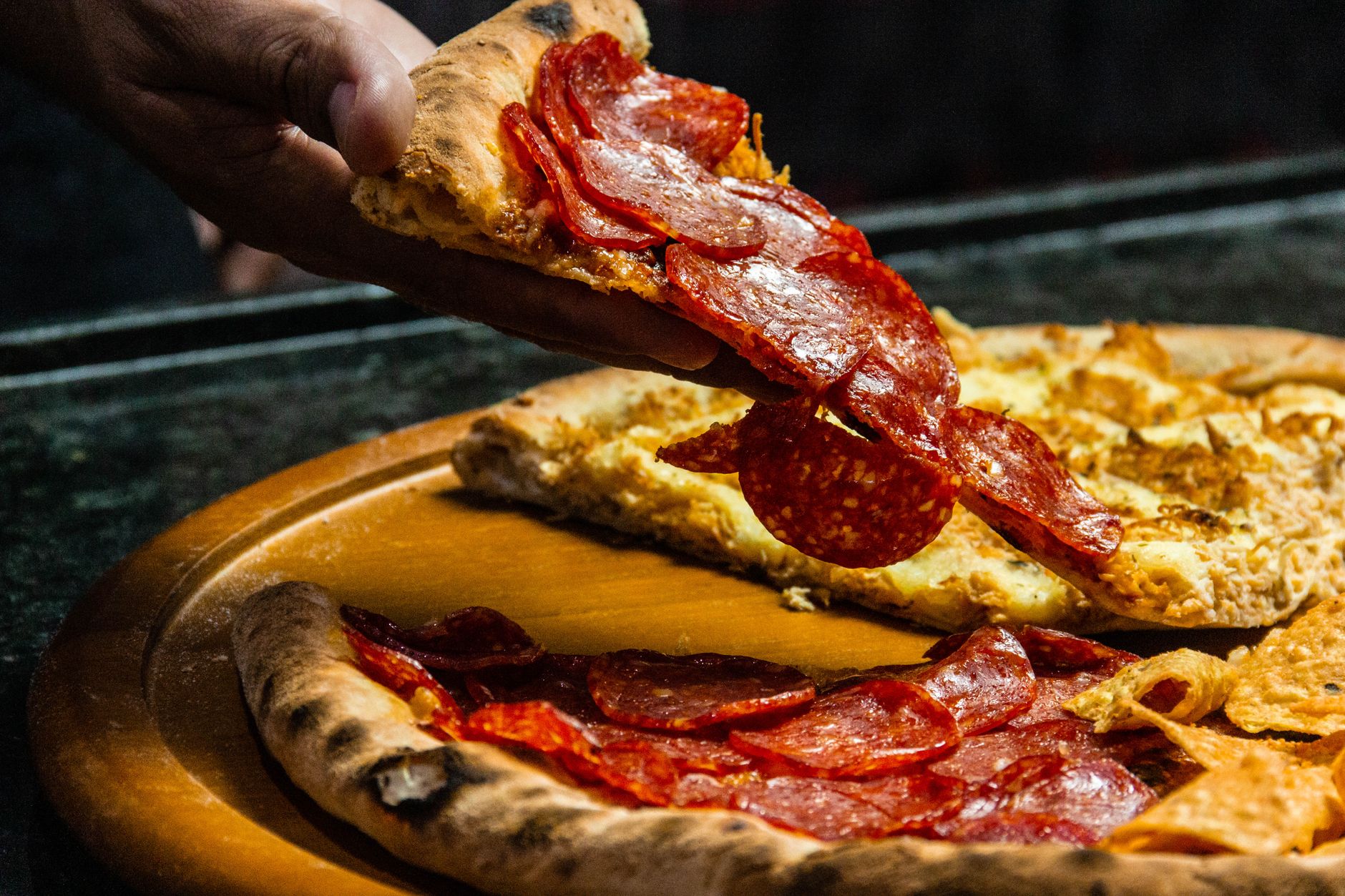
Pizza is one of the most beloved foods globally, often credited as a quintessential American dish. However, its origins tell a different story, steeped in Italian traditions. This article explores the historical roots of pizza, its evolution in America, and offers insights into its popularity and significance in American culture.
By examining different styles, toppings, and making techniques, you will gain a deeper understanding of what makes pizza not only an American favorite but also a versatile dish enjoyed by many cultures. Whether you’re a fan of classic cheese or adventurous toppings, there’s much to explore about this dish.
Is Pizza American?
While pizza is often associated with American cuisine today, its origins trace back to Naples, Italy. The classic Margherita pizza, topped with tomatoes, mozzarella, and basil, was created in the late 19th century. However, the American pizza culture flourished in the 20th century, leading to various styles and adaptations that make it uniquely American.
The Italian Roots of Pizza
The dish that we now know as pizza has deep historical roots in Italy. Ancient civilizations, including the Greeks and Romans, had their own variations of flatbreads topped with various ingredients. However, modern pizza began in Naples, Italy, where the first pizzeria opened in 1738, selling these flatbreads. The Margherita pizza, created in 1889, was named after Queen Margherita of Savoy and became the standard for pizza in Italy.
The Arrival of Pizza in America
Italian immigrants brought their culinary traditions to the United States in the late 19th and early 20th centuries, introducing pizza to American soil. The first documented pizzeria in the U.S. was Lombardi’s, opened in New York City in 1905. Initially, pizza was sold primarily in Italian neighborhoods, but it quickly gained popularity across the country.
The Evolution of American Pizza Styles
As pizza popularity grew, various regional styles developed, each with its own unique flavor profile and preparation methods. Here are some of the most popular pizza styles in America:
New York-Style Pizza
New York-style pizza features a thin, flexible crust that can be folded and is typically topped with tomato sauce and mozzarella cheese. The pizza is usually cooked in a gas pizza oven, which contributes to its characteristic texture. This style is renowned for its large slices, making it ideal for on-the-go eating.
Chicago Deep-Dish Pizza
Contrasting sharply with New York-style pizza, Chicago deep-dish pizza has a thick crust that resembles a pie rather than traditional pizza. It’s baked in a deep pan and is layered with cheese, toppings, and tomato sauce. This pizza style is known for its hearty portion sizes and satisfying filling feel.
California-Style Pizza
California-style pizza is known for its innovative and gourmet toppings, which often include seasonal vegetables and unconventional ingredients. The crust is typically thin and crispy, similar to New York-style pizza, but the toppings set it apart. This style emphasizes fresh, local ingredients and creativity.
Detroit-Style Pizza
Detroit-style pizza is a rectangular pizza with a thick crust and a crunchy bottom. This style originated in Detroit and is characterized by the “baked in” cheese, which forms a caramelized edge. It typically features toppings placed under the cheese, with tomato sauce drizzled on top after baking.
Common Pizza Toppings
Pizza toppings vary widely from traditional to modern options, appealing to diverse tastes. Here are some common toppings found on American pizzas:
- Pepperoni
- Mushrooms
- Onions
- Sausage
- Bacon
- Extra cheese
- Olives
- Bell peppers
- Pineapple
- Spinach
- Meatballs
Making Pizza at Home
Creating your own pizza is both fun and rewarding. You can customize it to your individual tastes, experiment with different doughs, and use fresh toppings. Below are essential tips for making pizza at home.
Essential Equipment
- Pizza stone or baking sheet
- Rolling pin
- Mixing bowl
- Dough cutter or bench scraper
- Pizza peel (optional)
- Oven
Making Pizza Dough
The foundation of any great pizza is the dough. Here’s a basic pizza dough recipe to get you started:
Ingredients
- 4 cups all-purpose flour
- 1 ½ teaspoons salt
- 1 teaspoon sugar
- 1 packet (2 ¼ teaspoons) active dry yeast
- 1 ½ cups warm water (about 110°F/43°C)
- 2 tablespoons olive oil
Instructions
- In a mixing bowl, combine the warm water and sugar. Sprinkling the yeast over the top, let it sit for about 5-10 minutes until foamy.
- Add the flour, salt, and olive oil to the yeast mixture. Mix until a shaggy dough forms.
- Knead the dough on a floured surface for about 8-10 minutes until smooth and elastic. If using a mixer, knead with a dough hook for about 5-7 minutes.
- Place the dough in an oiled bowl, cover it with a damp cloth, and let it rise in a warm place for about 1-2 hours, or until it doubles in size.
- Once risen, punch down the dough and let it rest for an additional 10-15 minutes before rolling it out.
Shaping & Topping Your Pizza
1. Preheat your oven with a pizza stone or a baking sheet set to 475°F (245°C).
2. Flour your work surface and roll out the dough to your desired thickness. If using a pizza stone, ensure the dough is slightly larger than the stone.
3. Transfer the rolled-out dough onto a floured pizza peel or a parchment paper-lined sheet.
4. Add your desired sauce, cheese, and toppings. Remember, less is more when it comes to toppings to avoid a soggy pizza.
Baking Your Pizza
1. Carefully slide the pizza onto the preheated pizza stone or transfer the baking sheet into the oven.
2. Bake for about 12-15 minutes, or until the crust is golden brown and the cheese is bubbling.
3. Remove from the oven and let it cool for a couple of minutes before slicing and serving.
Common Mistakes to Avoid When Making Pizza
Creating the perfect pizza can sometimes be challenging. Here are some common pitfalls to avoid:
- Using too much sauce or toppings, which can lead to a soggy crust.
- Not preheating the oven and the stone, resulting in uneven cooking.
- Skipping the resting time for the dough, which can affect texture.
- Using cold ingredients straight from the fridge; let your ingredients come to room temperature for better results.
Serving and Pairing Pizza
Pizza can be enjoyed in various settings—casual family dinners, parties, or even as a late-night snack. Here are some serving ideas and drink pairings:
- Serve pizza with a side of fresh salad for balance.
- Pair with beer, wine, or soda, depending on personal preference.
- Add dipping sauces like ranch or garlic butter for an extra kick.
- Consider offering a variety of pizzas for parties to cater to diverse tastes.
Exploring Pizza Variations
Pizza is incredibly versatile, adapting to different dietary preferences and cultural influences. Here are some variations:
Vegetarian Pizza
This type focuses on a variety of vegetables such as peppers, onions, mushrooms, and spinach. You can create delicious combinations without meat.
Vegan Pizza
Vegan pizzas exclude any animal products. Use vegan cheese or simply load with vegetables and a flavorful tomato sauce.
Gluten-Free Pizza
Gluten-free options utilize flours made from alternative grains or cauliflower crusts to appeal to those with gluten sensitivities.
Conclusion
Pizza may have Italian origins, but its development in America tells an exciting story of culinary adaptation and innovation. With its numerous styles, toppings, and ways to be enjoyed, pizza reflects both cultural heritage and individual creativity. Whether you prefer to order from a favorite local pizzeria or make your own at home, pizza continues to bring people together.
To delve deeper into your pizza-making adventures, consider trying a sourdough pizza dough or a Sicilian-style dough to explore the variety of textures and flavors that different pizza types offer. Explore the sourdough discard pizza dough recipe and the Sicilian pizza dough recipe for more delicious options.