
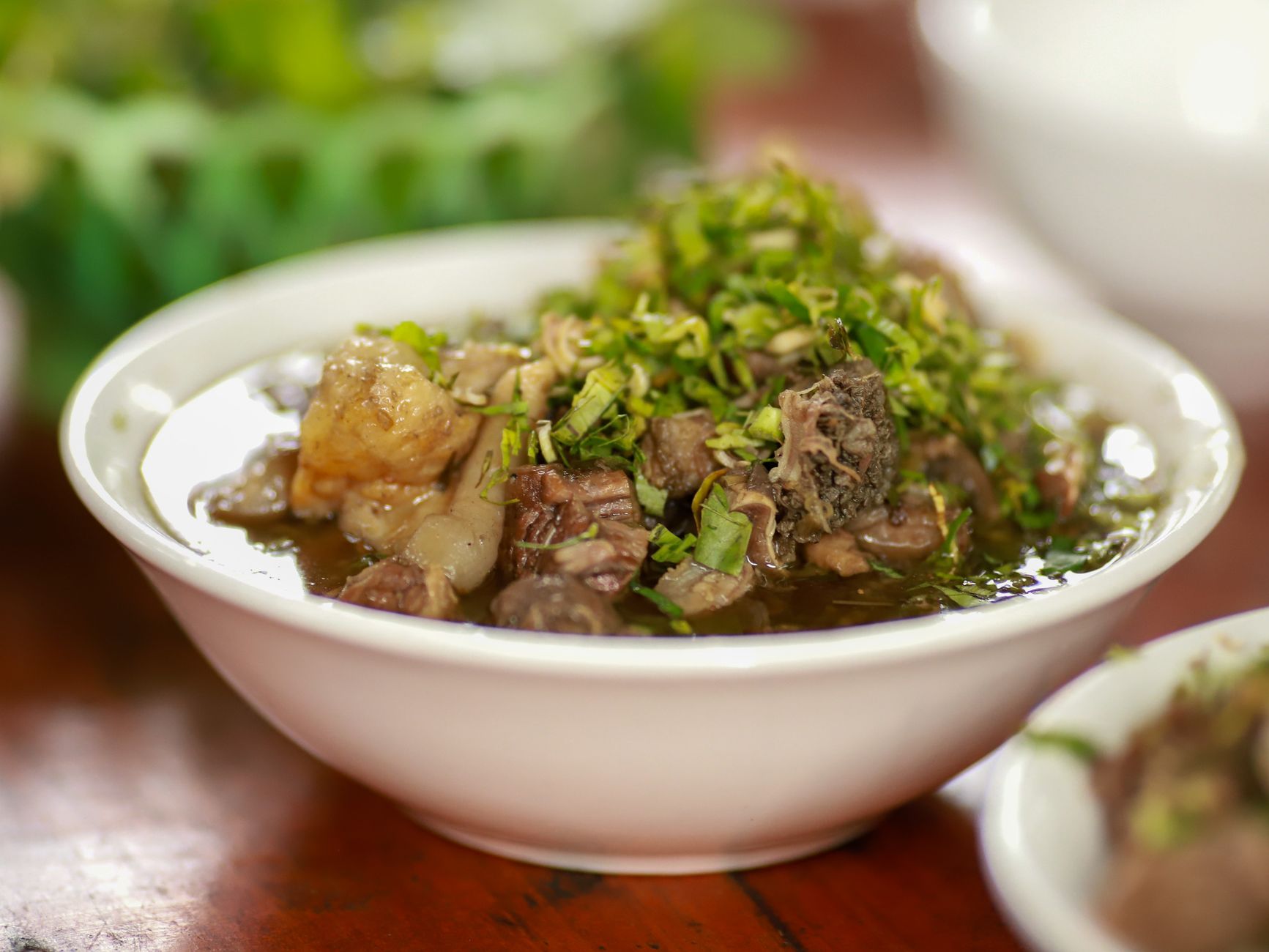
Is horse meat legal? This question brings up a number of considerations, from legal regulations to cultural attitudes surrounding the consumption of horse flesh. Horse meat has been a source of nutrition in various parts of the world but remains a controversial topic in others.
In this article, we’ll explore the legality of horse meat in various countries, its culinary uses, nutritional value, and serving suggestions. By the end, you’ll have a comprehensive understanding of this unique protein source.
Is Horse Meat Legal?
In many countries, horse meat is legal for consumption, while in others, it is restricted or prohibited. In regions such as Europe and parts of Asia, horse meat is available in butcher shops and restaurants. However, in the United States, horse meat is not commonly consumed and is subject to various legal restrictions.
Understanding Horse Meat Regulations
To grasp if horse meat is legal in your area, it’s essential to explore the regulations in different countries:
United States
In the U.S., the slaughter of horses for human consumption is technically not illegal. However, there are significant prohibitions on funding inspections of horse slaughterhouses by the USDA. As a result, no horses are slaughtered for food within the country, leading to a de facto ban on horse meat. Additionally, public sentiment regarding horse meat is generally negative, influenced by the perception of horses as companion animals rather than livestock.
Europe
In Europe, horse meat is legally slaughtered and sold. Countries like France, Italy, and Belgium have long-standing traditions of consuming horse meat. In these regions, it can often be found in supermarkets, specialty butcher shops, and on restaurant menus. The European Union has regulations in place that oversee the production and sale of horse meat, ensuring that it meets health and safety standards.
Asia
In some Asian countries, such as Japan and Kazakhstan, horse meat is a traditional food. In Japan, dishes such as ‘sakura niku’ (raw horse meat) are delicacies. Similarly, in Mongolia and Kazakhstan, horse meat is not only legal but also celebrated as a significant part of the local cuisine. The process of raising and slaughtering horses in these cultures is steeped in tradition.
Other Regions
Horse meat is consumed in parts of Central and South America, particularly in countries like Mexico and Brazil. It remains legal and is prepared in various dishes, though its popularity is not as widespread. Meanwhile, in places like the UK, horse meat is legal; however, consumer preference tends to lean away from its consumption.
Culinary Uses of Horse Meat
Horse meat offers a unique flavor profile and texture, making it an intriguing option for culinary experimentation.
Flavor and Texture
The flavor of horse meat is often described as slightly sweet, with a taste reminiscent of beef. Its texture is leaner than beef, which can make it ideal for certain cooking techniques. Horse meat has a rich, deep color and is known for being lower in fat, providing an interesting alternative for health-conscious consumers.
Cooking Techniques
When it comes to preparing horse meat, there are several cooking techniques you can use:
- Grilling: Cuts of horse meat, such as steaks or chops, can be marinated and grilled to enhance their flavor. The high heat of grilling seals in juices while providing a satisfying charred exterior.
- Slow Cooking: For tougher cuts, slow cooking methods like braising are excellent. This approach breaks down the fibers of the meat, resulting in tender, flavorful dishes.
- Stir-Frying: Thinly sliced horse meat works well in stir-fries, where quick cooking retains its tenderness and flavor.
- Raw Dishes: In cultures where raw horse meat is common, such as in Japan, it can be served as sashimi or in tartare preparations. Always ensure high-quality, safe sourcing when consuming raw meats.
Nutritional Value of Horse Meat
Horse meat is not only flavorful but also offers a variety of nutritional benefits:
Comparison to Other Meats
When comparing horse meat to beef or pork, it typically contains lower fat content while being higher in protein. The nutritional makeup varies based on the cut, but generally, horse meat is an excellent source of:
- Protein: It provides around 20-23 grams of protein per 100 grams, supporting muscle growth and repair.
- Iron: Horse meat has a higher iron content than chicken or pork, making it beneficial for those needing iron-rich diets.
- Vitamins and Minerals: It is rich in B vitamins, aiding energy production and metabolism, as well as essential minerals like zinc and selenium.
Popular Horse Meat Dishes Around the World
Different cultures have unique ways to incorporate horse meat into their culinary traditions. Here are some popular dishes:
France
In France, horse meat is often featured in charcuterie. Dishes such as ‘bifteck de cheval’ (horse steak) and ‘foie de cheval’ (horse liver) are served in bistros and gourmet restaurants. Raw horse meat is also prepared as ‘carpaccio’ or tartare, garnished with capers and onions.
Italy
Italian cuisine offers dishes such as ‘salsiccia di cavallo’, a horse meat sausage seasoned with herbs and spices. Horse meat is commonly used in ragùs and stews, bringing a unique depth of flavor to the dish.
Asian Cuisine
In Japan, horse meat is celebrated as ‘sakuraniku,’ served raw or lightly seared. It is often served with soy sauce and garlic as a delicacy. In Mongolia, horse meat is used in traditional dishes like ‘bansh’ dumplings and ‘buuz’ steamed buns.
Serving Suggestions
Once you have horse meat prepared, consider these serving ideas that enhance its flavor:
- Pair with Red Wine: Horse meat often pairs well with bold red wines, complementing its rich flavor.
- Accompany with Root Vegetables: Roasted or sautéed root vegetables such as carrots and beets add sweetness and texture.
- Fresh Herbs: Season with herbs like rosemary or thyme to elevate the flavors in the dish.
- Spicy Sauces: Horse meat can also be enjoyed with robust sauces, such as chimichurri or spicy mustard, to add depth and heat.
Common Mistakes When Cooking Horse Meat
If you’re trying out horse meat for the first time, here are some common pitfalls to avoid:
- Overcooking: Due to its lower fat content, horse meat can become tough if overcooked. Opt for medium rare doneness to keep the meat tender.
- Neglecting to Marinate: Marinating horse meat helps tenderize it and adds flavor. Consider using acidic ingredients like vinegar or citrus juices for the best results.
- Ignoring Quality: Always source high-quality, humanely raised horse meat to ensure safety and flavor. If you’re unsure about where to buy it, seek out specialized butchers who can provide guidance.
Storage and Safety Measures
Proper storage is essential for maintaining the quality of horse meat:
- Refrigeration: Place horse meat in the refrigerator if you plan to cook it within a few days. Keep it well-wrapped to prevent exposure to air.
- Freezing: For longer storage, horse meat can be frozen for up to six months. Vacuum-sealing is an excellent option to preserve freshness.
- Thawing: Always thaw horse meat in the refrigerator or using cold water. Avoid leaving it at room temperature to reduce the risk of bacterial growth.
Conclusion
Horse meat is a unique and flavorful protein source that can be enjoyed in various culinary traditions. While its legality varies by region, its use in recipes across Europe and Asia showcases its potential in diverse cuisines. If you’re considering trying horse meat, ensure quality sourcing and proper cooking methods to appreciate this delicacy.
For those who are curious about expanding their culinary repertoire, explore related recipes, cooking tips, and food guides for more exciting and diverse ingredients and methods.