
When considering seafood for its health benefits, salmon frequently comes to mind. However, concerns about mercury content often arise. This article delves into whether salmon has a lot of mercury, providing insights to help you make informed choices about this popular fish.
We will explore the types of salmon, their mercury levels, health considerations, and how to incorporate this nutritious fish into your diet safely and sustainably. Understanding these factors ensures you enjoy salmon without unnecessary worries regarding mercury exposure.
Does Salmon Have A Lot Of Mercury?
Generally, salmon has low to moderate levels of mercury compared to other types of fish. Wild-caught salmon typically has less mercury than farmed salmon due to their diet and habitat. Understanding the differences in salmon types and their mercury levels can help navigate seafood choices more effectively.
Types of Salmon and Their Mercury Levels
Salmon comes in several varieties, each with different mercury levels. The main types include wild-caught Pacific salmon, farmed Atlantic salmon, and some lesser-known species. Here’s a breakdown:
- Wild-caught Pacific Salmon (e.g., Sockeye, Coho, King): Wild-caught varieties tend to have lower mercury levels. Studies indicate these types generally average below 0.1 to 0.3 parts per million (ppm) of mercury.
- Farmed Atlantic Salmon: This is the most commonly available salmon but tends to have higher mercury levels than its wild counterparts, averaging around 0.2 to 0.4 ppm. However, it still remains relatively low compared to other fish.
- Chinook Salmon: Known for its rich flavor, Chinook or King salmon can have slightly higher mercury levels compared to other wild-caught varieties but still typically falls below 0.5 ppm.
- Pink Salmon: Often canned, pink salmon is another low-mercury option, averaging around 0.1 to 0.2 ppm.
- Other Pacific Salmon (e.g., Coho, Chum): These options usually have similar mercury levels to pink and sockeye salmon and are considered low-risk choices.
Why Does Mercury Accumulate in Fish?
Mercury accumulates in fish primarily due to their environment. Industrial pollution settles in oceans, rivers, and lakes, converting to methylmercury, an organic form that fish easily absorb. As fish eat smaller organisms contaminated with methylmercury, the levels build up in their tissues, especially in larger predatory fish.
Salmon are relatively low on the food chain and are generally shorter-lived compared to other predatory fish like shark or swordfish, leading to lower mercury accumulation. Various factors influence the mercury content in fish, including species, age, diet, and environment.
Health Implications of Mercury Consumption
Mercury can have harmful effects on human health, particularly concerning neurological development and cognitive function. Pregnant women, nursing mothers, and young children are at a higher risk of mercury exposure, making it crucial to monitor their seafood intake.
Some potential health effects of excessive mercury consumption include:
- Neurological impairment: Mercury affects the nervous system, potentially leading to cognitive deficits and motor skill difficulties.
- Developmental issues in children: High mercury levels can affect fetal and early childhood development, with long-term implications for learning and behavior.
- Cardiovascular issues: Some studies have linked high mercury exposure with increased risk of heart disease.
How Much Salmon Should You Eat?
Due to its health benefits, including omega-3 fatty acids and high protein content, salmon is a valuable addition to a balanced diet. Recent guidelines suggest that it is safe for most individuals to consume 2 to 3 servings of low-mercury fish per week, which can include salmon.
For vulnerable groups, such as pregnant women, the recommendation is often limited to 1 serving of low-mercury fish per week, keeping meals varied to avoid accumulating mercury from multiple sources. Here’s a quick reference for recommended salmon consumption:
- Adults: 2 to 3 servings per week
- Pregnant women: 1 serving per week
- Children: Varies by age and weight, typically around 1 serving every week or two
How to Choose Salmon Wisely
When selecting salmon, a few key considerations can help ensure you are making the healthiest choice. Here are some tips:
- Opt for Wild-Caught Salmon: If possible, choose wild-caught varieties, known for their lower mercury levels and better overall nutrient profiles.
- Look for Certification: Certifications from organizations like the Marine Stewardship Council (MSC) signify sustainable fishing practices, which often correlate with lower mercury exposure.
- Check Origin: Think about the source. Salmon sourced from cleaner waters, such as Alaska, are generally healthier and safer options.
- Consider Canned Options: Canned salmon, especially pink salmon, is often less expensive and lower in mercury, making it a great option for quick meals.
Cooking and Preparing Salmon
How you prepare and cook salmon can enhance its flavor and maintain its nutrition. Here are some popular methods of cooking salmon:
Grilling
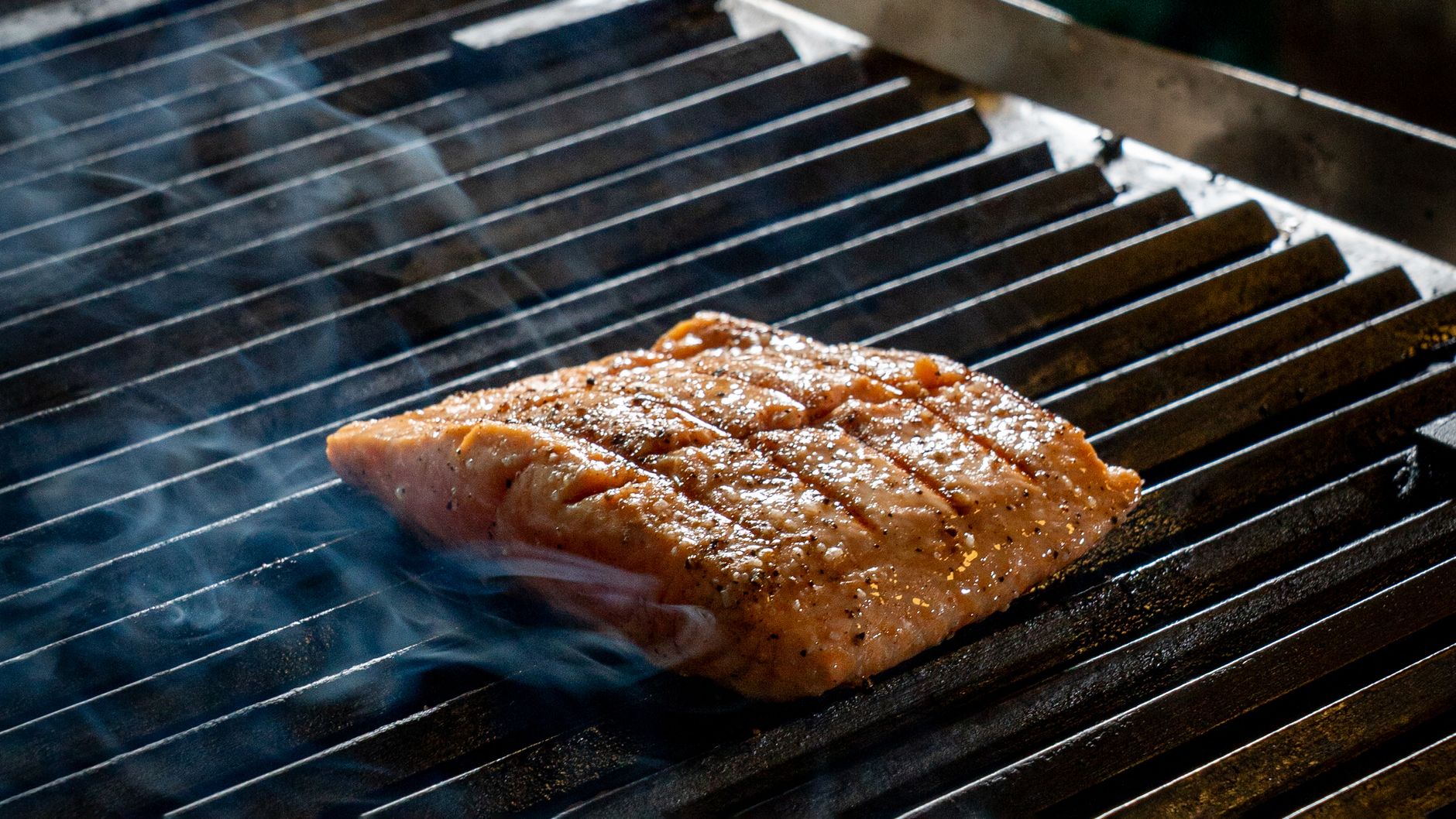
Grilling salmon provides a deliciously smoky flavor. It takes about 6-8 minutes per side on a hot grill. Make sure to use a fish basket to prevent the salmon from falling apart.
Baking
Baking is a straightforward method that allows the salmon to cook evenly. Preheat your oven to 375°F (190°C) and bake for about 20 minutes, or until the fish flakes easily with a fork.
Broiling
Broiling salmon gives a nice crust while keeping it moist inside. Set your broiler to high and broil each side for about 5-7 minutes.
Pan-Seared
Pan-searing salmon allows for a crispy skin texture. Heat oil in a skillet, place skin-side down, and sear for about 4-5 minutes before flipping for an additional 3-4 minutes.
Poaching
Poaching is a gentle cooking method that ensures moist salmon without added fats. Simmer salmon fillets in seasoned liquid for 10-15 minutes.
Salmon Recipe Ideas
Incorporating salmon into your meals is easy and versatile. Here are some delicious recipe ideas:
- Salmon Salad: Flake cooked salmon over a fresh salad with mixed greens, cherry tomatoes, and a zesty lemon vinaigrette.
- Salmon Tacos: Use grilled salmon in soft corn tortillas with avocado, cabbage slaw, and chipotle mayo.
- Salmon Pasta: Toss cooked pasta with sautéed spinach, cherry tomatoes, and flaked salmon in a light garlic cream sauce.
- Baked Salmon with Herbs: Season a salmon fillet with fresh herbs, lemon, and garlic, then wrap in foil and bake.
Common Mistakes When Cooking Salmon
Here are some common pitfalls to avoid when cooking salmon:
- Overcooking: Salmon cooks quickly, and overcooking can lead to dry, tough fish. Monitor cooking times closely.
- Not Removing the Skin: While some prefer salmon skin, removing it allows for a more refined eating experience.
- Inadequate Seasoning: Salmon benefits from robust seasoning. Don’t shy away from herbs, spices, and flavorful toppings.
Storing Salmon
Proper storage of salmon is vital for maintaining its quality and safety. Here are some tips:
- Fresh Salmon: Store in the coldest part of the refrigerator and consume within 1-2 days. Keep it wrapped tightly to prevent air exposure.
- Cooked Salmon: Refrigerate within 2 hours of cooking, in an airtight container. Eat within 3-4 days.
- Frozen Salmon: For longer storage, wrap tightly and freeze. Properly stored, frozen salmon can last for 2-3 months.
Conclusion
Salmon offers impressive health benefits with relatively low mercury levels compared to other seafood options. Understanding the types of salmon, cooking methods, and proper storage techniques will help you enjoy this delicious fish while minimizing any health risks associated with mercury. Aim for moderation, choose wisely, and enjoy the diverse ways you can include salmon in your weekly meal plans.
Explore more about how to tell if salmon is bad or try our delicious salmon loaf recipe for a tasty meal!