
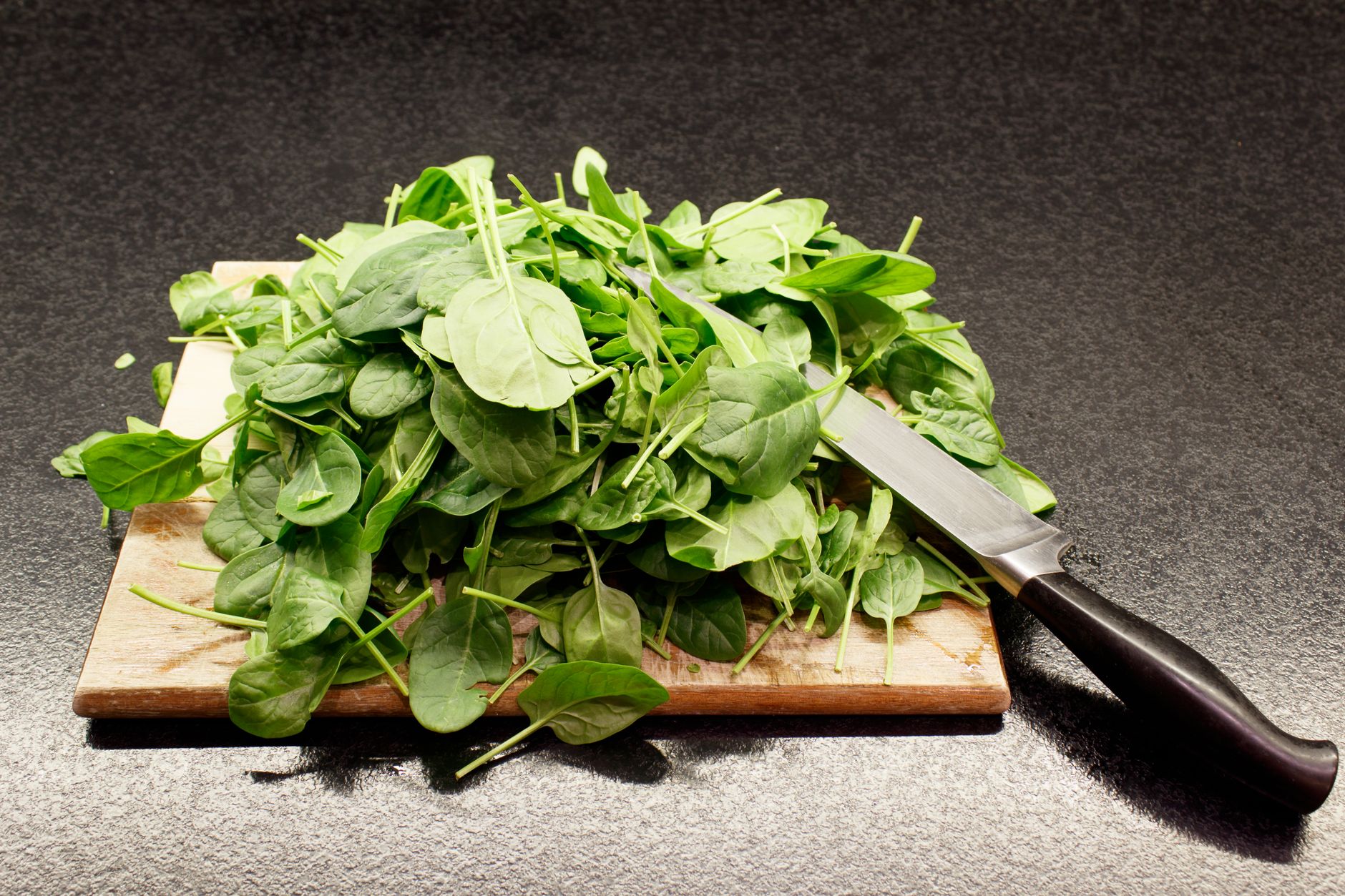
Spinach is often touted as a powerhouse of nutrients, especially for those seeking plant-based sources of iron. But how much iron does spinach truly contain, and is it an effective way to meet your daily iron needs? This article will explore the iron content of spinach, how it compares to other iron sources, and the best ways to incorporate it into your diet.
Iron is an essential mineral important for various bodily functions, including the production of hemoglobin, which carries oxygen in the blood. Understanding the iron content in spinach can help you make informed dietary choices, especially if you’re vegetarian, vegan, or looking for ways to boost your iron intake.
Does Spinach Have a Lot of Iron?
Spinach does contain a significant amount of iron, with approximately 2.71 mg of iron per 100 grams of raw spinach. However, it’s essential to consider the type of iron it offers and the factors that affect its absorption, as spinach contains non-heme iron, which is less readily absorbed by the body compared to the heme iron found in animal products.
Understanding Iron in Spinach
To appreciate spinach’s role in your iron intake, it is vital to understand the types of iron:
- Heme Iron: Found in animal products such as meat, fish, and poultry. It is absorbed more efficiently by the body.
- Non-Heme Iron: Found in plant foods, including spinach. The body absorbs this form of iron less efficiently, which is approximately 2-20% of the iron consumed.
Iron Content in Different Forms of Spinach
The iron content can vary depending on how spinach is prepared and consumed:
- Raw Spinach: Roughly 2.71 mg of iron per 100 grams.
- Cooked Spinach: Cooking spinach significantly reduces its volume, allowing you to consume more in one sitting. Cooked spinach contains about 3.57 mg of iron per 100 grams.
- Frozen Spinach: Typically retains similar levels of iron as cooked spinach, making it a convenient option for meal planning.
Factors Affecting Iron Absorption
Even though spinach is high in iron, several factors can impact how well the body absorbs it:
- Oxalates: Spinach contains oxalic acid, which binds to iron and inhibits its absorption. This means that while spinach has iron, not all of it may be effectively utilized by the body.
- Vitamin C: Consuming vitamin C-rich foods alongside spinach can enhance the absorption of non-heme iron. Consider pairing spinach with citrus fruits, bell peppers, or strawberries.
- Other Nutrients: Foods rich in calcium and tannins (found in tea and coffee) can impede iron absorption. Consuming these at a different time than spinach can be beneficial.
Incorporating Spinach into Your Diet
To maximize your iron intake from spinach, consider the following suggestions:
- Salads: Use raw spinach as a base for salads, adding ingredients rich in vitamin C such as oranges or vine tomatoes.
- Cooking Methods: Sauté or steam spinach lightly. Cooking it reduces oxalate levels and enhances iron availability.
- Smoothies: Blend spinach into smoothies with fruits high in vitamin C. This not only masks the earthy flavor of spinach but also boosts nutrient content.
- Soups and Stews: Add spinach to soups and stews. This not only increases iron intake but adds fiber and flavor.
Comparing Spinach with Other Iron Sources
While spinach does contain iron, it is necessary to see how it compares to other food sources:
| Food Item | Iron Content (mg per 100g) |
|---|---|
| Red Meat (beef) | 2.6 – 3.0 |
| Chicken (breast) | 1.0 |
| Fish (salmon) | 0.5 |
| Chickpeas | 2.9 |
| Lentils | 3.3 |
| Fortified Cereals | 4.0 – 20.0 (varies by brand) |
| Pumpkin Seeds | 3.3 |
Key Takeaways from the Comparison
While spinach is a valuable source of iron, it is comparable to other plant-based options like lentils and chickpeas. However, for individuals who need to closely monitor their iron levels, incorporating a wide array of iron-rich foods alongside spinach can help meet dietary needs.
Common Spinach-Related Myths
Myth 1: Spinach is the Best Source of Iron
While it is often touted as a superfood, spinach contains non-heme iron, which is less absorbable than heme iron from meat sources. It is essential to balance those diets and consider a variety of foods.
Myth 2: Cooking Spinach Reduces Its Nutritional Value
Cooking spinach can actually increase the availability of certain nutrients, including iron. Steaming or sautéing can decrease oxalate levels while preserving the vital vitamins.
Practical Tips for Maximizing Iron Intake from Spinach
Here are some practical tips for incorporating spinach and maximizing your iron intake:
- Combine with Vitamin C: Always pair spinach with vitamin C sources like bell peppers, tomatoes, or a squeeze of lemon juice.
- Optimize Cooking Methods: Opt for steaming or sautéing with a touch of healthy fat to enhance absorption.
- Eat with Iron-Rich Foods: Mix spinach salads with other iron-rich foods like beans or fortified grains.
- Stay Hydrated: Drink water instead of coffee or tea with meals high in non-heme iron to improve absorption.
Iron Deficiency and Its Impact
Iron deficiency is one of the most common nutritional deficiencies worldwide. It can lead to anemia, characterized by fatigue, weakness, and decreased immune function. Symptoms can range from mild to severe and may require dietary changes or supplements.
How to Identify Iron Deficiency
Common signs of iron deficiency include:
- Fatigue and weakness
- Pale skin
- Shortness of breath
- Dizziness or lightheadedness
- Brittle nails
When to Seek Medical Advice
If you suspect you may have iron deficiency, consult a healthcare provider for testing. Dietary adjustments may improve iron levels, but in some cases, iron supplements may be necessary.
Takeaway: How to Incorporate Spinach Into Your Diet
Despite its oxalate content, spinach remains an excellent addition to a balanced diet. To best incorporate it, consider blending it into smoothies, using it in salads paired with vitamin C-rich foods, and cooking it into meals to enhance its nutrient availability.
Ultimately, while spinach can be a valuable source of iron, it’s essential to balance it with other iron-rich foods. For a more comprehensive approach to iron intake, consider including spinach along with other sources like legumes, seeds, and fortified products.
To further explore spinach and related content, consider checking out how much protein is in spinach or try a delicious Knorr spinach dip recipe for a tasty way to enjoy this nutritious green.