
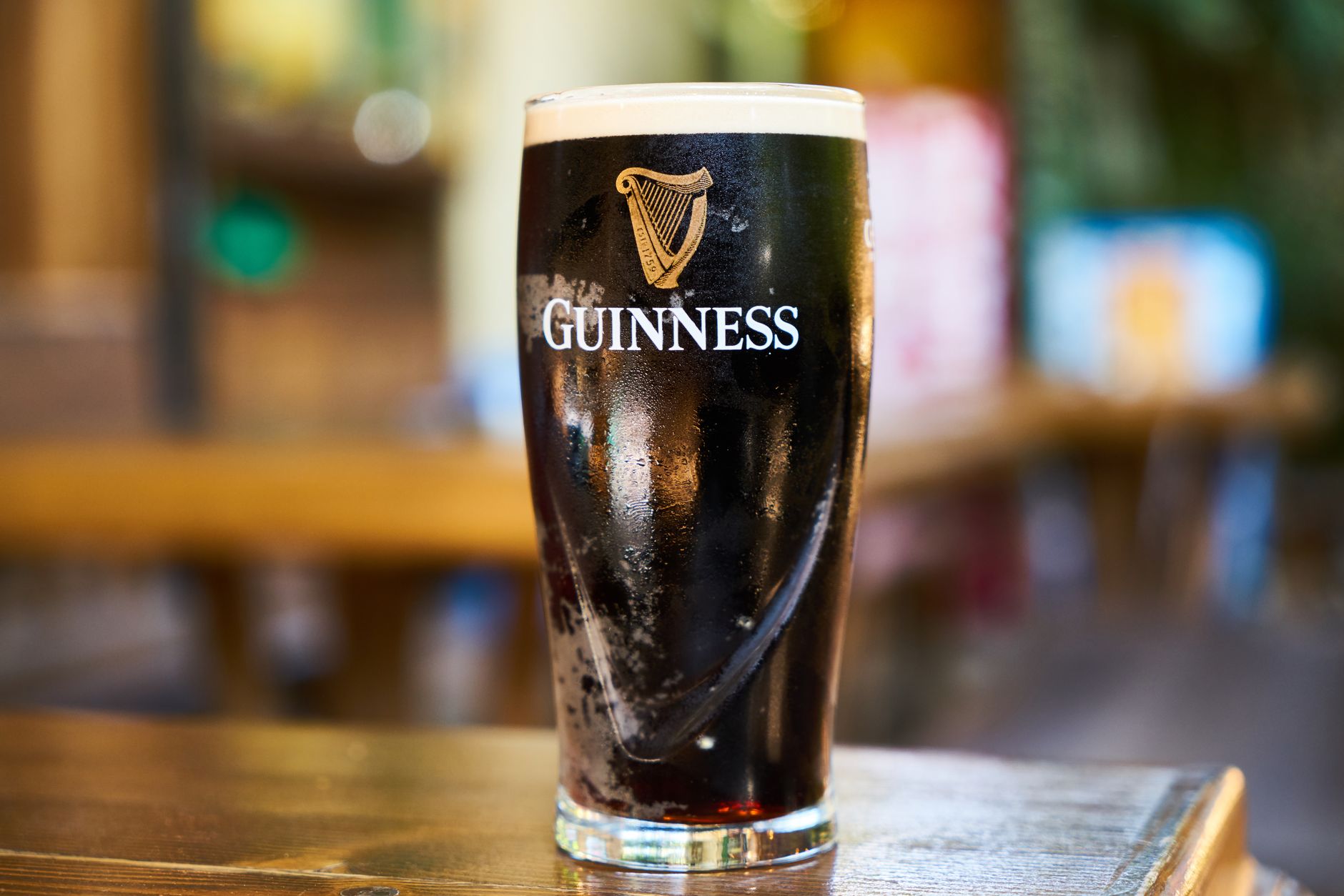
The question of whether Guinness is vegan has piqued the interest of many beer enthusiasts, especially those adhering to a vegan lifestyle. This iconic Irish stout is renowned for its rich flavor and deep color, but what lies behind that iconic brew? Are the ingredients and processing methods compatible with vegan principles?
Understanding whether Guinness is vegan requires a closer look at its ingredients, how it’s made, and any potential animal-derived substances used in its production. In this article, we will explore the intricacies of Guinness production, examine related ingredients, and discuss suitable alternatives for those who prefer vegan options.
Is Guinness Vegan?
Guinness is not considered vegan due to the traditional use of isinglass, a fining agent derived from fish bladders, in the filtration process. Despite this practice, the company has begun to produce some versions of Guinness using alternative fining agents, making them suitable for vegan consumers. However, it is essential to check labels or company announcements to confirm the current production methods.
Understanding the Ingredients of Guinness
To determine if a beverage is vegan, it’s important to review its individual components. The standard ingredients in Guinness include:
- Water
- Barley
- Hops
- Yeast
- Isinglass (in some cases)
Water
The primary ingredient in Guinness is fresh water, sourced from the River Liffey in Dublin. Water quality plays a vital role in the brewing process and the overall flavor profile of the beer.
Barley
Barley is malted and roasted, which imparts Guinness’s characteristic dark color and rich, roasted flavor. The malting process involves soaking the barley in water, allowing it to germinate, and then drying it. This process does not involve any animal products.
Hops
Hops are the flowers used to impart bitterness and aroma to the beer. They are purely plant-based and do not present any vegan concerns.
Yeast
Yeast is responsible for fermentation, converting sugars from the barley into alcohol. Most commercial yeasts used in brewing are not derived from animals, making them vegan-friendly.
Isinglass
Isinglass is a fining agent historically used in the brewing process for clarity. While it helps in removing particulates, its source from fish bladders raises concerns for vegan consumers. It’s worth noting that many breweries, including Guinness, have started opting for alternative vegan fining agents in their production.
Are There Vegan Versions of Guinness?
Guinness has made strides in recent years to accommodate vegan consumers. Some of their newer products are being made without isinglass. Many brewers are also transitioning to using plant-based fining agents such as:
- Silica gel
- Gelatin alternatives
- Carbon and other filtration methods
However, it’s essential to check the labels or company communications about specific products to ensure they meet vegan standards. Popular varieties like Guinness Draught and Foreign Extra Stout may differ in their ingredients and processes, so verification is key.
What Other Ingredients Should Vegans Watch Out For?
When considering a vegan-friendly product, it’s not just about checking for isinglass. Other ingredients or practices may also be of concern. Here are a few additional components to be aware of in various beers:
- Honey: Some breweries may use honey for flavoring, which is not vegan.
- Milk Sugar (Lactose): Found in milk stouts, it gives sweetness and creaminess but is not suitable for vegans.
- Flavorings: Some beers might have flavor additives or extracts that may not be vegan.
How to Know if Your Beer is Vegan?
With many variations in brewing practices, it’s important for consumers to do their research. Here are some strategies to determine if a beer is suitable for a vegan diet:
- Label Reading: Always read the labels carefully. Many producers will indicate if their product is vegan.
- Check the Brewery’s Website: Many breweries have FAQs or specific product details about their brewing processes.
- Vegan Certifications: Look out for any vegan certifications on the packaging.
- Contact the Brewery: If in doubt, reach out directly to the brewery for clarity on their ingredients and processes.
Popular Vegan Beer Alternatives
If you’re looking for beers that are confirmed vegan and carry a similar flavor profile as Guinness, consider these options:
- Brewdog Elvis Juice: A grapefruit-infused IPA with a hoppy bite.
- Samuel Smith’s Oatmeal Stout: Offers a rich coffee and chocolate flavor without animal products.
- Sierra Nevada Pale Ale: A classic American pale ale that’s completely vegan.
Pairing Vegan Foods with Beer
Complementing your beer with suitable vegan meals can enhance your overall experience. Here are some pairing suggestions:
- Spicy Vegan Chili: The heat of chili harmonizes well with the malty profile of stouts.
- Grilled Vegetable Skewers: The smoky flavor complements the bitterness of hoppy beers.
- Vegan Tacos: Crispy tacos filled with beans and avocado pair well with IPAs.
Common Mistakes When Choosing Vegan Beer
When exploring vegan beer options, there are common pitfalls to avoid:
- Assuming All Craft Beers are Vegan: Each brewery may have its own practices; don’t make assumptions without checking.
- Disregarding Ingredients: Always scrutinize the list of ingredients as some beers may include animal-derived components.
Conclusion
In summary, while traditional Guinness is not considered vegan due to the use of isinglass, alternatives and new formulations are becoming available that meet vegan standards. As the craft beer landscape evolves, so do the practices surrounding brewing, with more breweries exploring vegan-friendly options. Checking labels and company practices ensures a better selection for those adhering to a vegan lifestyle. Enjoying a well-crafted beer can complement a delightful meal, enhancing the overall culinary experience.
If you’re looking for further recipes and guidelines, explore our articles on what you can substitute for Worcestershire sauce or learn if chocolate is vegan!