
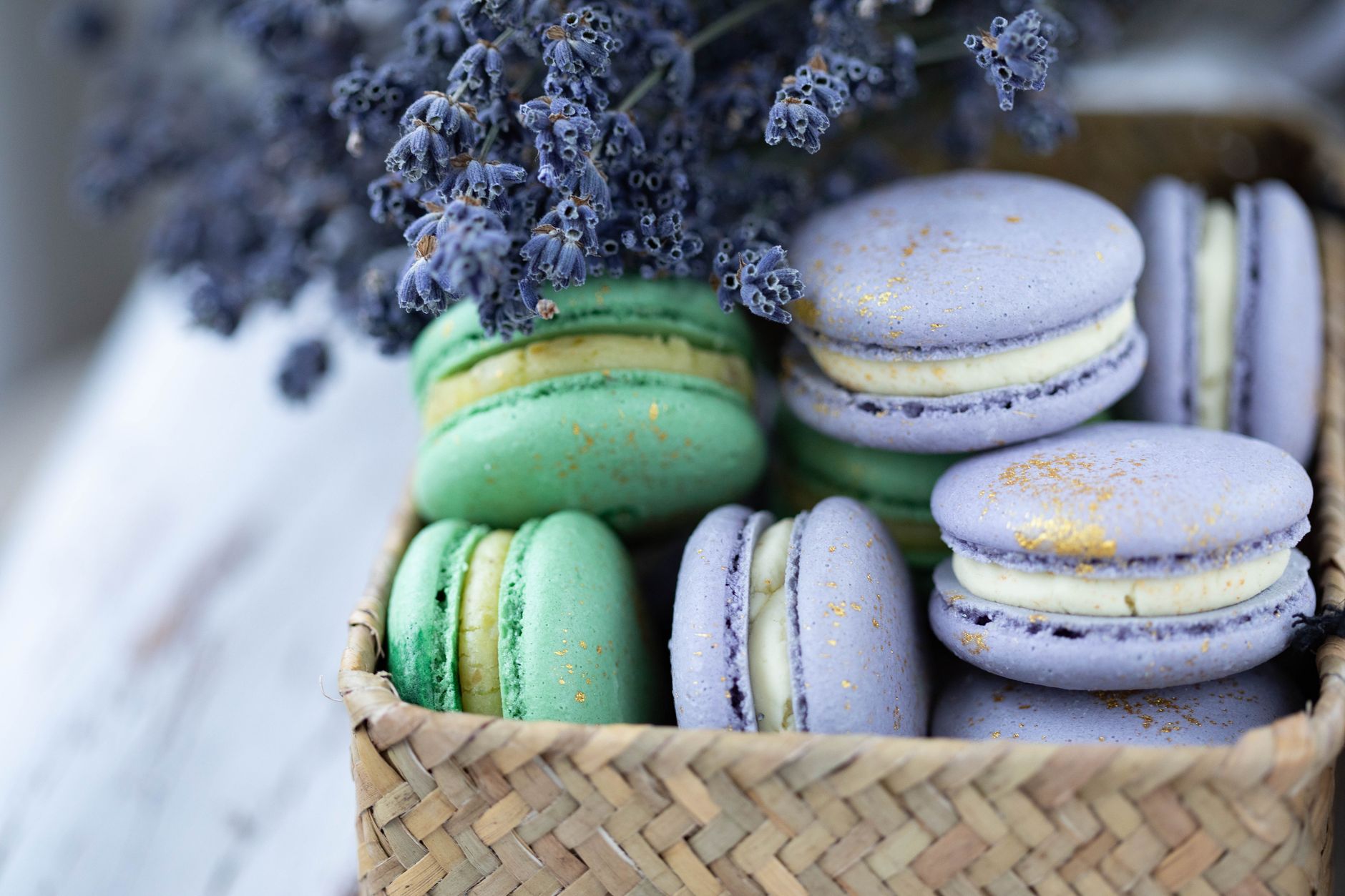
When it comes to herbs, lavender is often associated with fragrances and relaxation. However, this versatile plant also holds culinary potential. Many may wonder, which types of lavender are edible, and how can they be used in cooking? Understanding the edible varieties of lavender, their flavor profiles, and cooking uses can elevate your dishes and desserts.
In this guide, we will explore which lavender species are suitable for culinary use, their unique flavors, and practical tips for incorporating them into your cooking. Whether you want to infuse a dish with floral notes or create a calming herbal tea, lavender could add a delightful touch.
Which Lavender Is Edible?
Several species of lavender are considered edible, with Lavandula angustifolia (English Lavender) being the most commonly recommended for culinary purposes. Other varieties, such as Lavandula stoechas (Spanish Lavender) and Lavandula latifolia (French Lavender), are also edible, but they tend to have a stronger flavor that may not be suitable for all palates.
Here are the most popular edible lavender varieties:
- English Lavender (Lavandula angustifolia): This is the most commonly used variety in cooking. It has a sweet, floral flavor and is often used in baked goods and herbal teas.
- French Lavender (Lavandula latifolia): This variety is known for its stronger, more camphor-like flavor. It’s less commonly used in cooking but can add an aromatic element to dishes when used judiciously.
- Spanish Lavender (Lavandula stoechas): With a distinct flavor and aroma, it can enhance savory dishes but can be overpowering if not careful.
Flavor and Aroma Profiles of Edible Lavender
Understanding the flavor and aroma profiles of edible lavender varieties helps in selecting the right one for your dish. Here’s a closer look at their characteristics:
1. English Lavender (Lavandula angustifolia)
English Lavender is the most popular choice due to its mild, sweet flavor and pleasant aroma. It often features notes reminiscent of rosemary and mint, making it versatile for a variety of dishes from sweets to savory items.
2. French Lavender (Lavandula latifolia)
French Lavender has a more robust flavor, often described as herbal with a hint of eucalyptus. Its powerful aroma can enhance but can also dominate a dish if not used sparingly.
3. Spanish Lavender (Lavandula stoechas)
Spanish Lavender has a unique flavor profile that combines sweetness with a slight bitterness. It is aromatic and best suited for creative culinary applications where its character can shine without overwhelming other flavors.
Cooking Uses for Edible Lavender
Edible lavender can be used in many creative ways. Below are some suggestions for incorporating lavender into your cooking:
1. Baking
Lavender is a wonderful addition to baked goods. Use dried culinary lavender to enhance the following items:
- Cakes: Lavender can be infused in cake batter or used as a decoration. It pairs well with lemon or honey-flavored cakes.
- Cookies: Lavender shortbread cookies offer a delicate balance of sweetness and floral notes.
- Muffins: Add a sprinkle of lavender to blueberry muffins for a surprising aromatic twist.
2. Beverages
Lavender-infused drinks are refreshing and can be enjoyed hot or cold. Some popular options include:
- Herbal Teas: Steep dried lavender in hot water for a calming tea; consider adding honey and lemon for extra flavor.
- Cocktails: Lavander can be used in syrups or muddled into drinks like gin and tonic or a lavender mojito.
- Lemonades: Combine lemon juice, water, sugar, and lavender to create a refreshing lavender lemonade.
3. Savory Dishes
While lavender is often thought of as a sweet herb, it can enhance savory dishes as well:
- Roasted Vegetables: Use lavender as part of a seasoning blend for roasted vegetables, especially root vegetables.
- Meats: Lavender pairs well with lamb, chicken, and fish; consider using it in marinades or rubs.
- Stews and Sauces: Adding a touch of lavender to sauces or stews can introduce a subtle depth of flavor.
4. Jams and Preserves
Lavender can flavor jams and preserves, especially those made with berries or stone fruits. The floral notes bring out the fruit’s sweetness, adding complexity.
How to Use Lavender in Cooking
Using lavender in cooking is simple, but there are a few tips to keep in mind to ensure balanced flavors:
1. Use Culinary-Grade Lavender
Always choose culinary-grade lavender, as some lavender varieties sold for ornamental use may have been treated with pesticides or chemicals that are unsafe for consumption.
2. Start with Small Quantities
Lavender has a strong flavor, so it’s best to start with a small amount and increase to taste. It’s easier to add more than to remove an overpowering lavender flavor.
3. Complementary Flavors
Pair lavender with flavors such as lemon, honey, vanilla, and herbs like rosemary and thyme. These combinations often enhance the overall dish.
Common Mistakes to Avoid When Using Lavender
While incorporating lavender into your dishes can yield delightful results, there are common pitfalls to avoid:
- Using Too Much: As previously mentioned, lavender’s potent flavor means that using excessive amounts can easily overwhelm a dish. Use sparingly.
- Not Grinding Dried Lavender: For recipes that require a fine texture, grind dried lavender buds before adding them to prevent large pieces from ruining the dish’s texture.
- Using Non-Culinary Varieties: Always double-check that the lavender you’re using is safe to eat.
Storing Edible Lavender
Proper storage is essential to maintain the flavor and aroma of lavender. Consider the following guidelines:
- Dried Lavender: Keep dried lavender in an airtight container, away from light and moisture. Stored correctly, it can last up to a year.
- Fresh Lavender: Store fresh lavender in the refrigerator in a plastic bag. Use it within a week for optimal flavor.
- Infused Oils and Syrups: Store infused oils or syrups in a cool, dark place, and use them within a few months.
Topics to Explore Further
Understanding lavender’s culinary potential opens up a world of flavorful possibilities. Here are a few related topics that can enhance your culinary experience:
- Herb Pairings: Learn which herbs complement lavender in various dishes.
- Herb Gardening: Tips for growing your own culinary herbs, including lavender.
- Infused Oils and Honey: Instructions on how to create infused oils and honey with lavender.
Essentially, lavender is not just an aromatic plant; it can also be a delicious ingredient in various recipes. Whether you want to bake lavender cookies, create an invigorating drink, or enhance a savory dish, understanding which lavender is edible and how to use it will allow you to harness its floral essence confidently. Explore the world of edible lavender and let your culinary creativity flourish.
For more cooking tips and flavorful kitchen ideas, explore our other guides and recipes online. Discover amazing ideas from our cooking tips, seasoning blends, and herb gardening pages.