
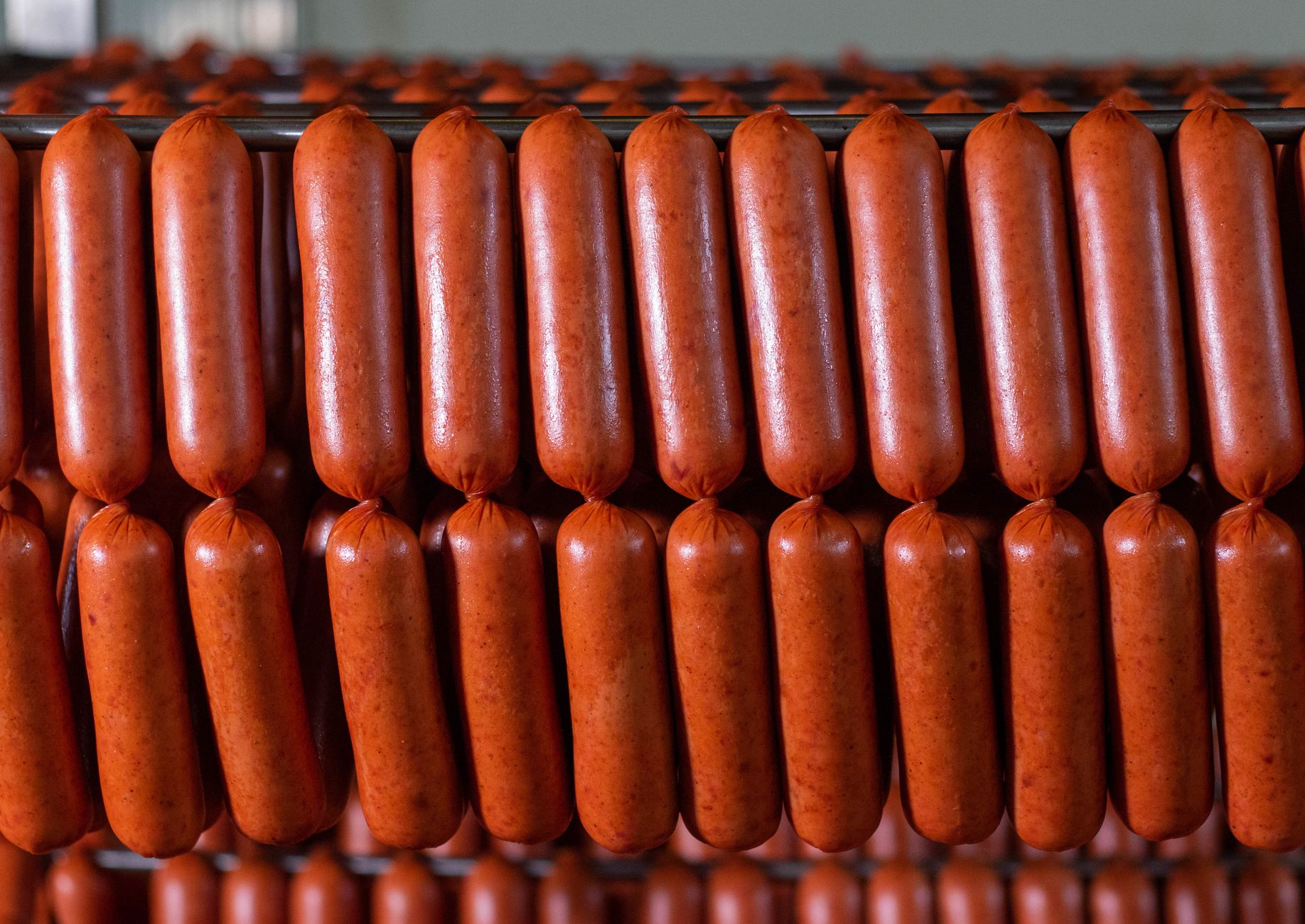
Understanding what minimally processed meat means is essential in today’s food landscape, where consumers are increasingly aware of their food choices. This term generally describes meat that has undergone little alteration from its original state, maintaining its natural characteristics while being prepared for consumption.
In this article, we will delve into the definition, origins, history, and practical aspects of minimally processed meat. By doing so, you’ll be more informed about your options and how to incorporate these meats into your diet effectively.
What Does Minimally Processed Meat Mean?
Minimally processed meat refers to meat products that have undergone basic transformations, such as cutting, grinding, or curing, without the addition of artificial ingredients or extensive processing techniques. It retains its fundamental properties and nutritional profile, unlike highly processed meats.
Common examples of minimally processed meats include whole cuts of beef, pork, lamb, and poultry, as well as ground meats that don’t contain any additives. The goal of minimal processing is to enhance the shelf life and convenience of meat without significantly altering its flavor, texture, or health benefits.
The Importance of Minimally Processed Meat
Understanding minimally processed meat’s role in your diet is essential for several reasons. This meat type typically maintains its natural flavors and textures, often leading to more satisfying meals. Consumers are increasingly drawn to it because desire to eat more natural, wholesome foods drives the demand for minimally processed options.
Moreover, minimally processed meats often have healthier profiles compared to their heavily processed counterparts. They typically contain fewer preservatives, artificial flavors, and other chemicals, making them a more appealing choice for health-conscious individuals.
The Origins of Meat Processing
The practice of processing meat has ancient origins, dating back thousands of years. Early humans would hunt animals and either consume the meat immediately or preserve it using methods such as drying, smoking, or salting. Initially, these techniques aimed to prolong the shelf life of meat in a world without refrigeration.
As time went on, the industrial revolution introduced mechanized methods for processing meat, leading to a significant evolution in how meat was prepared and consumed. These advancements have greatly increased the variety, availability, and convenience of meat products in modern diets. Importantly, this industrialization has also brought forth highly processed meats, prompting a growing interest in returning to more traditional, minimally processed methods.
Understanding Meat Processing Techniques
To further grasp the concept of minimally processed meat, it is useful to understand the various processing techniques. Here are several common methods that characterize minimal processing:
- Cutting: The simplest form of processing involves breaking down large cuts of meat into smaller, more manageable pieces. This step does not alter the meat’s nutritional content or flavor.
- Grinding: Grinding meat into minced forms allows for various dishes, including burgers and meatloaf. When done without additional ingredients, it remains a minimally processed option.
- Marinating: Marinades may enhance flavor without significantly processing the meat if they consist of natural ingredients such as herbs, spices, or acidic components like vinegar or citrus.
- Curing: This technique preserves meat through salt, sugar, or smoke. Traditional cured meats like prosciutto are minimally processed when crafted using only these elements.
- Smoking: Like curing, smoking can enhance flavor and shelf life. When applied without preservatives or artificial flavors, smoking is compatible with the minimally processed label.
Recognizing Minimally Processed Meats in the Market
When purchasing meats, it is essential to differentiate between minimally processed and more heavily processed varieties. Here are ways to recognize minimally processed meats:
- Labels: Look for descriptions such as “natural,” “no added preservatives,” or “minimally processed.” They guide consumers toward healthier options.
- Ingredient Lists: Check the ingredient lists. Minimally processed meats typically have few or no additives. If you see long lists of chemicals or preservatives, it’s likely a highly processed item.
- Whole Cuts: Whole cuts of meat, such as chicken breasts, pork chops, or beef steaks, are typically minimally processed.
Popular Types of Minimally Processed Meats
There are several varieties of minimally processed meats to consider incorporating into your eating habits:
- Beef: Options like steaks, roasts, and ground beef without additives fall under the minimally processed category. Look for grass-fed varieties where possible for added health benefits.
- Pork: Fresh pork chops, tenderloins, and ground pork are generally minimally processed, particularly if they bear minimal or no added ingredients.
- Poultry: Whole chickens or turkey and chicken breasts without additives or fillers are ideal minimally processed options, providing lean protein sources.
- Lamb: Cuts like leg, rack, and shoulder of lamb can often be found minimally processed in many markets.
- Fish and Seafood: Fresh or frozen fish is typically considered minimally processed, especially when free from added preservatives or sauces.
Incorporating Minimally Processed Meat into Your Diet
Adding minimally processed meat to your meals can enhance both flavor and nutrition. Here are some practical tips for incorporating it effectively:
Meal Planning
When meal planning, think about how to integrate these meat types throughout the week. Here’s an example of a simple meal plan utilizing minimally processed meats:
- Monday: Grilled chicken breasts with roasted vegetables.
- Tuesday: Beef stir-fry with mixed bell peppers and brown rice.
- Wednesday: Baked salmon with quinoa and steamed broccoli.
- Thursday: Pork tenderloin with garlic mashed potatoes and green beans.
- Friday: Lamb burgers served on whole-grain buns with a fresh side salad.
Creative Cooking Techniques
When cooking with minimally processed meats, a few techniques can enhance flavor and tenderness:
- Marination: Consider marinating meats overnight to enhance flavor. Use natural marinades, such as yogurt-based or citrus-based solutions.
- Slow Cooking: Cuts like chuck roast or pork shoulder can be made tender and flavorful with slow cooking methods.
- Grilling: Grill lean meats, such as chicken or pork, for a delicious smoky flavor.
Storage and Safety Tips for Minimally Processed Meats
Ensuring that your minimally processed meats remain safe and flavorful is crucial. Here are some essential tips for storage and handling:
- Refrigeration: Store meats in the refrigerator at temperatures below 40°F (4°C). Use within a few days of purchase, or freeze for extended shelf life.
- Freezing: If freezing, wrap the meat tightly in plastic wrap or aluminum foil before placing it in a freezer-safe bag. Properly stored, it can last for several months in the freezer.
- Thawing: Always thaw meats in the refrigerator or a controlled environment rather than at room temperature to prevent bacterial growth.
Cooking Temperatures for Safety
To ensure food safety, it’s essential to cook meats to the proper internal temperatures. Use a food thermometer to check doneness:
- Beef, Pork, and Lamb: 145°F (63°C)
- Poultry: 165°F (74°C)
- Fish: 145°F (63°C)
Common Mistakes to Avoid
While working with minimally processed meats, it’s vital to avoid some common pitfalls:
- Overcooking: Minimally processed meats can lack the preservatives found in heavily processed counterparts, so they may dry out more quickly. Monitor cooking times carefully.
- Ignoring Labels: Don’t overlook labeling information. Ensure you’re making informed decisions based on how meat is processed.
- Improper Storage: Avoid leaving meats unrefrigerated or thawing them at room temperature, as this can lead to spoilage.
Minimally Processed Meat and Dietary Considerations
As with any food choice, it’s essential to consider dietary preferences and restrictions. Here are some notes regarding minimally processed meats:
- For Families: Including minimally processed meats can provide essential nutrients to growing children, balancing protein needs with simple ingredients.
- For Special Diets: Individuals following low-carb, high-protein, or paleo diets often find that minimally processed meats fit well within their guidelines.
- For Allergies: Always check for cross-contamination and choose products from reputable sources to assure quality.
Final Thoughts on Minimally Processed Meat
Minimally processed meat represents a return to simpler, more natural choices in our diets. Understanding its definition, origins, and various characteristics allows consumers to make informed decisions about their meat consumption. Incorporating these meats into meal planning can lead to delicious and nutritious meals that excite the palate and nourish the body.
As you explore the world of minimally processed meats, consider pairing your choices with good cooking practices and proper storage techniques. This approach not only enhances flavors and textures but also ensures food safety and enjoyment.
For more tips on meat storage, check out this guide on how long ground beef is good for in the fridge. If you’re looking for delicious flavor enhancers, explore this tasty meatloaf seasoning recipe for new ideas in the kitchen.