
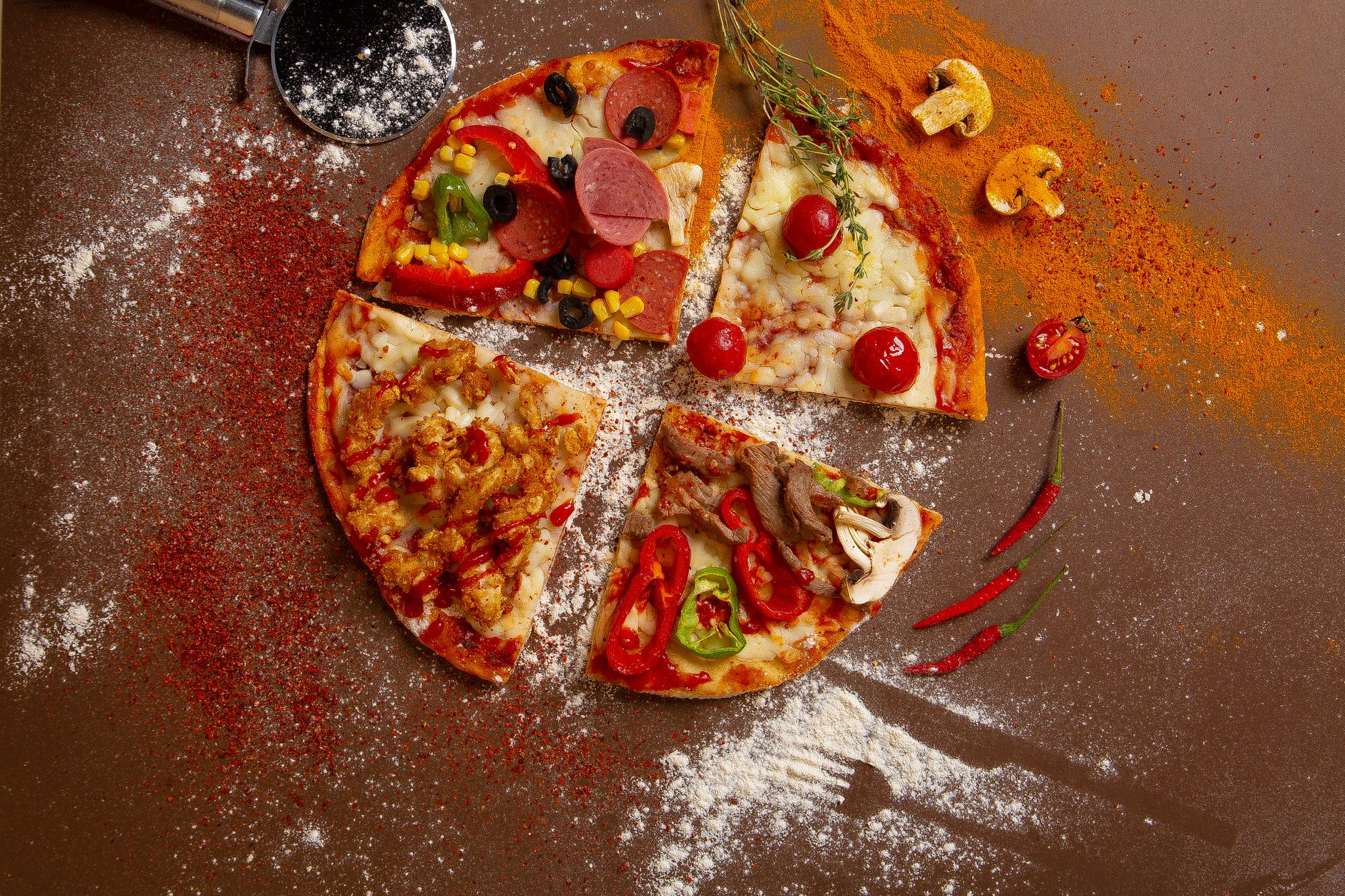
Pizza is a beloved dish worldwide, known for its variety of toppings, cheeses, and crispy crusts. But when it comes to the question of whether pizza qualifies as soft food, the answer isn’t straightforward. The answer varies widely depending on the type of pizza and how it’s prepared. Understanding these differences can help when planning meals for those requiring soft foods for dietary reasons.
This article explores the texture of pizza, its different types, and offers insights into its classification as soft food. From classic options to alternatives suitable for specific dietary needs, you’ll find useful information on serving and enjoying pizza in a way that suits everyone.
Is Pizza Soft Food?
Pizza can be considered both soft and hard food depending on its construction. Traditional pizzas with a chewy or crispy crust, depending on baking time and technique, may be classified as hard food. However, pizzas made with a softer crust or toppings can certainly be classified as soft food, making them suitable for those who need easier-to-chew options, such as the elderly or individuals recovering from dental surgery.
Understanding Pizza Types and Their Textures
When considering if pizza is soft food, it helps to understand the range of pizza types available and their textures. Here are some common types of pizza:
1. Neapolitan Pizza
This classic Italian pizza features a thin crust that is both chewy and slightly charred. The toppings are minimalistic, often consisting of tomatoes, mozzarella cheese, fresh basil, and olive oil. While the edges are somewhat crispy, the center remains soft, making Neapolitan pizza a contender for soft food.
2. New York-Style Pizza
New York-style pizza has a thin, foldable crust that becomes crispy towards the edges. While the outer crust has some crunch, the middle remains soft and pliable. This style can be made softer by using less time in the oven and varying dough thickness, hence making it a nice option for soft-food diets.
3. Chicago Deep-Dish Pizza
In contrast to Neapolitan and New York-style pizzas, Chicago deep-dish features a thick, buttery crust that is baked in a deeper pan. The pizza is layered with cheese, toppings, and sauce. The softer crust and ample cheese create a soft food option, particularly if allowed to cool slightly before consumption.
4. Sicilian Pizza
Known for its thick crust, Sicilian pizza is airy and has a golden, crispy bottom. The toppings can be substantial, leading to a dish that’s both filling and soft if made with minimal crustiness. However, its thickness can make it somewhat chewy, so preparation methods will influence its soft food classification.
5. Flatbread Pizza
Flatbread pizzas offer a versatile option, as the dough is typically softer and thinner. With a variety of toppings, including vegetables, cheese, and meats, the texture leans towards being soft. This type is an excellent choice for those requiring a softer eating experience.
Factors Affecting Pizza Softness
Several factors influence whether pizza can be classified as soft food:
- Crust Thickness: Thicker crusts tend to be harder and chewier, while thinner crusts can be softer and more pliable.
- Baking Time: Shorter baking times can yield a softer crust, while over-baking will make it tough and crispy.
- Toppings: The amount and type of toppings can also affect the overall texture. Cheesy or saucy pizzas are generally softer.
- Cooling Time: Allowing pizza to cool slightly can reduce toughness, causing cheese and toppings to settle and blend into the crust.
- Ingredient Quality: Utilization of high-quality, fresh ingredients can impact moisture and smoothness in the final product.
How to Make Pizza Softer
For those who wish to create softer pizza options, here are some tips to ensure a tender crust and delightful toppings that meet soft food criteria:
1. Choose the Right Flour
Using a softer flour, such as cake or all-purpose flour instead of bread flour, can help create a softer texture. You may also try adding a small amount of vital wheat gluten to improve the structure without making it tough.
2. Experiment with Dough Hydration
Higher hydration dough can lead to airier and softer crusts. Aim for a hydration level of 60-65% or above for a softer texture, remembering that adjustments to kneading and resting times may be necessary.
3. Shorten Baking Time
Monitor the pizza closely to avoid over-baking. A few minutes less in the oven can make all the difference in texture, leading to a softer, tender crust.
4. Consider Using a Pizza Stone
A pizza stone or baking steel can promote even cooking and help retain moisture within the crust. Preheating the stone can also prevent excessive crisping.
5. Add Moisture Post-Baking
After baking, consider lightly brushing the crust with olive oil or garlic butter. This addition can keep moisture within the dough, reducing dryness.
Serving Ideas for Soft Pizza
To make pizza more appealing for those who require soft foods, you can implement various serving ideas, such as:
1. Cut into Smaller Pieces
Serving pizza in small, manageable pieces can help individuals more easily enjoy the meal while minimizing strain while chewing.
2. Offer Dipping Sauces
Adding a side of soft dips, like marinara or ranch, can enhance flavor and moisture, making each bite more enjoyable.
3. Pairing with Soft Sides
To round out the meal, serve with softer side items, such as mashed potatoes, soft cheeses, or creamy soups, creating a cohesive dining experience.
4. Create Personal Pizzas
Individual-sized pizzas, flattened to achieve a softer texture, can be customized to personal preferences, ensuring a delightful experience tailored to dietary needs.
5. Make Pizza Casseroles
Consider creating a pizza casserole, where cooked pasta, pizza sauce, cheeses, and toppings are layered and baked. The resulting dish is softer and easier to eat compared to traditional pizza.
Common Mistakes and Troubleshooting
When making softer pizza, there are a few common mistakes to avoid:
- Over-kneading the Dough: This could lead to a dense crust with a tougher bite. Knead just until the dough is smooth and elastic.
- Using Too Much Flour on the Work Surface: Excess flour during rolling can dry out the dough, preventing softness. Keep a light hand when sprinkling flour to avoid moisture loss.
- Failing to Allow Dough to Rise: Skipping the rising step can diminish flavor and create a more challenging texture. Allow the dough to double in size for optimal results.
- Cooking at Too High a Temperature: Burning the crust will create a hard, unpalatable base. Follow recommended temperature guidelines to achieve a softer crust.
- Overloading on Toppings: While toppings are delicious, too many can make the pizza soggy and difficult to manage. Balance is key.
Storage and Reheating Guidance
When it comes to storing pizza for later consumption, proper techniques can help maintain its softness:
Storing Pizza
Cool leftover pizza to room temperature, then wrap individual slices tightly in plastic wrap or aluminum foil. Store them in an airtight container to prevent moisture loss. Properly stored pizza can typically last for three to four days in the refrigerator.
Reheating Pizza
To preserve softness when reheating pizza, consider the following methods:
- Oven Reheat: Set the oven to 375°F (190°C). Place pizza on a baking sheet and cover with foil to maintain moisture. Heat for about 10-15 minutes.
- Skillet Method: Warm a skillet over medium heat, add a splash of water, and cover with a lid to generate steam. This method can keep the crust from becoming too crispy.
- Microwave with a Cup of Water: Place a cup of water in the microwave along with your slice to prevent it from drying out. Reheat in 30-second intervals until warm.
Alternative Pizza Options for Soft Diets
For those on restricted diets, several softer pizza alternatives can be enjoyed without compromising taste:
1. Cauliflower Crust Pizza
A healthier alternative, cauliflower crust pizza is made from riced cauliflower, cheese, and eggs. This crust results in a softer base that can be customized with various toppings.
2. Gluten-Free Pizza
Using gluten-free flours can create a softer crust, especially when combined with ingredients like yogurt or sour cream for extra moisture.
3. Crustless Pizza
For a simple variation, consider a crustless pizza. Layer your favorite toppings and cheese in a baking dish, and cook until bubbly. This will yield a soft and indulgent meal without a crust.
Conclusion
Pizza’s classification as soft food depends largely on its type and preparation. From crust choices to baking techniques, understanding these factors can allow pizza to fit within a soft food diet. By using modifications and exploring alternatives, those seeking a softer eating experience can still relish this beloved dish. Whether you opt for traditional styles or innovative alternatives, pizza can be adapted to meet various dietary needs.
For more delicious options, check out our recipes for Chicken Bacon Ranch Pizza and Crustless Pizza. Explore a world of flavors while adhering to your preferred textures!