
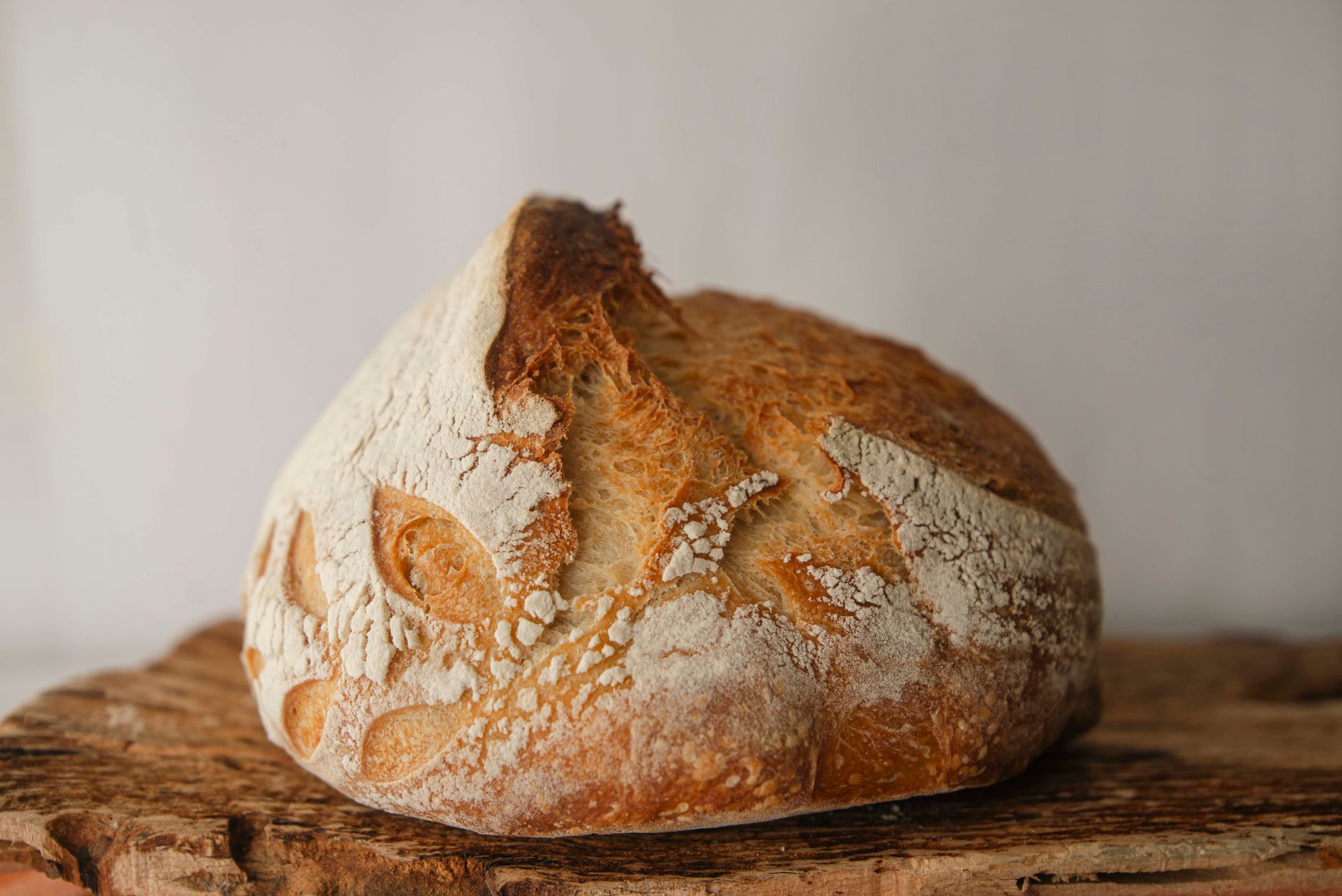
Sourdough starter is a living culture made of flour and water that captures wild yeast and beneficial bacteria, allowing bakers to make delicious, tangy sourdough bread. The longevity of a sourdough starter is a common concern among both novice and experienced bakers alike. Understanding how long your starter lasts and how to properly care for it will ensure you continue to enjoy baking with your starter for months, or even years, to come.
This comprehensive guide will explore the lifespan of sourdough starter, best practices for storage, feeding schedules, and how to tell when your starter is still active or needs a little rejuvenation. Let’s dive deeper into these essential aspects of sourdough maintenance to ensure your baking endeavors remain successful and rewarding.
How Long Does Sourdough Starter Last?
The longevity of your sourdough starter depends on various factors, such as how it is stored, how frequently it is fed, and the environmental conditions. A well-maintained sourdough starter can last indefinitely, not just for weeks or months. It can remain viable for years if cared for properly.
Factors That Affect Sourdough Starter Longevity
Several factors influence how long your sourdough starter will last. Understanding these factors can help you maintain a healthy starter and extend its life:
1. Feeding Schedule
The frequency of feeding plays a crucial role in your starter’s lifespan. A starter that is fed regularly (at least once a week) will remain active and robust. If you neglect it for extended periods, it may become weak or even die off.
2. Temperature
The temperature at which your sourdough starter is stored impacts its activity and longevity. A cooler environment slows fermentation and prolongs the starter’s life, while warmer temperatures can speed up fermentation, potentially leading to over-acidification and a less stable starter.
3. Storage Method
How you store your starter also affects its longevity. Starters kept at room temperature require more frequent feedings than those kept in the refrigerator or freezer. If you opt for longer storage, refrigeration or freezing can be beneficial.
4. Quality of Ingredients
The flour and water you use matter. Using high-quality, unbleached flour and filtered or dechlorinated water is key to having a strong and healthy starter. Impurities in these ingredients can weaken your starter over time.
Storage Options for Sourdough Starter
There are several effective methods for storing sourdough starter, each with its pros and cons. Below are the most common options:
1. Room Temperature Storage
When kept at room temperature, a sourdough starter should be fed every 12 to 24 hours. This method promotes quicker fermentation and allows for regular baking. However, it demands more attention and can lead to the starter becoming overactive if not managed well.
2. Refrigerator Storage
Storing your sourdough starter in the fridge is ideal for bakers who don’t bake regularly. Refrigerated starters can go up to two weeks without being fed, making them convenient. However, once you decide to use it again, you may need to feed it a few times to revive its activity.
3. Freezing
Freezing is an effective long-term storage option for sourdough starters. When properly frozen, a starter can last for months or even up to a year. This method allows you to maintain a backup of your starter for later use. Just remember to bring it back to room temperature and feed it a few times before using it again.
How to Feed Your Sourdough Starter
Feeding your sourdough starter involves incorporating fresh flour and water to provide nutrients for the yeast and bacteria. Here’s a simple approach to feeding:
- Remove the starter from its storage container.
- Discard about half of the starter (this helps manage acidity and maintain a healthy balance).
- Add equal parts (by weight) flour and water. For example, if you have 100 grams of starter left, add 100 grams of water and 100 grams of flour.
- Mix until fully combined, cover loosely, and allow it to sit at room temperature for 4 to 12 hours, depending on conditions.
Signs of a Healthy Sourdough Starter
To ensure your starter is healthy and ready for baking, look for the following indicators:
- Bubbles: A healthy starter should show bubbles on the surface and throughout, indicating active fermentation.
- Doubling in Size: The starter should double in volume within 4 to 6 hours after feeding.
- Aroma: It should have a pleasant, slightly tangy aroma, suggesting proper fermentation.
Backup and Reviving a Sourdough Starter
If your starter shows signs of distress (e.g., unusual odor, no bubbles, or separation), it may need some rejuvenation. Here are a few steps you can take:
1. Rescue Attempts
If you suspect your starter is inactive or dying, try to revive it by feeding it more frequently for a few days. Discard half of the starter and feed it every 6 hours until you see improvement.
2. Backup Strategies
To avoid the heartbreak of losing your starter, consider maintaining a backup by freezing a portion or using a second jar tucked in the refrigerator. Rotating your “active” and “backup” starters ensures you always have a healthy, robust starter at your disposal.
Common Mistakes and Troubleshooting
Even seasoned bakers can encounter issues with their sourdough starters. Familiarizing yourself with common mistakes can save time and frustration:
- Too Much Discard: Discarding too much starter can lead to a weaker culture. Aim to maintain a balance.
- Inconsistent Feeding: Irregular feeding schedules can lead to a sluggish starter. Stick to a routine.
- Overwatering or Underflouring: Measure carefully to ensure the right ratio of flour to water; typically, a 1:1:1 ratio (starter:water:flour) by weight is best.
- Using Chlorinated Water: Chlorine in tap water can harm the yeast. Use filtered or dechlorinated water instead.
How to Tell If Your Sourdough Starter Is Bad
It’s essential to know when your sourdough starter has turned bad or unfit for baking. Here are signs to look out for:
- Off Smells: A strong, unpleasant odor (like vinegar or rotten) indicates that your starter has gone bad.
- Color Changes: If you notice pink or orange tints, it’s best to discard the starter.
- Dry or Hard Texture: A dried-out starter indicates it hasn’t been cared for properly and may not revive easily.
Final Thoughts on Sourdough Starter Longevity
Understanding how long sourdough starter lasts and how to care for it is crucial for anyone interested in bread baking. With proper feeding, storage, and attention, your sourdough starter can thrive for years, enhancing your bread-making experience.
Whether you prefer to store your starter at room temperature for daily baking, in the fridge for convenience, or even frozen for long-term storage, always ensure you perform regular maintenance and monitor its health. By doing this, you can enjoy the delightful flavors of homemade sourdough bread for a lifetime.
If you are looking for more tasty sourdough recipes or helpful guides, explore our King Arthur Sourdough Recipe or try our Einkorn Sourdough Bread Recipe for diverse baking experiences.