
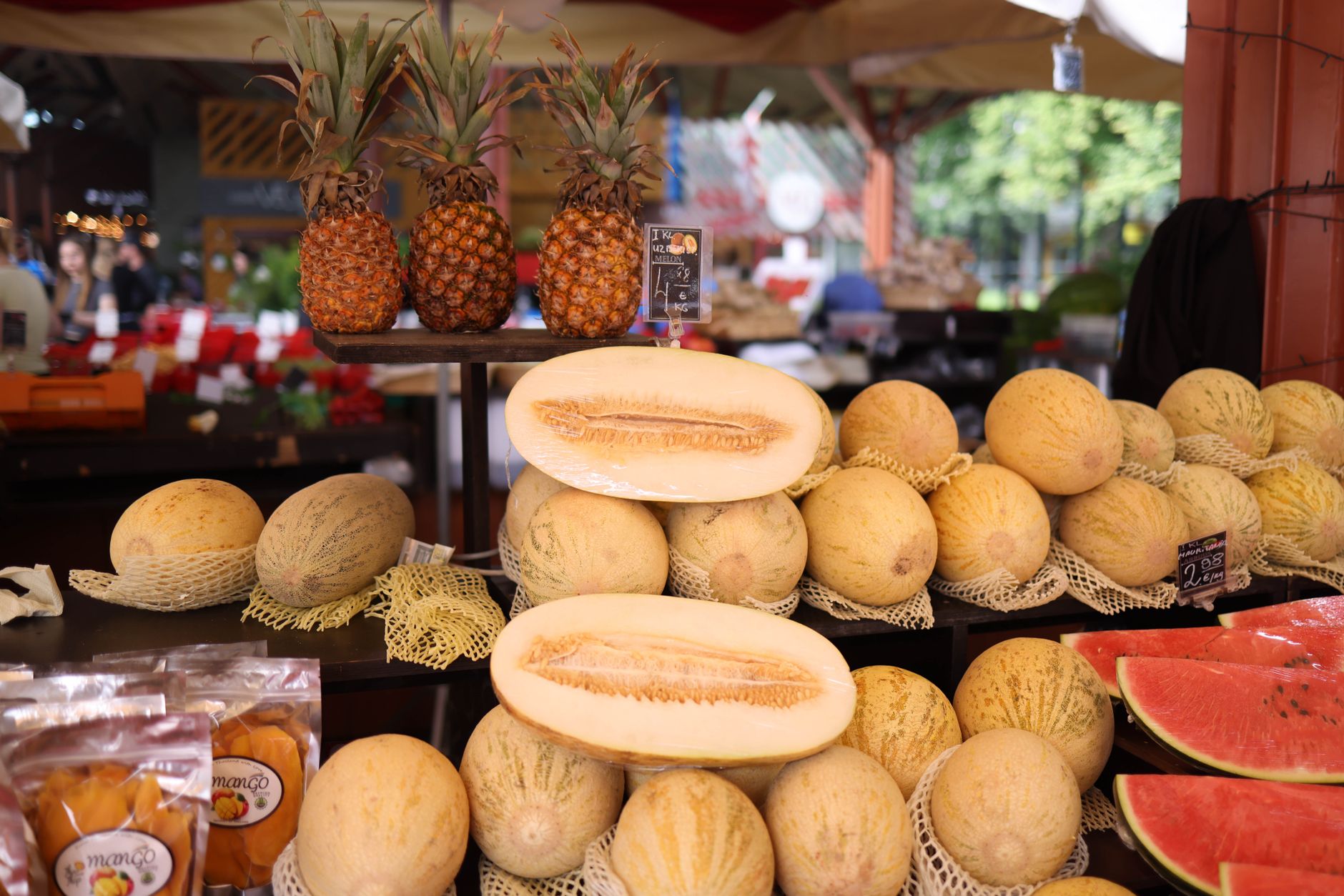
When it comes to unique fruits, few can rival the charm of the yellow watermelon. While most people are familiar with the classic red-fleshed variety, yellow watermelon is gaining popularity for its distinct flavor, vibrant color, and health benefits. In this guide, we will explore what yellow watermelon is called, its origins, and various ways to enjoy this delightful fruit.
This article will also delve into the differences between yellow and traditional watermelon, how to select the best yellow watermelon, and practical tips for incorporating it into your meals. Whether you’re looking to serve something refreshing at a summer barbecue or incorporate it into a healthy snack, you’ll find plenty of useful information here.
What Is a Yellow Watermelon Called?
Yellow watermelon is simply referred to as “yellow watermelon” or sometimes “golden watermelon.” It is a type of Citrullus lanatus, the same species as the traditional red watermelon. The primary distinction lies in its interior color, which shifts from the typical pink or red to a striking yellow or golden hue, offering a slight sweet and often more honey-like flavor profile.
The Origins of Yellow Watermelon
Yellow watermelon originated through the natural mutation of the common red watermelon. While the exact history of yellow watermelon is somewhat murky, it is believed to have first appeared in Africa where watermelons are native. Over the years, various cultivars of yellow watermelon have been developed, including the Yellow Canary and the Desert King, which highlight the fruit’s bright color and sweet flavor.
Farmers have cultivated yellow watermelon to offer consumers variation in taste and visual appeal. Recent years have seen a resurgence in interest surrounding heirloom and specialty varieties, including yellow watermelons, as consumers increasingly seek out unique culinary experiences.
What Are the Differences Between Yellow and Red Watermelon?
At first glance, yellow and red watermelon may appear similar, but significant differences set them apart.
Taste and Flavor
Yellow watermelon tends to have a sweeter, more floral flavor compared to its red counterpart. This difference in flavor can be attributed to the varying levels of pigments and sugars present in the fruit. Some enthusiasts describe yellow watermelon as having subtle honey undertones, making it a delightful option for those seeking alternatives to traditional watermelon.
Nutritional Value
While both yellow and red watermelon are hydrating and low in calories, yellow watermelon offers slightly more vitamins. It has higher levels of vitamins A and C, which contribute to skin health and immune support. This extra nutritional boost makes yellow watermelon not only a tasty treat but also a healthy one.
Appearance
As the name suggests, the most noticeable difference between yellow watermelon and red watermelon is the flesh color. Yellow watermelon can range from light yellow to a deep golden color, while red watermelon is characterized by its bright red or pink flesh. Additionally, the seeds in yellow watermelon may vary from black to white, similar to those in red watermelon.
Uses in Cooking and Serving
Both yellow and red watermelon lend themselves well to a variety of culinary applications, but yellow watermelon is often favored for its sweetness in desserts and cocktails. Due to its visually appealing color, it makes an excellent centerpiece in fruit salads or as a garnish to beverages. Furthermore, the fact that it is generally sweeter than red watermelon makes it a popular choice for smoothies and sorbets.
How to Choose a Yellow Watermelon
Selecting the perfect yellow watermelon involves a few simple tips. Here’s what you should look for:
- Check the Weight: Choose a watermelon that feels heavy for its size. A heavier watermelon indicates that it is full of water and therefore, juicier.
- Look for Field Spots: A creamy yellow spot on the rind indicates that the watermelon was resting on the ground while ripening. This is a good sign that it has sweet flesh.
- Inspect the Shape: Look for a symmetrical shape; irregularities might indicate uneven ripening or poor quality.
- Feel for Firmness: Gently squeeze the watermelon. It should be firm but yield slightly under pressure. Avoid watermelons with soft spots.
- Listen for Sound: When you knock on a watermelon, it should produce a deep, hollow sound, indicating ripeness.
Preparation and Serving Ideas for Yellow Watermelon
Yellow watermelon can be enjoyed in various ways, making it a versatile addition to your culinary repertoire. Here are some delicious suggestions for incorporating yellow watermelon into your meals:
Fresh and Simple
- Chill: Refrigerate the yellow watermelon for a few hours before serving for a refreshing treat.
- Slice: Cut the watermelon into wedges, cubes, or balls. Serve as-is, or sprinkled with a dash of sea salt to enhance flavor.
- Add Lime: Squeeze fresh lime juice over the slices to add a zesty contrast to sweetness.
Fruit Salad
- Combine: Mix yellow watermelon with other fruits like berries, cantaloupe, and mint for a vibrant fruit salad.
- Dressing: Drizzle a vinaigrette made from olive oil, honey, and lemon juice for an added depth of flavor.
Yellow Watermelon Salsa
Give your typical salsa a twist by using yellow watermelon. Combine diced yellow watermelon with red onion, jalapeño, cilantro, lime juice, and salt. This refreshing salsa pairs beautifully with grilled seafood or as a topping for tacos.
In Smoothies
- Blend: Combine yellow watermelon with yogurt, spinach, and a banana in a blender for a nutritious morning smoothie.
- Boost: Add chia seeds or a scoop of protein powder for added health benefits.
Savory Dishes
Yellow watermelon can also be incorporated into various savory dishes. For example, you can grill it alongside meats or toss it into salads for a contrasting texture and flavor. Try pairing it with feta cheese and arugula for a delightful summer salad.
Storage Tips for Yellow Watermelon
Proper storage ensures that your yellow watermelon stays fresh and delicious. Follow these guidelines:
- Whole Watermelon: Store it at room temperature in a cool, dry place. Avoid direct sunlight, which can accelerate spoilage.
- Cut Watermelon: Once cut, wrap the watermelon pieces in plastic wrap and refrigerate. Use within three to five days for peak freshness.
Common Mistakes to Avoid When Handling Yellow Watermelon
While yellow watermelon is relatively forgiving, there are some common pitfalls to avoid:
- Overripe Selection: Be cautious of choosing watermelons with overly soft spots or a dull rind, as this could indicate overripeness.
- Improper Storage: Avoid storing cut watermelon without proper wrapping, as it can absorb odors from other foods in the fridge.
- Discarding Seeds: Don’t be quick to discard seeds! Yellow watermelon seeds can be eaten safely, just as red watermelon seeds can.
Creative Uses for Yellow Watermelon
Yellow watermelon isn’t just delicious; it’s also fun to work with in the kitchen! Consider these unique and creative ways to enjoy this fruit:
Juicing
Yellow watermelon juice is refreshing and hydrating. Simply blend the flesh and strain it if you prefer a smoother texture. Add mint or basil for an aromatic twist.
Infused Water
Add yellow watermelon slices to a pitcher of water for a visually appealing and flavorful infused drink. Let it sit in the refrigerator for a few hours to develop flavor.
Frozen Treats
Puree yellow watermelon and freeze it in popsicle molds for a healthy frozen treat. This is a great way to use leftover pieces of watermelon.
What Can You Substitute for Yellow Watermelon?
If yellow watermelon isn’t available, you may wonder what you can substitute in recipes or dishes. Here are viable options:
- Red Watermelon: If you want to preserve a similar texture, red watermelon is the closest substitute. It offers a different flavor but will work well in most recipes.
- Cantaloupe: For a similar sweet flavor and juiciness, cantaloupe can serve as a decent backup when combined with lime or other citrus to enhance its taste.
- Pineapple: Pineapple chunks can provide sweetness and acidity, making them an interesting alternative in fruit salads or salsas.
Bear in mind that each substitute will alter the taste and appearance of your dish, so choose according to the overall result you desire.
How to Enjoy Yellow Watermelon with Friends and Family
Sharing food is a social experience that can strengthen bonds with family and friends. Here are a few fun ideas to enjoy yellow watermelon:
- Host a Summer Gathering: Prepare yellow watermelon treats and serve them as part of a summer barbecue, including grilled yellow watermelon alongside meats.
- Picnic Perfection: Cut up yellow watermelon cubes and pack them in your picnic basket for a refreshing snack amidst your outdoor activities.
- Cooking Workshops: Gather friends and family for a cooking workshop where you can teach others how to prepare delicious dishes using yellow watermelon.
Conclusion
Yellow watermelon, with its sweet flavor and vibrant color, is a delightful twist on the traditional fruit we all know. Its unique qualities make it a versatile ingredient in various dishes, from refreshing salads to smoothies. The next time you’re at the grocery store or farmer’s market, consider picking up a yellow watermelon to create something unique and delicious.
To further enhance your culinary skills and expand your cooking repertoire, explore more content such as information on how to freeze watermelon and the best substitutes for rosemary.