
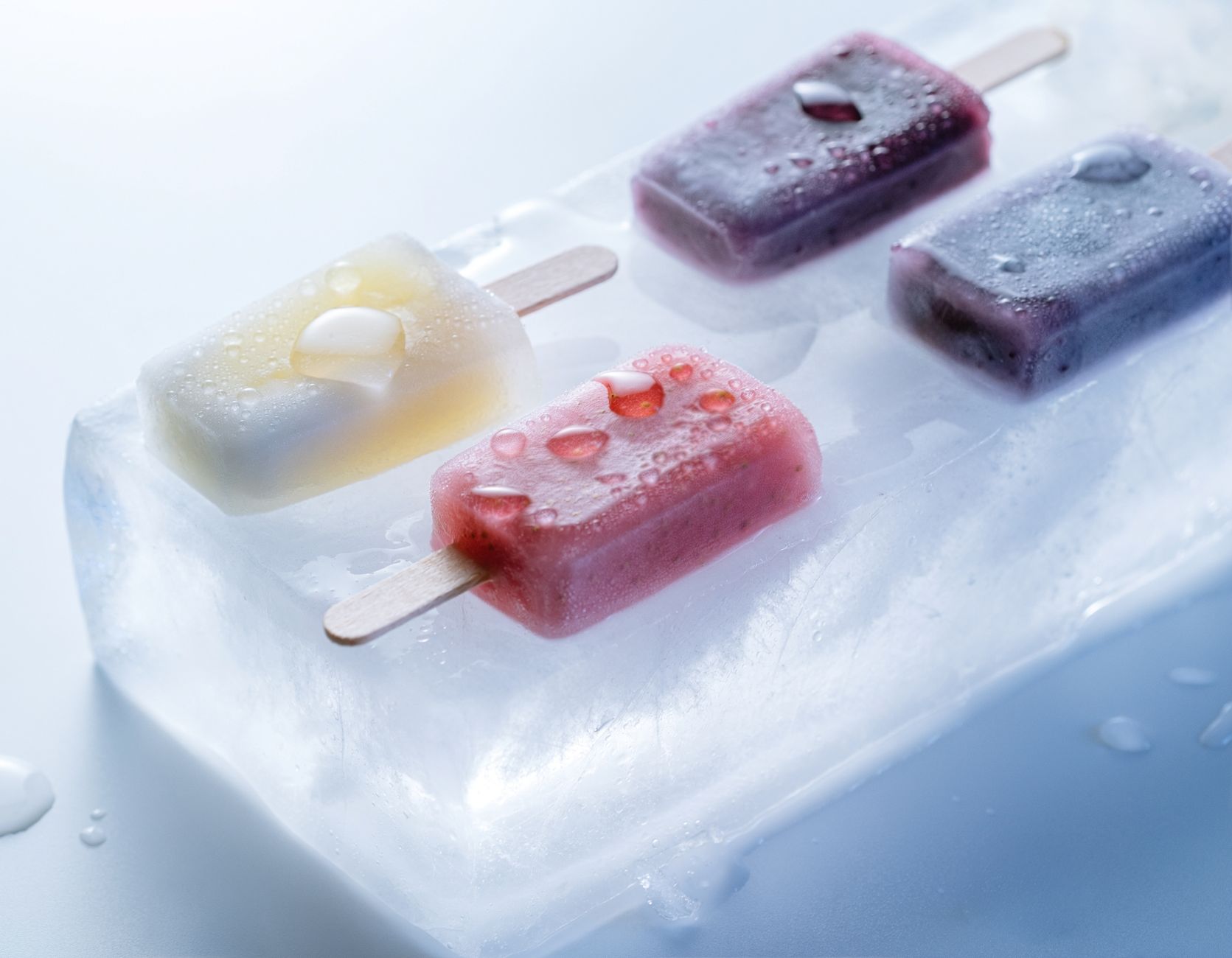
Popsicles are a favorite frozen treat enjoyed by many, especially during hot weather. They are fun, refreshing, and versatile, with countless flavor combinations. However, just like any food product, popsicles have a shelf life and can go bad under certain conditions.
In this article, we will explore the details of popsicle shelf life, storage methods, and clear signs of spoilage. Understanding these factors can help you enjoy your popsicles safely and waste less food.
Can Popsicles Go Bad?
Yes, popsicles can go bad, but they typically have a long shelf life when stored properly. Factors such as ingredients, storage conditions, and time can determine how long they last before they spoil.
Understanding Popsicles
Popsicles are frozen snacks made from flavored liquids, often containing sugar, fruit juice, or yogurt. They can be homemade or store-bought and come in various flavors and textures. Here are some common types:
- Fruit Popsicles: Made primarily from fruit juice or puree.
- Creamy Popsicles: Made with dairy or non-dairy creams for a smoother texture.
- Ice Pops: Usually water-based, sometimes with added flavoring and coloring.
- Yogurt Pops: Made from yogurt, often incorporating fruits or sweeteners.
Popsicle Shelf Life
The shelf life of popsicles depends on several factors, including the type of popsicle, ingredients used, and storage practices. Here’s a general overview:
- Store-Bought Popsicles: Typically last for 6-8 months in the freezer.
- Homemade Popsicles: Best consumed within 1-3 months for optimal flavor and quality.
Ingredients Matter
Different ingredients can alter shelf life. For example:
- Popsicles made with fresh fruit juice may have a shorter life due to the lack of preservatives.
- Creamy popsicles made with dairy may spoil faster than fruit-based popsicles.
How to Store Popsicles
Proper storage is crucial for extending the shelf life of your popsicles. Here are some effective methods:
Freezer Storage
The best place to store popsicles is in the freezer. Here are some tips:
- Keep popsicles in their original packaging if store-bought, as it provides a good seal.
- If homemade, use airtight containers or freezer-safe bags to prevent freezer burn.
- Avoid storing popsicles near the freezer door, as the temperature fluctuates more frequently.
Labeling and Dating
Label your popsicles with the date they were made or purchased. This helps track freshness and ensures you consume them within their optimal time frame.
Signs of Spoilage
Popsicles can show signs of spoilage that indicate they are no longer safe or enjoyable to eat. Here are a few signs to look out for:
Change in Texture
When popsicles develop ice crystals or a grainy texture due to freezer burn, they may still be safe to eat, but the eating experience will be compromised.
Off Smells
If you notice any off or sour odors coming from the popsicle, it’s best to discard it.
Color Changes
Unexpected changes in color may indicate spoilage. If a vibrant popsicle turns dull, it may be time to toss it.
Expiration Dates
Store-bought popsicles typically have expiration or best-by dates on the packaging. Adhering to these dates is advisable for both taste and safety.
Homemade Popsicle Guidelines
If you decide to make popsicles at home, here are some tips for maximizing their quality and safety:
- Use fresh, high-quality ingredients. This improves flavor and shelf life.
- Avoid adding too much sugar. While sugar can preserve, excess may alter taste negatively.
- Consider freezing fruits separately before blending if using whole fruits for a smoother mix.
Tips for Enjoyable Popsicles
To make the most of your popsicles, here are some creative and enjoyable tips:
Flavor Combinations
Try unique flavor combinations by blending different fruits or infusing herbal teas into the base liquid.
Healthier Alternatives
Create healthier popsicles by using yogurt and pureed fruits, replacing sugary drinks or syrups. Consider using natural sweeteners or honey if more sweetness is desired.
Serving Suggestions
Enjoy popsicles as an afternoon snack, dessert, or refreshing treat after workouts. For a more festive touch, consider serving them at parties in clear cups with garnishes like mint or fruit slices.
FAQs about Popsicles
Can I refreeze popsicles that have thawed?
It is not recommended to refreeze popsicles that have thawed as they can lose texture and taste. Refreezing may also increase the risk of bacterial growth if they have been left out for too long.
Why do popsicles develop freezer burn?
Freezer burn occurs when moisture escapes from the popsicle, causing ice crystals to form. This can happen when the popsicle is not sealed properly or has been in the freezer for an extended period.
What’s the best way to thaw a popsicle?
The best way to thaw a popsicle is to leave it at room temperature for a few minutes. You can also hold it under warm water for quick results but avoid soaking it.
Conclusion
Popsicles are a delightful treat that can last for a considerable time if properly stored. Understanding the shelf life and spoilage signs will ensure you enjoy these frozen snacks safely. With proper care, you can indulge in flavorful popsicles without worrying about spoilage.
For more delicious recipes and food guides, consider exploring tips on freezing watermelon or how long cottage cheese lasts after opening. Enjoy your culinary adventures!