
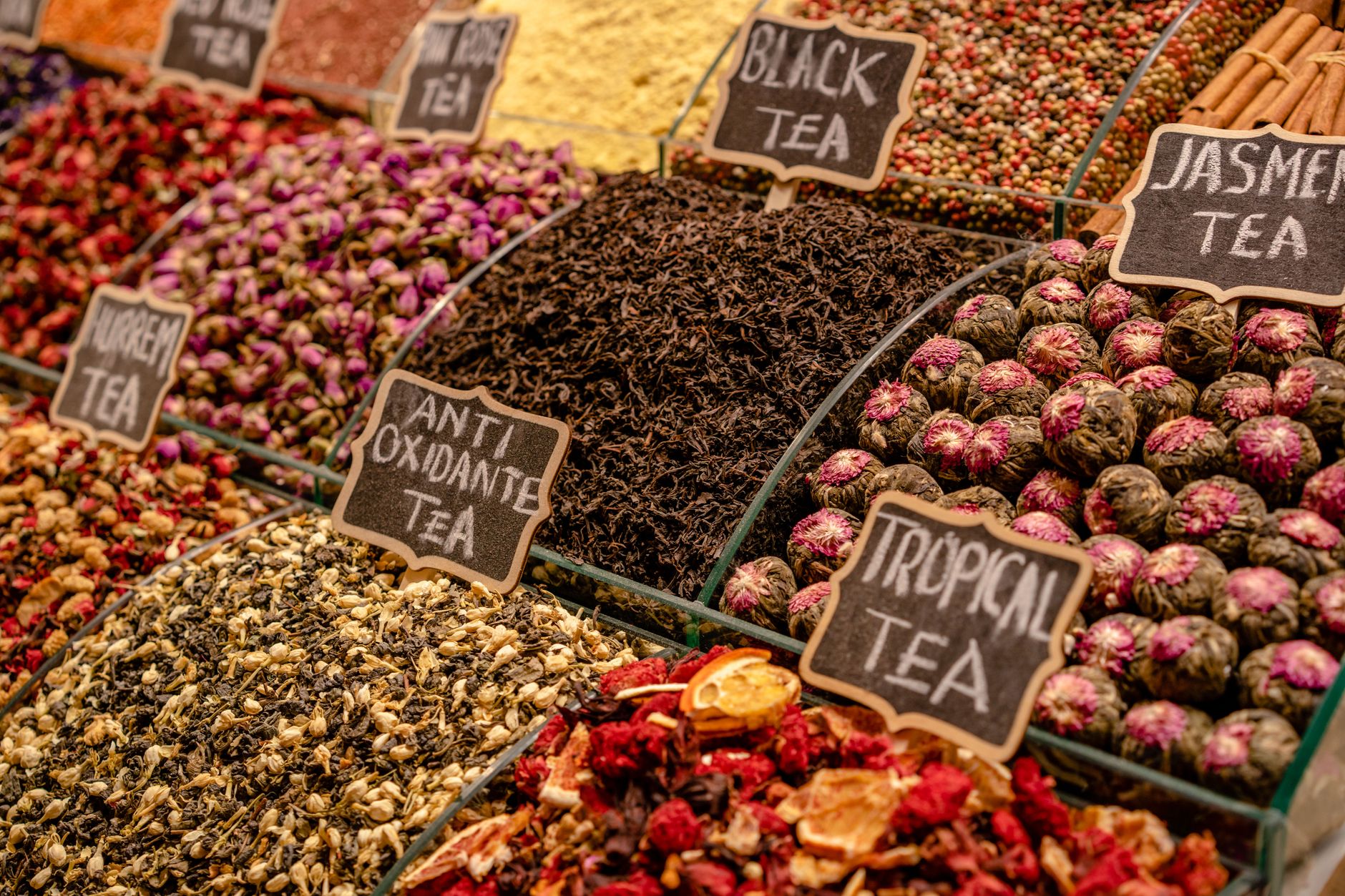
When taking blood thinners, it is essential to be mindful of dietary choices, including beverages such as tea. Some teas can interact negatively with blood-thinning medications, while others might be safe and even beneficial. This guide explores various types of tea, their potential effects on blood thinners, and offers helpful recommendations to make informed choices.
This article is designed for those on blood-thinning medications like warfarin or dabigatran, focusing on teas that can be included safely in your diet. Understanding which teas to enjoy can enhance your daily routine without compromising your health.
What Tea Can I Drink While On Blood Thinners?
People on blood thinners can safely enjoy certain types of tea, but it is crucial to avoid specific herbal teas that may interfere with medication efficacy. Good options include green tea, white tea, and some herbal teas like dandelion tea. These choices offer flavorful hydration without posing significant risks to blood-thinning treatments.
Understanding Blood Thinners and Their Dietary Restrictions
Blood thinners, also known as anticoagulants, work by preventing blood clots, which can lead to serious health issues. Common medications include warfarin, rivaroxaban, and dabigatran. While these medications are effective, certain foods and drinks can affect their blood-thinning properties.
One of the most notable dietary components to monitor is vitamin K, found abundantly in leafy green vegetables. Additionally, herbal supplements and teas can have varying effects. Therefore, when incorporating tea into your diet, it’s important to understand their constituents and any potential interactions.
Safe Teas to Consume While on Blood Thinners
1. Green Tea
Green tea is a popular choice for many health-conscious individuals and is generally safe for those on blood thinners. It contains antioxidants called catechins, which may provide several health benefits without affecting blood clotting significantly. However, moderation is key.
Benefits of Green Tea
- Rich in antioxidants.
- May help lower cholesterol levels.
- Supports overall cardiovascular health.
2. White Tea
White tea is made from young tea leaves and buds. Its delicate flavor and minimal processing result in a high concentration of antioxidants. It is also considered safe for individuals taking blood thinners since it has no known direct effects on coagulation.
Benefits of White Tea
- High antioxidant content helps fight free radicals.
- May promote skin health.
- Offers mild caffeine, less than black or green tea.
3. Dandelion Tea
Dandelion tea, made from the leaves and roots of the dandelion plant, may also be a beneficial choice. While there have been concerns regarding its effect on blood pressure, dandelion tea is generally recognized as safe. It’s important to consult with a healthcare provider if you are on medications.
Benefits of Dandelion Tea
- May support liver function and detoxification.
- Potential diuretic properties may help manage water retention.
- Rich in vitamins and minerals.
4. Rooibos Tea
This caffeine-free herbal tea is derived from the South African rooibos plant and has potential anti-inflammatory properties. It is considered safe for individuals on blood thinners and can be enjoyed as a flavorful option without concern.
Benefits of Rooibos Tea
- Rich in antioxidants.
- Supports digestive health.
- Low tannin content compared to traditional teas.
Teas to Avoid While on Blood Thinners
While many teas are safe, certain herbal teas can pose risks to those taking blood thinners. Here are some teas to avoid:
1. Ginseng Tea
Ginseng is known to enhance energy and immune function but can potentially interfere with blood-thinning medications by increasing bleeding risk.
2. Ginger Tea
Although ginger has health benefits, it can also act as a natural blood thinner. High consumption of ginger tea may interact with anticoagulants and thus should be approached with caution.
3. Garlic Tea
Garlic can naturally lower blood pressure and has anticoagulant properties. Drinking garlic tea while on blood thinners may increase bleeding risks.
Additional Considerations for Tea Drinkers on Blood Thinners
Besides the types of tea, consider these aspects when drinking tea while on blood thinners:
1. Moderation is Key
Even safe teas should be consumed in moderation. Excessive consumption can lead to unpredictable effects, especially for individuals on medication.
2. Monitor Your Symptoms
Always pay attention to how your body reacts after consuming tea. If you notice unusual symptoms such as excessive bruising or bleeding, seek medical advice.
3. Stay Hydrated
Hydration is essential for overall health. While tea can be part of your hydration strategy, remember to also drink water to maintain proper fluid balance.
4. Consult Healthcare Providers
Before making any significant changes to your diet, including tea consumption, consult with a healthcare provider. They can provide personalized advice based on your medical history and current medications.
How to Prepare and Enjoy Tea
Preparing tea should be a simple and enjoyable part of your routine. Here’s a general guide to brewing your favorite varieties safely:
Brewing Tea
- Choose high-quality loose leaf or bagged tea.
- Boil water to the appropriate temperature (generally around 175°F to 212°F, depending on the tea).
- Add tea leaves or a tea bag to your cup.
- Pour the hot water over the tea and steep for the recommended time (typically 2-5 minutes).
- Remove the tea leaves or bag and enjoy your tea plain, or with a dash of lemon or honey if desired.
Exploring Flavor and Pairings with Tea
Tea can be enjoyed on its own or paired with various foods for a delightful experience. Here’s how you can enhance your tea-drinking experience:
1. Light Snacks
- Fruit: Sliced apples, pears, or citrus complement green and white teas.
- Nuts: Almonds or walnuts provide a crunchy consistency.
- Cheese: Soft cheeses pair beautifully with herbal teas.
2. Flavor Enhancements
If looking to add flavor, consider natural options that are safe for those on blood thinners:
- Fresh lemon or lime juice.
- Mint leaves, perfect for enhancing herbal teas.
- Honey or agave syrup, but in moderation due to sugar content.
Potential Risks and Interactions
While tea is generally safe for most individuals, understanding potential risks is vital for those with specific health conditions:
1. Herbal Teas and Supplements
Many herbal teas can have compounds that interact adversely with prescribed medications. Always check for herbal ingredients if you are unsure.
2. Consistency in Consumption
It’s crucial to maintain consistent levels of vitamin K and other components in your diet. Sudden increases or decreases can affect blood thinness levels.
Conclusion and Practical Next Steps
Choosing the right tea while on blood thinners is essential for maintaining health without sacrificing enjoyment. Green tea, white tea, dandelion tea, and rooibos tea are generally safe options, while others like ginseng and garlic tea should be avoided.
Start incorporating these teas gradually into your diet and always remain aware of your body’s responses and any changes, consulting healthcare professionals as necessary. For further exploration in your culinary journey, consider checking out how to make dandelion tea or learning what spearmint tea is good for.