
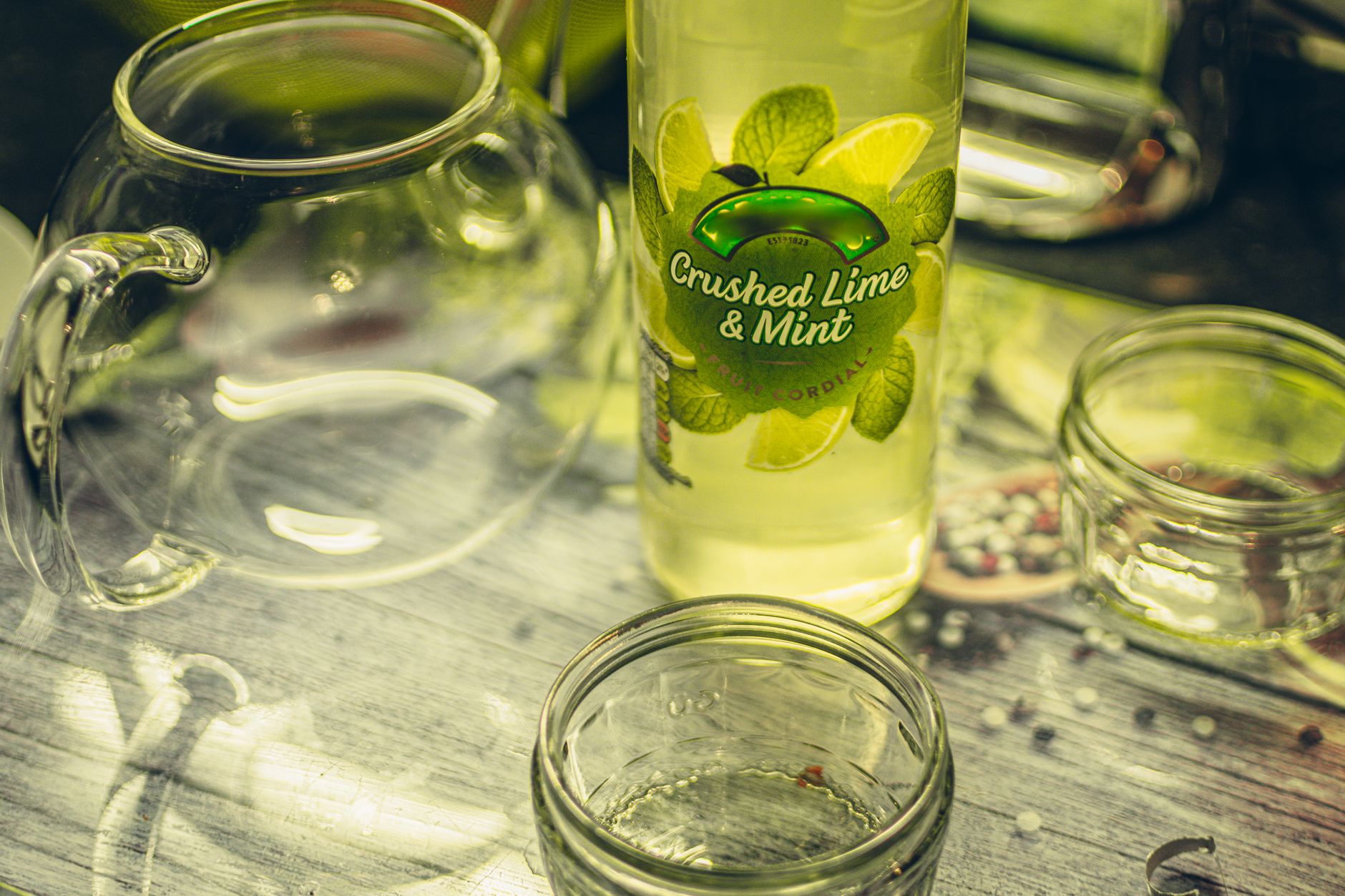
Cordial drinks have been popular for centuries, known for their delightful fusion of flavors and versatility in both casual and formal settings. These beverages, often sweetened and infused with fruit or herbal extracts, are typically served chilled or with a splash of soda. Understanding their ingredients, taste, and culinary uses can lead to crafting enticing drink options for various occasions.
This guide explores the essence of cordial drinks, the diverse ingredients that make them unique, their flavor profiles, and how you can incorporate them into your cooking and entertaining. Whether you’re aiming to create homemade cordials or enhance your beverage menu, this article provides the insights needed to enjoy these delightful concoctions.
What Is Cordial Drink?
A cordial drink is a sweetened and flavored beverage made from fruit, flowers, herbs, or spices, often combined with alcohol, sugar, and water. The term “cordial” can refer to the spirit itself or a non-alcoholic syrup meant to be diluted with water or soda. These drinks are typically enjoyed chilled as a refreshing beverage or used as mixers in cocktails.
Ingredients of Cordial Drinks
Cordial drinks can vary widely in ingredients, but they generally share some common components. Understanding these components will help you appreciate the flavors they bring to your drinks.
Primary Ingredients
- Fruit Juices: Fresh fruit juices, such as raspberry, cherry, or citrus, are commonly used for flavoring. They provide natural sweetness and acidity.
- Herbs and Spices: Fresh herbs (like mint or basil) and spices (like cinnamon or ginger) can add layers of flavor profile.
- Alcohol: Many cordials include spirits like brandy, gin, or vodka, enhancing the depth and warmth of the drink.
- Sugar: Added for sweetness and as a preservative, sugar can be in the form of granulated sugar, honey, or even agave syrup.
- Water: Water is essential for diluting the concentrate, especially in non-alcoholic versions or for mixing.
Flavor Profile
The flavor of cordial drinks can range from sweet and fruity to herbal and aromatic. The balance of acidity from the fruit and the sweetness from the sugar is crucial in crafting a well-rounded drink. Herbal notes add an earthy complexity, enriching the overall taste experience.
Tasting Cordial Drinks
When tasting cordial drinks, it’s important to note the interplay of sweetness, acidity, and herbal or spicy notes. High-quality cordials will have a harmonious balance, where no single ingredient overwhelms the others. Here’s how you can approach tasting:
Steps to Taste Cordial Drink
- Look: Observe the color and clarity. A vibrant color usually indicates fresh ingredients.
- Smell: Swirl the drink gently to release aromas and take a deep sniff. Identify notes of fruit, herbs, or spices.
- Taste: Take a small sip, letting it coat your palate. Pay attention to the balance of flavors and mouthfeel.
- Finish: Note the aftertaste. A good cordial will leave a pleasant, lingering flavor.
Culinary Uses for Cordial Drinks
Cordial drinks are not just for sipping. They can add flair to various culinary creations. Below are some common uses for cordials:
As a Refreshing Beverage
Cordials can be served on their own, mixed with soda water or tonic water for a refreshing and light drink, perfect for hot weather. They can also be served with ice and garnished with fresh herbs or fruit slices for visual appeal.
In Cocktails
Cordials serve as excellent mixers in cocktails, lending unique flavors that elevate the drink. For instance, a raspberry cordial can be used in a summer spritzer, mixed with prosecco and fresh mint for a delightful gathering beverage.
In Desserts
Cordials can also be used in culinary applications, such as adding to desserts like sorbets, jellies, or cakes. For example, drizzling a floral cordial over a panna cotta can enhance its flavor and presentation.
Marinades and Sauces
Surprisingly, cordials can also play a role in savory dishes. Incorporating fruity or herbal flavors into marinades for meats or glazes for vegetables can result in deliciously complex dishes.
How to Make Homemade Cordials
Making cordials at home is a rewarding endeavor, allowing you to tailor flavors according to your preferences. Here’s a simple step-by-step guide to create a basic fruit cordial.
Ingredients Needed
- 2 cups of fresh fruit (like berries or stone fruits)
- 1 cup of sugar
- 2 cups of water
- Optional: 1 cup of neutral alcohol (such as vodka) or additional herbs for flavor
Equipment Required
- Medium saucepan
- Fine mesh strainer or cheesecloth
- Glass bottles or jars for storage
- Stirring spoon
Step-by-Step Method
- Prepare the Fruit: Wash the fruit thoroughly. If using larger fruits (like peaches), chop them into smaller pieces.
- Combine Ingredients: In a medium saucepan, add the prepared fruit, sugar, and water. Stir to combine.
- Simmer: Heat the mixture over medium heat until it begins to simmer. Lower the heat and let it simmer for about 30 minutes. This will allow the flavors to infuse.
- Strain: After simmering, remove from heat and let cool slightly. Strain the mixture through a fine mesh strainer or cheesecloth into a clean container. Squeeze out as much liquid as possible from the fruit pulp.
- Add Alcohol (Optional): If desired, mix in the alcohol. This is especially good for preserving the cordial and enhancing its flavor.
- Cool and Store: Allow the cordial to cool to room temperature before transferring it to glass bottles. Seal and store in the refrigerator. Use within a few weeks.
Variations and Substitutions
You can experiment with different fruits and herbs in this basic cordial recipe. Here are some ideas:
- Citrus Cordial: Use a mix of lemons, limes, and oranges.
- Herbal Cordial: Replace some fruit with fresh herbs like basil or mint for a refreshing twist.
- Spicy Cordial: Add a few slices of ginger or a cinnamon stick during the simmering phase for spiciness.
Common Mistakes When Making Cordials
Here are a few common pitfalls to avoid when making cordial drinks at home:
- Not Using Fresh Ingredients: Using stale or overripe fruits can result in off-flavors. Always opt for the freshest ingredients.
- Skipping the Straining: Failing to strain your cordial properly can result in a gritty texture. Make sure to squeeze out the juice fully.
- Too Much Sugar: While sweetness is important, overly sweet cordials can mask subtle flavors. Start with less sugar and adjust according to taste.
- Neglecting Storage: Store completed cordials in airtight containers in the refrigerator, as improper storage can lead to spoilage.
Serving Suggestions
Cordial drinks can be enjoyed in several ways. Here are a few ideas for serving your homemade cordials:
- Chilled with Soda: Mix equal parts cordial and soda water for a refreshing beverage.
- In Cocktails: Use cordials in classic cocktails or invent your own concoction.
- In Desserts: Drizzle over cake or mix into ice cream for a fruity flavor boost.
- As a Marinade: Use fruit cordials as bases for marinades for poultry or seafood.
Storage and Shelf Life
Homemade cordials can typically be stored in the refrigerator for up to three weeks. If spirits are included, the shelf life may extend due to the preservative nature of alcohol. Always check for off-smells or cloudiness before use.
Exploring Cordials from Around the World
Cordials vary globally, each culture bringing its unique flavors and ingredients. Here are a few notable examples:
Italian Limoncello
An iconic Italian lemon liqueur, Limoncello is made by infusing lemon zest in alcohol and then blending with sugar syrup. It’s typically served chilled as an after-dinner digestif.
Brazilian Ginjinha
A cherry liqueur from Portugal and commonly enjoyed in Brazil, Ginjinha is known for its rich cherry flavor, often served with a piece of fruit in the glass.
New England Cranberry Cordial
This American regional variation combines cranberry juice with sugar and alcohol, often served during fall and winter festivities.
Conclusion
Cordial drinks are a versatile and delightful addition to your beverage repertoire, suited for casual gatherings or festive celebrations. With a better understanding of their ingredients, flavor profiles, and uses—along with some knowledge on making them at home—you can create beverages that tantalize the taste buds and impress your guests. Experiment with various fruits and herbs to uncover unique flavors that reflect your personal style.
To further explore recipes and gain insight into other culinary delights, check out our brandy slush recipe or venture into crafting tropical flavors with our coconut margarita recipe.