
When it comes to enjoying an evening out or unwinding at home, vodka is a popular choice for many. However, if you’re conscious about your caloric intake, you might wonder just how many calories are in a shot of vodka. Understanding this can help you make informed decisions about your drink choices and overall diet.
In this article, we will dive deep into the world of vodka, examining its calorie content, nutritional aspects, and how it fits into various dietary preferences. We’ll also look at different types of vodka and what considerations you should keep in mind while enjoying your favorite drinks.
How Many Calories in 1 Shot of Vodka?
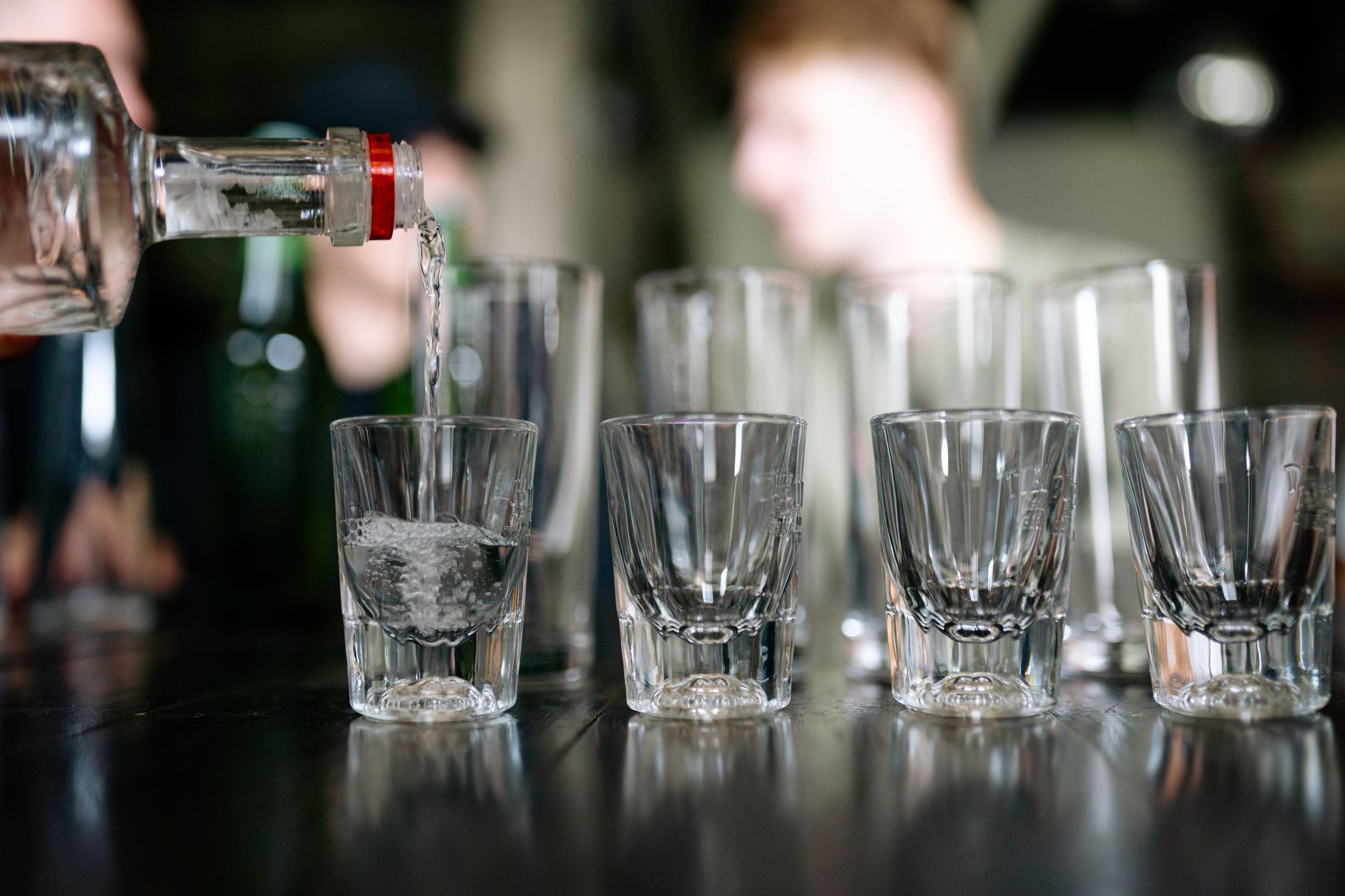
A standard shot of vodka, which is typically 1.5 ounces, contains approximately 97 calories. This figure can vary slightly depending on the specific brand and proof of the vodka. Generally, higher proof vodkas have a higher calorie count due to their increased alcohol content.
To provide a clearer picture, here’s a breakdown of the caloric content of vodka compared to other spirits:
- Vodka: Approximately 97 calories per 1.5 oz (43 ml)
- Whiskey: Approximately 105 calories per 1.5 oz (43 ml)
- Rum: Approximately 100 calories per 1.5 oz (43 ml)
- Gin: Approximately 110 calories per 1.5 oz (43 ml)
Understanding Vodka: Types and Nutritional Content
Vodka is a distilled beverage typically made from fermented grains or potatoes. The alcohol by volume (ABV) in vodka usually ranges from 35% to 50%. Here’s how different types of vodka can impact calorie count and nutrition:
Regular vs. Flavored Vodka
Regular vodka contains almost no carbohydrates, fat, or protein, making it a low-calorie option. However, flavored vodkas can contain added sugars and sweeteners, which can significantly increase the calorie count. A shot of flavored vodka could range anywhere from 100 to 120 calories, depending on the brand and flavoring.
Craft Vodka
Craft vodkas, often made with unique ingredients or distilled multiple times for purity, may also come with varying caloric content. Some brands emphasize natural ingredients and minimal additives, potentially resulting in a cleaner, lower-calorie option.
Alcohol and Calories: The Science
The calories in vodka primarily come from alcohol itself. Each gram of alcohol provides about 7 calories. This is higher than carbohydrates and proteins (which provide about 4 calories per gram) but lower than fats (which provide about 9 calories per gram). Therefore, understanding your alcohol consumption is crucial in managing caloric intake.
Factors Affecting Vodka’s Caloric Content
Several factors can influence the number of calories in vodka:
1. Proof
The proof of vodka indicates its alcohol content. Higher proof vodkas contain more alcohol and, consequently, more calories. For example, a 100 proof vodka will generally have about 124 calories in a shot (1.5 oz) compared to a 80 proof vodka’s 97 calories.
2. Additives
Some brands may add flavorings or sweeteners to their vodka, which can increase calorie counts. Always check the label for nutritional information if you’re opting for a flavored option.
3. Serving Size
Caloric values are typically calculated for a standard shot (1.5 oz). If you consume a larger drink or a mixed drink containing vodka, the total calorie count will increase accordingly.
Popular Cocktails and Their Caloric Content
If you’re planning to enjoy vodka as part of a cocktail, it’s essential to factor in the additional ingredients that can influence the overall calorie count. Below are some common vodka cocktails along with their estimated calorie counts:
- Vodka Soda: 97 calories (vodka alone) – soda water contains no calories.
- Vodka Tonic: Approximately 180 calories (vodka + tonic water).
- Dirty Vodka Martini: Around 210 calories (vodka + olive brine + vermouth).
- Vodka Collins: Approx. 250 calories (vodka + lemon juice + sugar + soda water).
Practical Tips for Managing Caloric Intake with Vodka
If you’re looking to enjoy vodka while being mindful of your caloric intake, consider the following tips:
- Choose a lower proof vodka to minimize calorie consumption.
- Opt for vodka with no added sugars or sweeteners.
- Stick to simple mixers like soda water or fresh citrus juices.
- Monitor your serving sizes when making mixed drinks.
- Avoid flavored vodkas unless you’re willing to increase your calorie intake.
Vodka in Context: Dietary Considerations
For those managing their diet, vodka can fit into various dietary patterns, from low-carb to low-calorie diets. However, moderation is key.
Vodka and Low-Carb Diets
Many individuals on low-carb diets, like the ketogenic diet, choose vodka due to its lack of carbohydrates. Just be aware that cocktails containing sugary mixers will negate the benefits of vodka’s low-carb profile.
Calories and Healthy Living
If you aim for a balanced diet, vodka can be enjoyed occasionally without derailing your efforts. It’s crucial to assess your overall lifestyle and approach to drinking to ensure that occasional enjoyment doesn’t lead to excessive consumption.
Common Mistakes to Avoid When Drinking Vodka
Like any alcoholic beverage, drinking vodka comes with pitfalls. Here are some common mistakes to be aware of:
- Underestimating the calorie content of cocktails can lead to unexpected caloric intake.
- Ignoring the effects of alcohol on appetite, which can lead to increased food consumption.
- Mixing vodka with high-calorie beverages without considering the calorie count.
Conclusion: Making Informed Choices with Vodka
Understanding the calorie content of vodka and how it fits into your overall dietary goals can help you enjoy your favorite drinks without compromising your health goals. Whether you prefer it neat, on the rocks, or mixed into a cocktail, being aware of serving sizes and additional mixers can significantly impact your overall caloric intake.
Next time you’re at the bar or preparing cocktails at home, consider these tips and insights for a more mindful drinking experience.
Explore related recipes and cocktail ideas such as a Vodka Collins recipe or the Dirty Vodka Martini recipe for unique ways to enjoy vodka responsibly.