
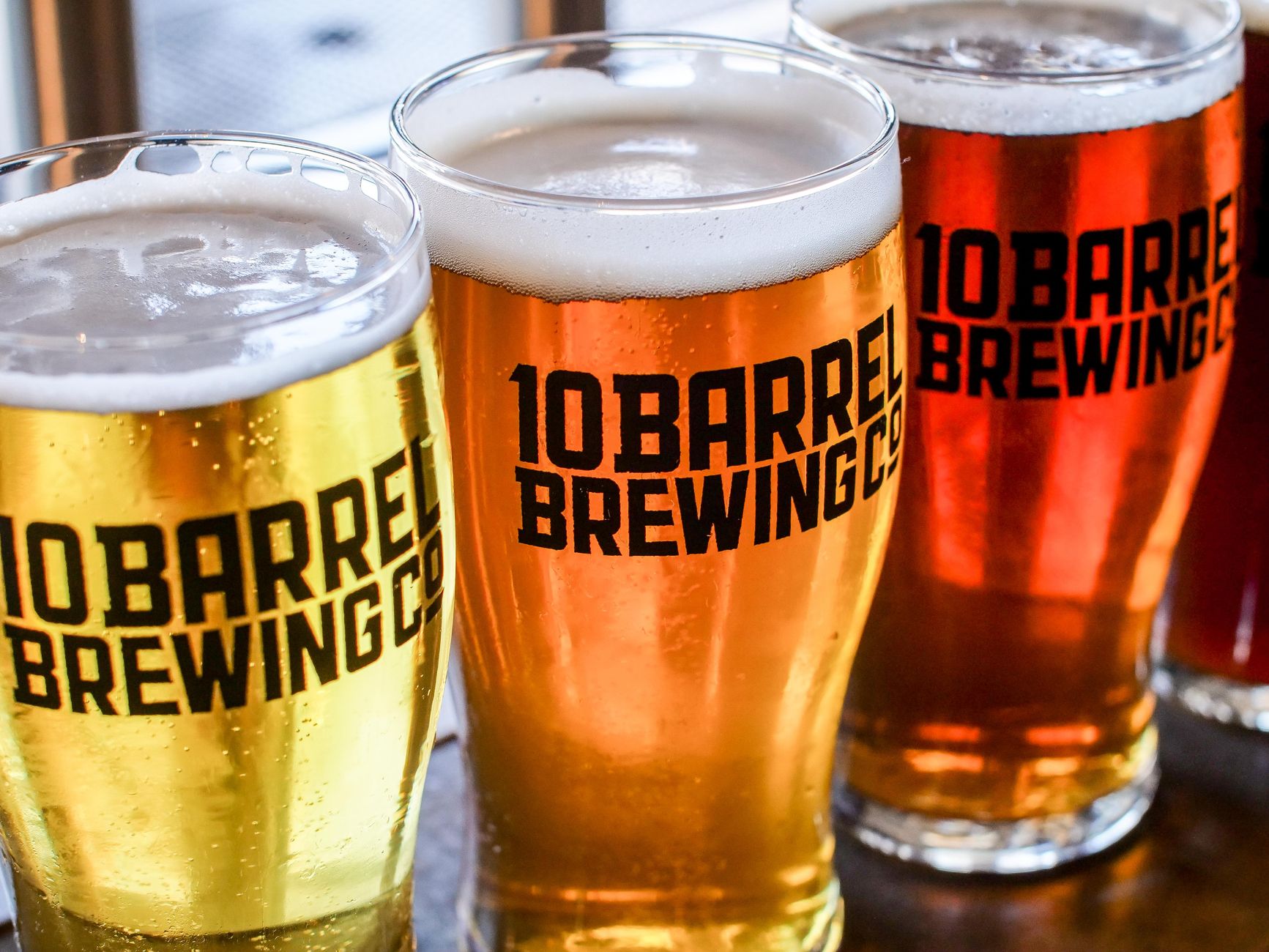
Beer, one of the oldest beverages in the world, has sparked debates regarding its health effects. From nutritional benefits to potential risks, the conversations surrounding beer often confuse consumers. This article delves into the nutritional content of beer, portion control, health considerations, and more, helping you make informed decisions about beer consumption.
Whether it’s enjoyed during a social gathering or a quiet evening at home, understanding beer’s role in your diet can help you enjoy it responsibly while considering your overall health. Let’s explore whether beer can fit into a healthy lifestyle without compromising well-being.
Is Beer Healthy?
Beer, when consumed in moderation, can offer certain health benefits, such as providing vitamins and minerals. However, excessive intake poses risks, including weight gain and increased risk of chronic diseases. Understanding these factors is crucial to determining if beer can be part of a healthy diet.
Nutritional Composition of Beer
Beer is primarily made of four main ingredients: water, malted grains (usually barley), hops, and yeast. The brewing process extracts sugars and other compounds from the grains, which contribute to beer’s flavor and nutritional content. Here’s a closer look at what beer typically contains:
Macronutrients
- Calories: A standard 12-ounce serving of beer contains about 150 calories, varying by type. Light beers may have around 100 calories, while craft and high-alcohol beers can exceed 250 calories.
- Carbohydrates: Beer is a source of carbohydrates, with an average of 10-15 grams per serving. Most of these carbs come from the sugars extracted during fermentation.
- Protein: Beer contains small amounts of protein, typically 1-2 grams per serving. This is not a significant source of protein compared to other foods.
- Fat: Beer contains negligible fat, generally less than 0.5 grams per serving.
Vitamins and Minerals
Beer can offer some vitamins and minerals, including:
- B Vitamins: Beer is a source of B vitamins, particularly B6, B12, niacin, riboflavin, and folate, which are essential for energy metabolism.
- Minerals: Beer contains minerals such as magnesium, potassium, and phosphorus, which can benefit bone health and muscle function.
- Antioxidants: Hops in beer contain antioxidants that may help combat oxidative stress.
Health Benefits of Beer
Moderate beer consumption may present some health benefits that can be appealing to many consumers:
Heart Health
Some studies suggest that moderate beer consumption may contribute to improved heart health. The alcohol in beer can increase high-density lipoprotein (HDL) cholesterol, often referred to as “good” cholesterol. This can reduce the risk of heart disease.
Bone Health
Beer contains silicon, a mineral linked to bone health. Moderate beer drinking may help increase bone density and decrease the risk of osteoporosis in older adults.
Diabetes Risk Reduction
Some research indicates that moderate beer drinkers may have lower diabetes risk compared to non-drinkers. However, this does not imply that high intake offers similar benefits, and moderation remains key.
Social Benefits
Beyond physical health, beer can enhance social interactions. Sharing a beer with friends or family fosters connection and relaxation, which positively affects mental well-being.
Possible Health Risks
Despite potential benefits, it’s essential to be aware of the risks associated with beer consumption.
Weight Gain
Due to its calorie content, excessive beer consumption can lead to weight gain. Regularly exceeding recommended portion sizes contributes to a caloric surplus.
Alcohol Dependency
Consuming large quantities of beer can increase the risk of developing alcohol dependency or addiction, leading to various physical and mental health issues.
Chronic Diseases
Excessive beer consumption is linked to several chronic diseases, including liver disease, certain cancers, and cardiovascular problems. Moderation is critical to reducing these risks.
Moderation is Key
Defining moderation for beer consumption can vary, but guidelines suggest that women limit intake to no more than one drink per day, while men may have up to two drinks per day. Understanding what constitutes a standard drink is also vital:
- 12 ounces of beer (with about 5% alcohol content) counts as one standard drink.
- 8-9 ounces of malt liquor (usually between 7-8% alcohol content) is also considered one drink.
- 5 ounces of wine (approximately 12% alcohol content) counts as one drink.
Choosing the Right Beer
When incorporating beer into your diet, selecting the right kind can influence its health effects. Here are some tips for making healthier beer choices:
Opt for Craft Beers
Craft beers are often brewed with quality ingredients and have unique flavors. They may also contain less sugar compared to mass-produced beers.
Choose Light Beers
Light beers typically have fewer calories and lower alcohol content, making them a popular choice for those looking to enjoy beer with less impact on caloric intake.
Limit Sugary or Flavored Beers
Some beers have added sugars or flavorings, increasing their calorie content. Choosing traditional styles like lagers or ales can help avoid unnecessary sugar intake.
Pairing Beer with Food
Beer can enhance your dining experience when paired thoughtfully with food. The right combinations can elevate flavors and make meals more enjoyable.
Classic Beer and Food Pairings
- Lager: Pairs well with light dishes like salads, seafood, and chicken.
- IPA: Complements spicy foods, grilled meats, and barbecue.
- Stout: Goes great with desserts like chocolate cake or rich stews.
- Wheat Beer: Matches well with citrus-based dishes and light snacks.
Homemade Beer Recipes
If you’re interested in exploring the world of brewing, making your own beer can be a rewarding project. Homebrewing allows you to control ingredients and craft unique flavors. Basic homebrewing requires some essential equipment:
Essential Brewing Equipment
- Brew kettle
- Fermentation vessel with an airlock
- Bottles or kegs for storage
- Siphon or bottling system
- Hydrometer to measure specific gravity
Basic Homebrew Ingredients
- Malted grains (like barley or wheat)
- Hops
- Yeast
- Water
Beer Storage and Shelf Life
Proper storage helps maintain the flavor and quality of beer. Here are some tips for storing beer:
- Store beer in a cool, dark place to prevent exposure to light.
- Keep bottles upright to minimize contact between the beer and the cap.
- Consume beer within six months of purchase for optimal freshness, especially for hop-forward styles like IPAs.
Making Beer Part of a Healthy Lifestyle
Integrating beer into a balanced diet involves prioritizing moderation and quality. Here are practical considerations:
- Monitor portions to avoid excess calories.
- Select beers made with quality ingredients.
- Pair beer with nutritious meals to enhance the overall diet.
- Listen to your body and adjust intake based on personal health goals.
Conclusion
Beer, in moderation, can offer certain nutritional benefits and enhance social experiences. Nonetheless, it’s essential to be aware of the risks associated with excessive consumption and to approach drinking with mindfulness. By choosing quality beers, monitoring portions, and pairing them with healthy food, you can incorporate beer into a balanced lifestyle.
If you’re curious about cooking with beer or looking for delicious beer recipes, explore our guides on Beer Can Chicken and refreshing cocktail ideas like our Bourbon Slush for a tasty twist.