
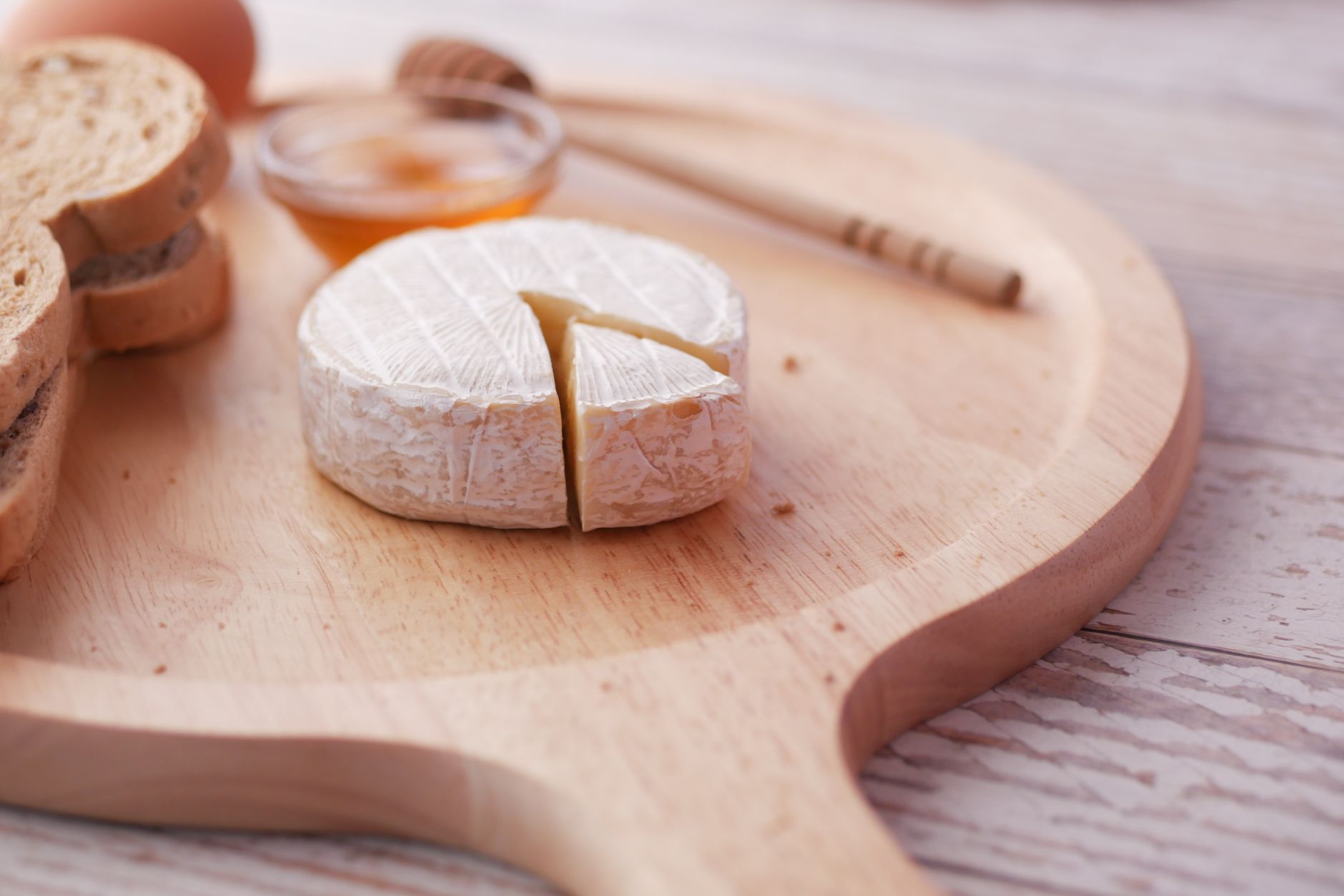
Brie cheese, with its creamy texture and rich flavor, is a beloved addition to many cheese boards and culinary creations. One question that frequently arises among cheese lovers is whether or not you should eat the outside of Brie cheese. Understanding the nature of this soft cheese’s rind, its taste, and how it can enhance your overall cheese experience is key to enjoying it fully.
This article will explore the rind of Brie cheese, delve into its flavors and textures, provide tips on how to serve it correctly, and discuss various uses for Brie in the kitchen. Whether you’re a cheese connoisseur or a beginner, this guide will enrich your knowledge and appreciation of this delightful cheese.
Do You Eat the Outside of Brie Cheese?
Yes, you can eat the outside of Brie cheese, which is typically a soft, edible rind made from penicillium mold. The rind adds a unique flavor and texture to the cheese and can enhance the overall tasting experience. If you enjoy the distinct earthy taste, it is highly recommended to include it when tasting Brie.
Understanding the Rind of Brie Cheese
The rind of Brie cheese plays a significant role in its flavor profile. Here’s what you need to know:
- Composition: The rind is formed through the cheese-making process, involving the surface developing a white mold. This mold contributes to the soft, creamy texture we associate with Brie.
- Flavor: The outer layer often has a slightly earthy, tangy flavor that complements the creaminess of the cheese. Many cheese lovers appreciate the complexity the rind adds to the overall taste experience.
- Texture: The rind is soft and somewhat chewy, providing a contrast to the smooth, creamy interior. Some find the combination of textures delightful.
The Taste Experience of Brie Cheese Rind
When tasting Brie cheese, the rind contributes much more than just a simple covering. Here are some points to consider:
- Flavor Variations: Depending on the specific Brie variety, the flavor of the rind can vary. Some may have subtle notes of mushroom or even hints of nuttiness.
- Contrasting Sensations: The combination of the creamy inside and the textured, slightly firm outside can elevate your tasting experience.
- Wine Pairing: The rind’s complex flavors can pair well with various wines, enhancing your cheese and wine tasting.
How to Properly Serve and Enjoy Brie Cheese
Serving Brie cheese correctly can greatly enhance the tasting experience. Here are some practical tips:
When to Cut and Serve
Brie is best served at room temperature. To achieve this:
- Remove the Brie cheese from the refrigerator about 30 to 60 minutes before serving.
- This allows the cheese to soften, enhancing the flavor and making it easier to cut.
Cutting the Cheese
Using the right technique when cutting Brie is essential to ensure everyone gets to enjoy both the inner cheese and the rind.
- Use a cheese wire, sharp knife, or a soft cheese knife to slice through the cheese.
- Cut wedges from the center outward, ensuring each piece includes both the rind and the creamy interior.
Pairing Suggestions
Brie cheese pairs beautifully with a variety of accompaniments. Here are some options:
- Fruits: Fresh fruits like apples, pears, and grapes offer a refreshing contrast to the richness of Brie.
- Nuts: Walnuts or almonds provide a pleasant crunch and additional flavors.
- Crackers and Breads: Offer an assortment to complement the creamy cheese, including crunchy crackers or soft baguette slices.
- Charcuterie: Prosciutto or salami can enhance the overall flavor profile of your cheese platter.
Creative Uses for Brie Cheese
Beyond simply enjoying Brie cheese on its own, consider incorporating it into various recipes and applications. Here are some creative uses:
Brie Cheese Dishes
Brie can elevate many dishes. Consider these ideas:
- Brie in Baked Dishes: Melted Brie is delicious in baked pasta dishes, adding creaminess and depth of flavor.
- Quesadillas: Use Brie as a filling alongside vegetables and meats for a rich quesadilla.
- Stuffed Chicken: Stuff chicken breasts with Brie, herbs, and spinach for a gourmet main course.
- Brie and Jam: Spread Brie over toast and top with your favorite jam or fruit preserves for a sweet and savory snack.
Brie Cheese Appetizers
These appetizers are great for entertaining:
- Brie Bites: Wrap Brie in puff pastry, bake until golden, and serve with a honey drizzle.
- Brie Fondue: Melt Brie with a touch of garlic and white wine, perfect for dipping bread and vegetables.
Storage and Shelf Life of Brie Cheese
Proper storage ensures your Brie cheese remains enjoyable. Here’s how to maximize its shelf life:
Storage Recommendations
- Keep Brie cheese wrapped in its original packaging or in wax paper to maintain moisture.
- Store in an airtight container in the refrigerator.
- Avoid freezing Brie, as it can alter the texture and taste.
Shelf Life Guidelines
Typically, Brie cheese can last:
- Unopened: 1 to 2 weeks past the sell-by date.
- Opened: About 5 days to 1 week, depending on storage conditions.
Common Mistakes When Enjoying Brie Cheese
To enjoy your Brie cheese fully, avoid these common pitfalls:
- Serving Cold: Serving Brie straight from the fridge can mute its flavors. Always allow it to come to room temperature.
- Discarding the Rind: Some may shy away from the rind, missing out on its unique flavors and textures.
- Pairing Incompatibly: Avoid pairing Brie with overly sweet or strong flavors that can overwhelm its subtle taste.
Addressing Dietary Preferences and Restrictions
When serving Brie cheese, it’s important to be mindful of dietary restrictions:
- Vegetarian: Most Brie cheeses are made with microbial rennet, making them suitable for vegetarians. However, always check labels.
- Lactose Sensitivity: While Brie contains less lactose than many other cheeses, those with severe lactose intolerance may want to opt for vegan alternatives.
Brie: A Cultural Icon
This creamy cheese has deep roots in French culinary tradition:
- Origin: Brie originated from the Île-de-France region in France and has been cherished for centuries.
- Premium Quality: Authentic Brie de Meaux is a protected designation cheese with stringent quality controls in place.
Conclusion
Enjoying Brie cheese, including its delicious rind, is a delightful culinary experience. Whether on a cheese board, in a baked dish, or as a gourmet snack, understanding its characteristics enriches your appreciation. Next time you encounter Brie, don’t hesitate to include the rind, and savor the full spectrum of its unique flavors.
Explore new culinary delights with Brie by trying your hand at creative dishes or expanding your cheese knowledge with additional resources found in our blog, including various recipes and informative guides on cheese pairing.