
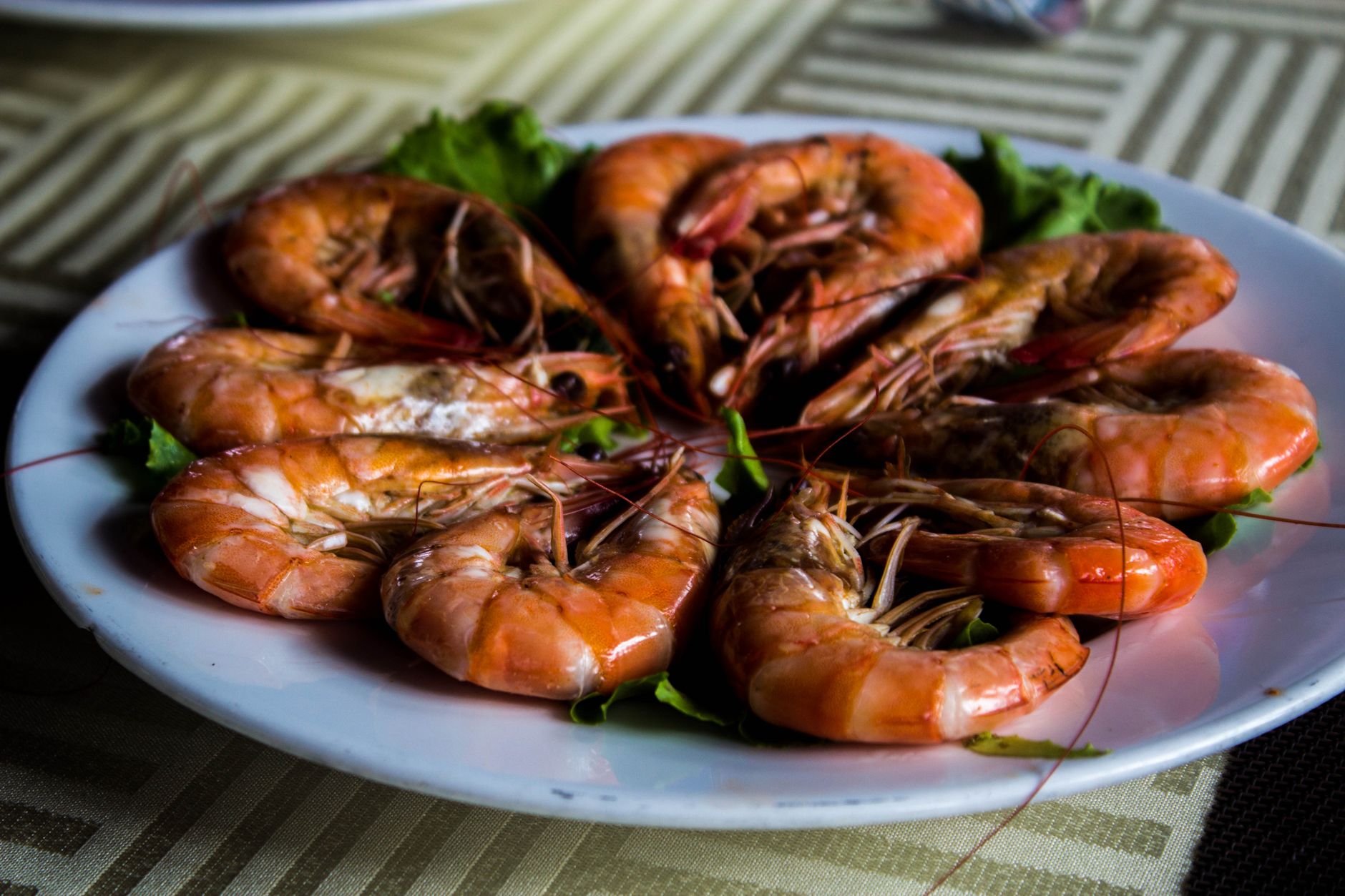
Radioactive shrimp may sound like a seafood horror story, but the term refers primarily to shrimp that have been exposed to increased levels of radiation, typically from environmental contamination. This article will explain the origins of radioactive shrimp, how they affect our food systems, and their place in culinary discussions.
Understanding radioactive shrimp is crucial not only for environmental awareness but also for those who are keen on seafood safety and sustainability. This guide will cover the causes of radioactive shrimp, any potential health implications, and practical advice for sourcing safe seafood alternatives.
What Is Radioactive Shrimp?
Radioactive shrimp are crustaceans that contain radioactive isotopes due to contamination from nuclear waste or fallout from events like nuclear power plant accidents. In many regions, particularly near coastal areas, shrimp can absorb these isotopes from their environment, potentially making them unsafe for consumption. Understanding this phenomenon is key to ensuring our seafood is safe and sustainably harvested.
Sources of Radiation in Marine Environments
Radioactive isotopes can enter the ocean and impact marine life, including shrimp, from various sources. The primary culprits include:
- Nuclear Accidents: Events like the Chernobyl disaster and Fukushima Daiichi nuclear disaster released significant radioactive materials into the environment, affecting the surrounding ecosystems.
- Industrial Discharges: Some industries release radioactive waste into waterways, leading to contamination. This often includes effluents from mining operations and energy production.
- Natural Radionuclides: Some areas have naturally occurring radioactive materials in soil and rock formations that can leach into waterways and affect marine life.
Effects of Radiation on Shrimp
When shrimp are exposed to radiation, it can impact their biological systems. Here are a few ways radiation can affect shrimp:
- Physiological Changes: Radiation can lead to changes in the growth and reproductive capabilities of shrimp, potentially resulting in decreased populations over time.
- Radioactive Accumulation: Some radioactive isotopes, like cesium-137 and strontium-90, can accumulate in the tissues of shrimp, posing health risks to predators, including humans, who consume them.
- Cellular Damage: High levels of radiation can cause cellular damage, affecting metabolic processes and leading to increased mortality rates in affected populations.
Health Implications of Consuming Radioactive Shrimp
Eating contaminated shrimp may have serious health implications, particularly due to prolonged exposure. Here are some potential health risks:
- Cancer Risks: Prolonged ingestion of radioactive substances is linked to various cancer types, due to increased gamma radiation exposure.
- Radiation Sickness: Acute consumption of high levels of radioactive substances may lead to acute radiation syndrome, leading to severe health issues.
- Effect on Immune System: Chronic exposure may weaken the immune response, making individuals more susceptible to infections and diseases.
Identifying Safe Shrimp
When selecting shrimp, it is important to ensure they are safe for consumption. Here are some tips to identify safe shrimp:
- Source Verification: Look for shrimp sourced from reputable fisheries or farms. Certification from organizations such as the Marine Stewardship Council (MSC) can also provide the assurance of sustainable practices.
- Regional Safety Announcements: Stay informed about local advisories related to seafood consumption, particularly in coastal regions known to be near nuclear facilities.
- Label Awareness: Always check labels for information related to sourcing, especially if the shrimp are wild-caught or farmed in certain regions.
Culinary Uses for Shrimp
Shrimp remains a popular ingredient globally due to its versatility and flavor. Here’s how you can use shrimp safely in your kitchen:
Cooking Methods
Shrimp can be prepared in various ways, each enhancing their natural flavor:
- Grilling: Marinate shrimp in olive oil, garlic, and herbs before grilling them for a smoky flavor.
- Boiling: A straightforward method often used in shrimp cocktail recipes. Boil shrimp in salted water for about 2-3 minutes until pink.
- Stir-Frying: Quick and effective, stir-frying shrimp with vegetables and sauces can create lively and nutritious meals.
Flavor Pairings
Shrimp pairs well with a variety of ingredients that complement its sweetness:
- Citrus: Lemon and lime elevate the natural flavor of shrimp and add freshness to your meals.
- Spices: Ingredients like chili, garlic, and paprika complement shrimp’s delicate taste.
- Herbs: Fresh herbs, such as parsley or cilantro, can bring an aromatic touch to shrimp dishes.
Substituting Shrimp in Recipes
For those avoiding shrimp, various substitutions can create similar textures and flavors:
- Chicken: Diced chicken breast can work well in sautéed or stir-fried recipes.
- Tofu: For a vegetarian substitute, firm tofu absorbs flavors well and can be prepared similarly.
- Seafood Mix: Various shellfish can replace shrimp with a similar oceanic flavor, such as scallops or crab.
Common Mistakes When Cooking Shrimp
Here are some common cooking mistakes and how to avoid them:
- Overcooking: Shrimp cooks quickly; overcooked shrimp can become rubbery. Aim for a few minutes on high heat until they turn pink and opaque.
- Not Thawing Properly: If using frozen shrimp, always thaw them in the refrigerator overnight or under cold running water before cooking.
- Neglecting Seasoning: Shrimp benefits from marination or seasoning. Don’t skip it for bland results.
Storage and Reheating
When handling shrimp, proper storage is crucial for freshness and safety:
- Storage: Raw shrimp should be stored in the coldest part of your refrigerator and should be cooked within one to two days after purchase.
- Freezing: Cooked shrimp can be frozen for up to six months. Store in airtight containers to prevent freezer burn.
- Reheating: Use low heat when reheating cooked shrimp to prevent overcooking. A gentle pan sautée or brief microwave reheat works well.
Radioactive Shrimp and Environmental Advocacy
Awareness of radioactive shrimp is essential in understanding environmental impacts. By advocating for stronger regulations on nuclear waste management and fishing practices, consumers can play a role in promoting safe seafood options. Participating in sustainability programs or supporting local fisheries can help minimize the risk of consuming contaminated seafood.
Conclusion
Radioactive shrimp pose significant health concerns due to their exposure to harmful radiation. However, by being informed and cautious about sourcing, cooking, and consuming shrimp, one can enjoy this seafood delicacy safely. It is imperative to stay updated on environmental changes and seafood advisories to ensure you are making the best culinary choices.
For those interested in further expanding their culinary skills, consider exploring recipes such as Creamy Coconut Shrimp or try making your own Shrimp Sauce to elevate your dishes.