
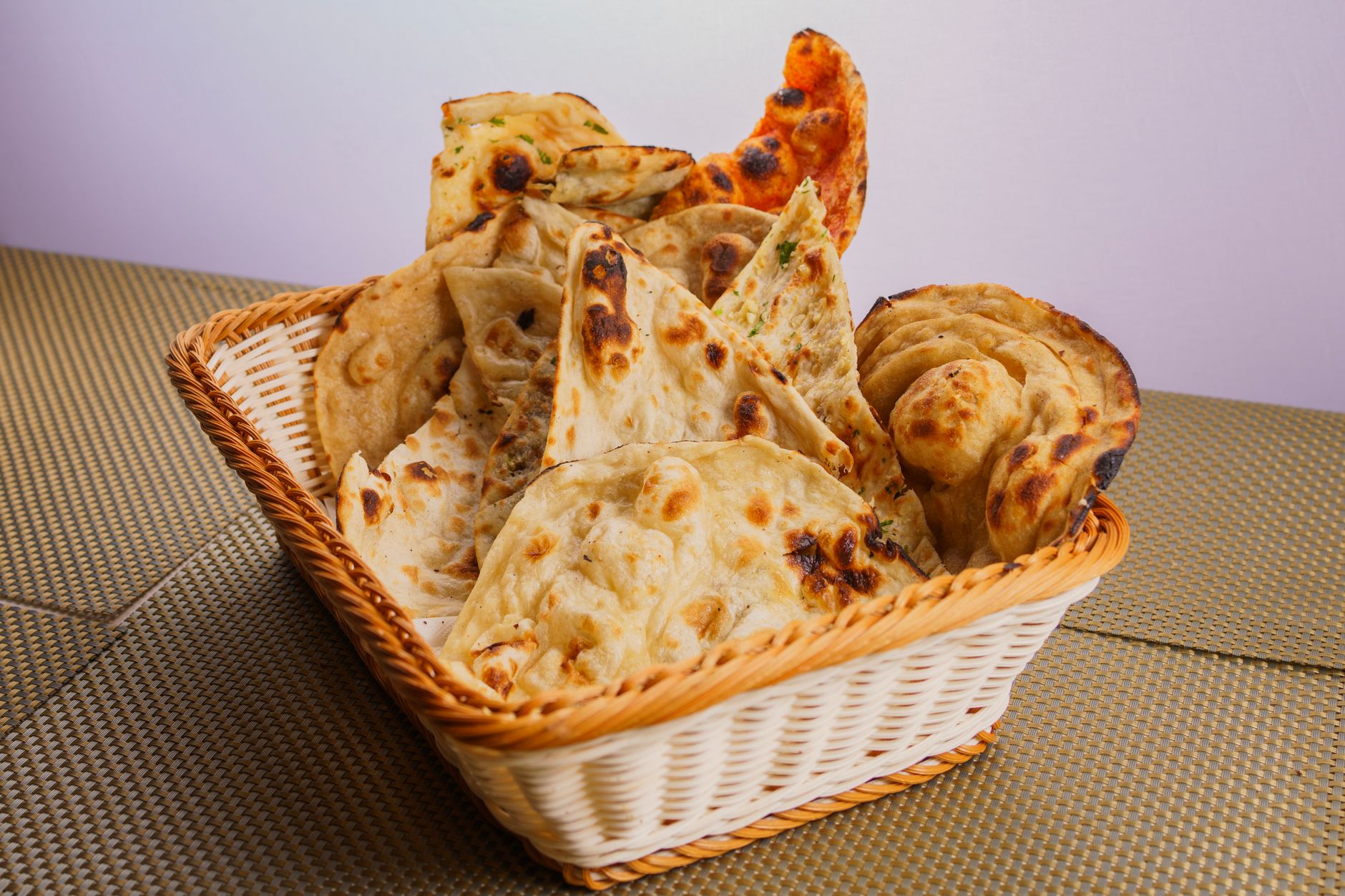
Naan is a traditional Indian flatbread that is beloved not only for its taste but also for its versatility in cuisine. The question “Does naan have yeast?” is common among those exploring this popular dish, often leading to discussions about its ingredients, flavor, and various uses. Understanding the role of yeast in naan can enhance your cooking experience and allow you to make informed choices as you prepare this delightful bread.
This article provides insights into the ingredients of naan, the influence of yeast on its flavor and texture, and practical kitchen uses. Whether you are a seasoned cook or a beginner in the kitchen, you’ll find valuable information about naan’s preparation and its role in meals.
Does Naan Have Yeast?
Yes, traditional naan does contain yeast. Yeast acts as a leavening agent, helping the dough to rise and create a light, airy texture. However, there are variations of naan that may use yogurt or baking powder as alternatives to yeast, especially for those seeking quicker or yeast-free options.
Ingredients of Naan
The classic naan recipe typically includes the following key ingredients:
- All-purpose flour or whole wheat flour
- Yeast (active dry yeast or instant yeast)
- Warm water
- Salt
- Sugar (optional, to help activate the yeast)
- Yogurt (for flavor and texture, making the naan softer)
- Ghee or oil (for richness)
Each ingredient plays a vital role in contributing to naan’s characteristic flavor and texture. The use of yogurt not only adds a tangy flavor but also helps to keep the bread moist.
The Role of Yeast in Naan
Yeast fermentation is crucial in naan-making. When yeast is added to the dough, it ferments sugars, resulting in carbon dioxide production. This produces bubbles within the dough, causing it to rise and expand. The result is the fluffy, pillowy texture associated with freshly made naan.
Types of Yeast Used in Naan
There are primarily two types of yeast that are used in making naan:
- Active dry yeast: This type requires proofing, which means dissolving it in warm water with sugar before adding it to the dry ingredients. It is widely used for its reliability and availability.
- Instant yeast: Also known as rapid-rise yeast, it can be mixed directly into dry ingredients without proofing. It is convenient and works quickly, ideal for those looking to save time.
Flavor and Texture with Yeast
Using yeast doesn’t just contribute to the texture; it also impacts the flavor of naan. The fermentation process from yeast adds depth and complexity to the bread. The resulting naan has a slight tang, enhancing its appeal when paired with rich curries and stews.
When baking naan in a tandoor (a traditional clay oven), the high heat helps to create a crispy exterior while keeping the inside soft and chewy. This unique texture cannot be replicated easily with non-yeast recipes.
Variations of Naan Without Yeast
For those who prefer to make naan without yeast, there are a few alternatives that still yield satisfying results:
- Yogurt naan: This version uses yogurt as the primary leavening agent, providing both tanginess and moisture. It does not require rising time, making it a favored option for quick preparation.
- Baking powder naan: A mixture of flour, baking powder, and yogurt can create a similar texture to traditional naan. This method significantly reduces the total prep time, allowing for quicker meals.
- Flatbreads: Many recipes exist for yeast-free flatbreads that can be cooked on a skillet. These are often made with flour, water, and a little salt, and are rolled out and cooked until brown.
Experimenting with these variations can lead to delightful changes in flavor and texture, although they may not replicate the authentic naan experience exactly.
How to Make Traditional Naan
For those interested in making traditional naan at home, here’s an overview of the process that showcases the key steps and techniques.
Yield
This recipe yields approximately 8 pieces of naan.
Preparation and Cooking Time
Preparation time: 1 hour 30 minutes (includes 1 hour for dough rising)
Cooking time: 10 minutes
Total time: 1 hour 40 minutes
Ingredients
- 3 ½ cups all-purpose flour
- 1 packet (2 ¼ teaspoons) instant yeast
- 1 teaspoon sugar
- 1 teaspoon salt
- 1 cup warm water (110°F or 43°C)
- ⅓ cup plain yogurt
- 2 tablespoons ghee or vegetable oil (plus more for cooking)
Essential Equipment
- Mixing bowl
- Rolling pin
- Cast iron skillet or tandoor
- Clean kitchen towel or plastic wrap (for covering dough)
- Cooking brush (for applying ghee or butter)
Steps to Make Naan
- In a mixing bowl, combine warm water, yeast, and sugar. Let it sit for about 5-10 minutes until frothy.
- Add flour, salt, yogurt, and ghee into the yeast mixture. Begin mixing until a dough forms.
- Turn the dough onto a floured surface and knead for about 8-10 minutes until smooth and elastic.
- Place the dough in a lightly greased bowl, cover with a damp cloth, and let it rise in a warm area for about 1 hour, or until doubled in size.
- Once the dough has risen, punch it down and divide it into 8 equal portions. Roll each portion into a ball.
- On a floured surface, roll out one ball into a flat oval or circle, about ¼ inch thick.
- Preheat a cast iron skillet over medium-high heat. Place the rolled naan onto the hot skillet and cook for 1-2 minutes until bubbles form.
- Flip the naan and cook for an additional 1-2 minutes until browned. Optional: brush with ghee or butter after cooking.
- Repeat the process with the remaining portions of dough.
- Serve hot with your favorite dish.
Common Mistakes and Troubleshooting
When making naan, several common pitfalls can affect the final product:
- Dough not rising: If your dough doesn’t rise, ensure the yeast is fresh and that the water is warm enough without being too hot, as high temperatures can kill the yeast.
- Sticking dough: Always use enough flour during rolling to prevent sticking. If you find the dough too sticky, knead in additional flour a little at a time.
- Poor texture: The dough should be kneaded adequately to develop gluten, which provides the desirable chewy texture. Kneading for at least 8-10 minutes is essential.
Serving Suggestions for Naan
Naan is incredibly versatile and pairs well with various dishes. It can be served with:
- Curries (chicken tikka masala, lamb curry, paneer butter masala)
- Stews (dal makhani, rajma)
- Grilled meats (kebabs, tandoori chicken)
- As a base for inventive flatbread pizzas or wraps
Additionally, naan is fantastic for mopping up sauces and gravies, making it an essential component of Indian and Pakistani cuisine.
Make-Ahead Options and Storage
If you’re planning to make naan ahead of time, consider these tips:
- Freezing uncooked dough: After dividing the risen dough into balls, flatten them slightly, wrap them in plastic wrap, and freeze. They can be cooked directly from frozen, but add a couple of minutes to the cooking time.
- Storing cooked naan: Cooked naan can also be stored in the refrigerator for up to three days. To reheat, wrap in aluminum foil and warm in the oven or quickly on a skillet.
- Freezing cooked naan: Cooked naan freezes well wrapped tightly in plastic wrap and placed in a freezer bag for up to three months. Thaw at room temperature or reheat directly from frozen.
Conclusion
Naan is a wonderful bread that features yeast as a fundamental ingredient in its traditional form, providing a delightful texture and flavor. Whether you’re whipping up classic naan or exploring yeast-free versions, understanding the elements at play can enhance your cooking and meal enjoyment. Try making naan from scratch in your kitchen and serve it alongside your favorite dishes for a genuine culinary experience.
For those interested in more bread recipes, check out our sourdough naan recipe and if you’re looking for desserts, our easy doughnut recipe without yeast is a must-try! Explore these links to elevate your cooking repertoire.