
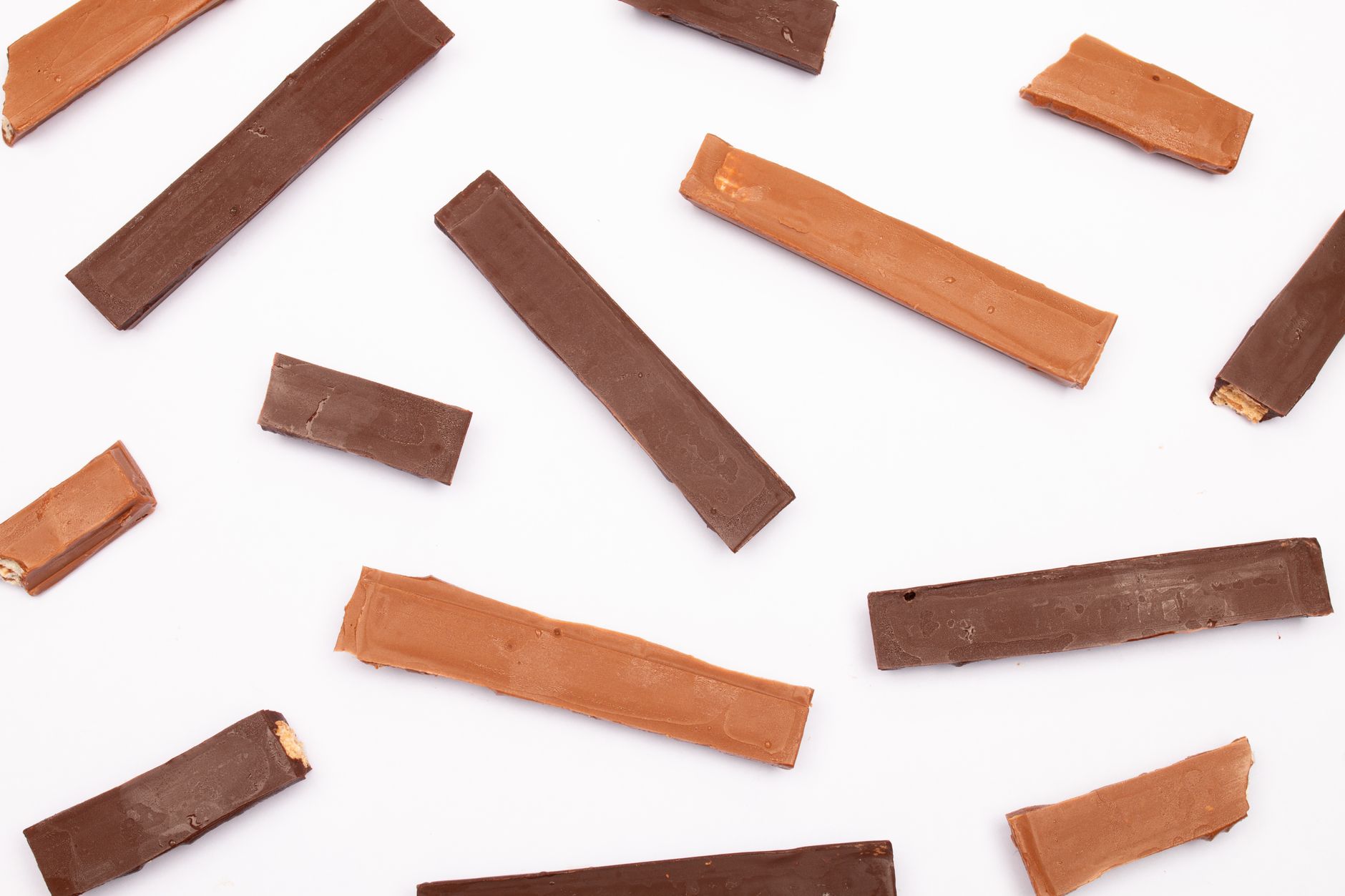
Chocolate holds a special place in many diets, prized for its rich flavor and versatility. Its journey from bean to bar has been long and storied, marked by significant transformations. The question, “When was the first chocolate bar made?” opens a fascinating door into chocolate history and its evolution into the beloved treat we know today.
This article explores the origins of chocolate, the creation of the first chocolate bar, and how it has evolved over the years into a global favorite. By diving into these details, we can better appreciate this delightful ingredient and its myriad uses in modern cooking and baking.
When Was the First Chocolate Bar Made?
The first chocolate bar was created in 1847 by Joseph Fry in England. Fry, a chocolate manufacturer, found a way to mix cocoa powder, sugar, and cocoa butter, creating a moldable paste that could be shaped into bars. This innovation marked a pivotal moment in chocolate history, moving it from beverages to solid forms.
The Early History of Chocolate
To understand the significance of Fry’s invention, it helps to look at chocolate’s early history. Chocolate dates back to ancient civilizations in Central America, where the Mayans and Aztecs used cacao beans in various ways.
- The Mayans: The Mayans were among the first to cultivate cacao and create a beverage known as “xocoatl,” a bitter drink that included spices and sometimes honey. This beverage was considered sacred and was often used in ceremonies.
- The Aztecs: The Aztecs also cherished cacao, using it as a form of currency and in rituals. Their version of chocolate was often flavored with vanilla and chili, giving it a unique taste.
After arriving in Europe in the 16th century, chocolate began to be sweetened and adapted to European tastes, often served as a hot beverage. It wasn’t until the 19th century that solid chocolate began to gain popularity.
Joseph Fry and the First Chocolate Bar
The creation of the first chocolate bar can be credited to Joseph Fry, a member of an established family of chocolate makers in England. In 1847, he discovered that by adding melted cacao butter to cocoa powder and sugar, he could produce a chocolate paste that could be poured into molds. This innovation laid the groundwork for the modern chocolate bar.
Fry’s chocolate bar was initially sold as a cooking chocolate, used for baking rather than as a confection. However, this marked the beginning of solid chocolate bars, paving the way for further developments in the chocolate industry.
The Evolution of Chocolate Bars
After Fry’s pioneering creation, chocolate bars underwent significant changes throughout the 19th and 20th centuries. Several key figures and innovations played important roles in this evolution.
1. The Cadbury Brothers
Following Fry’s invention, the Cadbury brothers introduced their own chocolate bar in 1849, expanding on Fry’s concept. They focused on adding milk to chocolate, creating a creamier product that appealed to consumers. In 1875, Daniel Peter, in collaboration with Henri Nestlé, introduced milk chocolate, a further innovation that significantly boosted chocolate’s popularity.
2. The Hershey Revolution
In the United States, Milton Hershey capitalized on the milk chocolate trend, producing the first mass-produced milk chocolate bars in 1900. Hershey’s chocolate bars quickly gained popularity and established the brand as a household name.
3. The Chocolate Bar Variety Explosion
By the mid-20th century, numerous chocolate bars were available on the market. Varieties such as Snickers, Mars, and Milky Way were introduced, catering to different tastes and preferences. The addition of nuts, nougats, and caramel diversified the types of chocolate bars available, making them a staple in snack options worldwide.
Modern Uses of Chocolate Bars
Today, chocolate bars are not just enjoyed as splendid snacks; they serve multiple purposes in the culinary world. From baking to garnishing, here are some contemporary uses of chocolate bars.
Baking and Cooking
Chocolate bars can be used in various recipes, such as:
- Brownies: Chopped chocolate bars can provide a rich, fudgy texture and intense flavor in brownie recipes.
- Cakes: Melted chocolate bars can be incorporated into cake batters or used as a ganache to frost cakes.
- Cookies: Chocolate chunks or broken pieces of chocolate bars can be added to cookie dough for a delightful treat.
Garnishing
Chocolate bars can also be utilized for garnishing desserts. Shavings or curls of chocolate make for elegant decoration on cakes, cupcakes, or puddings, elevating their appearance and flavor.
Homemade Chocolate Recipes
Chopping and melting chocolate bars allows you to create simple homemade chocolate desserts, such as:
- Chocolate bark: Melt your favorite chocolate bars, mix them with nuts and dried fruits, spread them onto a parchment-lined baking sheet, and let them set.
- Chocolate fondue: Melt chocolate bars with cream in a fondue pot and enjoy with fruit, marshmallows, or cookies for dipping.
Choosing the Right Chocolate Bar
When selecting chocolate bars for cooking or snacking, consider the following factors:
- Cocoa Content: Higher cocoa content (70% or more) typically results in a more intense chocolate flavor with less sweetness.
- Type: Choose between dark, milk, and white chocolate based on your culinary needs and flavor preferences.
- Ingredients: Look for chocolate bars with minimal ingredients for a better quality product. Ideally, choose bars that contain cocoa mass, cocoa butter, sugar, and possibly milk.
Common Chocolate Mistakes and Troubleshooting
While working with chocolate, common mistakes can happen. Here are tips on what to avoid and how to correct them:
- Seizing Chocolate: If chocolate seizes and becomes grainy, it may have come into contact with water. You can fix it by adding a small amount of warm, solid fat (like coconut oil) to rescue the chocolate.
- Burning Chocolate: Chocolate can burn easily when melting. Always use low heat (double boiler method or microwave) and stir frequently for the best results.
- Inconsistent Chocolate Tempering: When tempering chocolate for coating or enrobing, ensure you properly melt it and cool it, checking for the right shine and snap before use.
Storage Solutions for Chocolate
Proper storage is essential to maintain the quality of chocolate bars. Follow these guidelines:
- Temperature: Store chocolate in a cool and dry place, ideally between 65°F and 70°F (18°C to 21°C).
- Humidity: Keep chocolate away from moisture, as humidity can lead to bloom (white powdery surface). A pantry or cupboard is often ideal.
- Odor: Chocolate absorbs odors easily. Store it in an airtight container to keep it from picking up unwanted smells from other foods.
Conclusion
The first chocolate bar created by Joseph Fry in 1847 revolutionized the world of chocolate, setting the stage for the vast variety of chocolate products we enjoy today. From its rich history to modern culinary uses, chocolate continues to delight taste buds around the globe.
As you explore the vast world of chocolate, consider trying your hand at the different recipes and techniques it has to offer. From baking with chocolate to making homemade treats, the possibilities are endless.
For more chocolate inspiration, check out our Dubai Chocolate Recipe and enjoy our delicious Mexican Hot Chocolate Recipe for a unique take on this rich ingredient.