
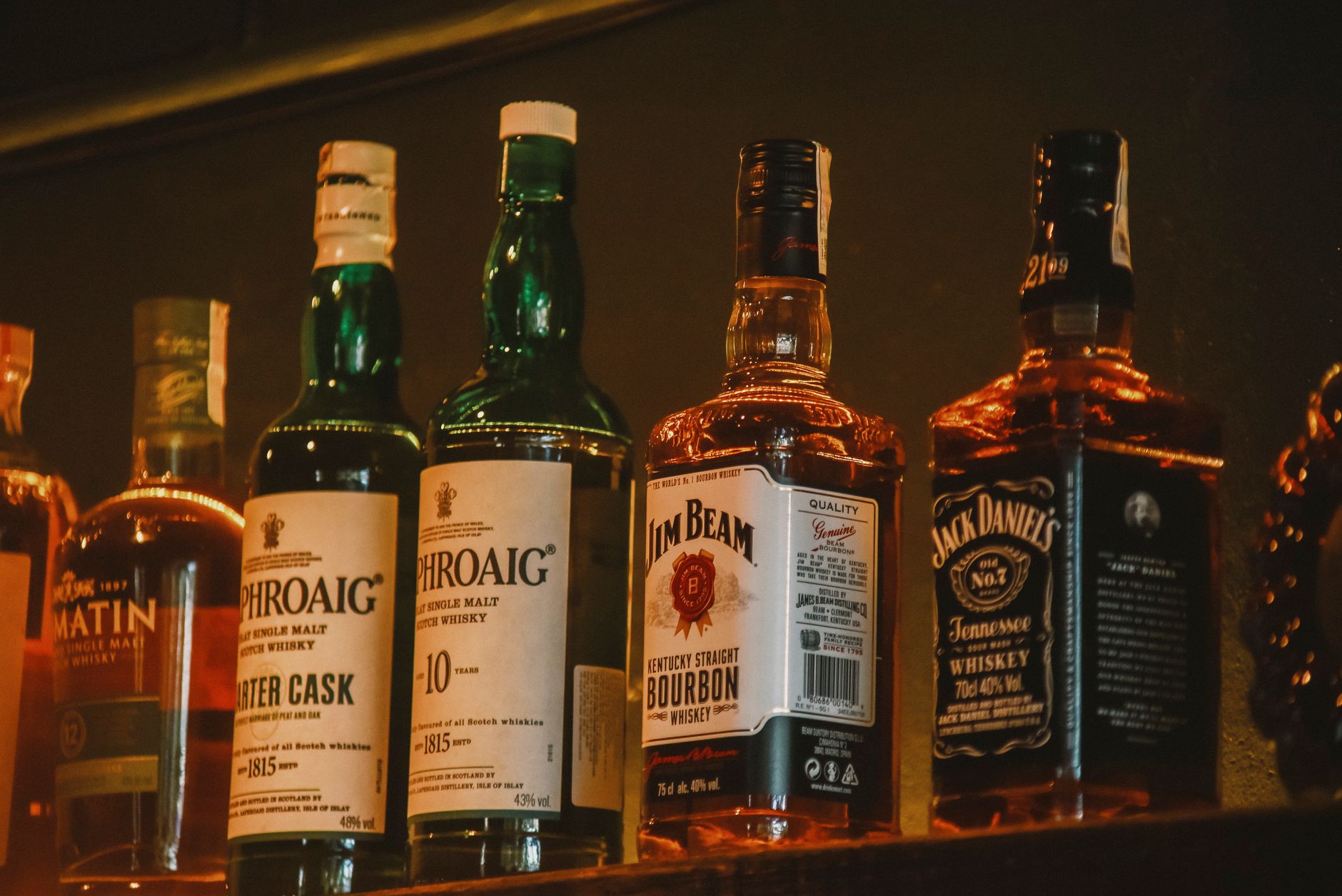
Bourbon is one of the most popular types of whiskey, known for its rich, smoky flavor profile and versatility in cocktails. Many enthusiasts and casual drinkers alike may wonder about the alcohol content in bourbon, as this is crucial for understanding how to appreciate or mix this spirited beverage. Understanding the alcohol by volume (ABV) in bourbon can also help in creating balanced cocktails that highlight its unique character.
This article delves into how much alcohol is present in bourbon, explaining the standard measures, variations among brands, and suggestions on serving bourbon. Whether you’re an experienced mixologist or just learning how to enjoy bourbon, having this knowledge can enhance your drinking experience.
How Much Alcohol Is in Bourbon?
The alcohol content in bourbon typically ranges from 40% to 50% ABV (alcohol by volume), which translates to 80 to 100 proof. Most bourbons available on the market are bottled at around 40% ABV, which is the legal minimum for a spirit to be classified as bourbon. However, some premium or craft bourbons may be bottled at a higher ABV, leading to a more intense flavor.
Here’s a breakdown of the different ABV levels you might encounter:
- Standard Bottled Bourbon: Usually around 40% ABV (80 proof)
- High-Proof Bourbon: Can range from 50% to 60% ABV (100 to 120 proof)
- Cask Strength Bourbon: Typically between 55% and 65% ABV (110 to 130 proof), bottled straight from the barrel without dilution
Different brands may also add their unique bottling specifications, so it’s advisable to check the label when selecting bourbon for cocktails or sipping. Some popular brands, such as Maker’s Mark and Woodford Reserve, generally maintain a standard ABV of 40%, while others, like Booker’s Bourbon, can reach up to 65% ABV.
Understanding ABV and Its Importance
Alcohol by volume (ABV) is a standard measure used worldwide to quantify the amount of alcohol (ethanol) contained in a beverage. Knowing the ABV of bourbon is essential for several reasons:
- Cocktail Mixing: Understanding the alcohol content will help you balance cocktails properly, preventing overly strong or weak mixes.
- Personal Tolerance: Knowing the strength will aid in managing your intake, as higher ABVs can lead to faster intoxication.
- Culinary Uses: If you are utilizing bourbon in cooking or baking, recognizing the alcohol content can help you adjust recipes to achieve the desired flavor intensity.
How to Serve Bourbon Appropriately
When you enjoy bourbon, serving methods can enhance the overall experience. Here are common ways to serve bourbon:
Neat
Pour bourbon into a short glass (often called a rocks or lowball glass) and serve without any mixers. This allows you to savor the full flavor profile.
On the Rocks
For a chilled experience, serve bourbon over ice. Be cautious, as the melting ice will dilute the drink over time.
Cocktails
Bourbon lends itself well to various cocktails. Classic options include:
- Old Fashioned: Bourbon, sugar, Angostura bitters, and an orange twist.
- Mint Julep: Bourbon, sugar, fresh mint, and crushed ice.
- Whiskey Sour: Bourbon, lemon juice, and simple syrup, shaken and served over ice.
In Cooking and Baking
Bourbon is not just a drink; it can be used as an ingredient in sauces, marinades, and desserts. For example, bourbon glaze is a popular choice for meats, and it can also be used in various dessert recipes like bourbon chocolate cake.
Bourbon Cocktails: Understanding Ratios
- 2:1 Ratio for Cocktails: For an Old Fashioned, use 2 ounces of bourbon to 1 teaspoon of sugar.
- 3:1 Ratio for Whiskey Sours: A typical recipe calls for 2 ounces of bourbon, 1 ounce of lemon juice, and 1 ounce of simple syrup.
- High-Proof Cocktails: When using high-proof bourbons, you may want to reduce the quantity of bourbon to maintain balance. For instance, use 1.5 ounces instead of the standard 2 ounces.
Common Bourbon Brands and Their ABV
| Brand | ABV | Proof |
|---|---|---|
| Maker’s Mark | 40% | 80 |
| Woodford Reserve | 40% | 80 |
| Buffalo Trace | 45% | 90 |
| Booker’s Bourbon | 63.5% | 127 |
| Basil Hayden’s | 40% | 80 |
As you select a bourbon, consider your preferences in flavor and strength. The listed ABV can give a hint towards how robust and complex the bourbon might be.
Bourbon and Cooking
Bourbon can enhance various dishes, infusing them with depth and complexity. Here are a few applications of bourbon in cooking:
- Marinades: Use bourbon with soy sauce, brown sugar, and garlic to create a flavorful marinade for meats.
- Glazes: Combine bourbon with honey, mustard, and various spices to create a glaze for grilling.
- Desserts: Bourbon can be incorporated into brownies, pies, and cakes to elevate the richness.
Bourbon Glaze Recipe
Here’s a simple recipe for a bourbon glaze that can accompany grilled meats or vegetables:
- Ingredients:
- 1 cup bourbon
- 1/2 cup brown sugar
- 1/4 cup soy sauce
- 2 cloves garlic, minced
- 1 tablespoon Dijon mustard
<
- Combine all ingredients in a saucepan over medium heat.
- Bring to a simmer, allowing it to reduce for about 10–15 minutes until thickened.
- Remove from heat and let cool before using as a marinade or glaze.
Storing Bourbon
Proper storage of bourbon can maintain its quality over time. Here are some tips:
- Keep It Cool: Store bourbon in a cool, dark place to prevent degradation from light and heat.
- Seal the Bottle: Ensure the cap is on tightly to prevent oxidation.
- Avoid Refrigeration: Do not refrigerate bourbon as it can alter the flavor and mouthfeel.
Bourbon Myths and Misconceptions
With the rise in bourbon’s popularity, several myths have circulated. Here are a few misconceptions:
- Bourbon Must Be Made in Kentucky: While most bourbon is produced in Kentucky, it can technically be made anywhere in the U.S.
- All Bourbons Are Sweet: The sweetness of bourbon comes from the corn and the aging process, but flavor profiles can vary widely.
- Higher Proof Means Better Quality: Higher ABVs can lead to stronger flavors, but quality depends on distillation and aging practices.
Conclusion
Understanding the alcohol content in bourbon is essential for both enjoyment and responsible consumption. With an ABV typically ranging from 40% to 50%, bourbon is both strong and versatile. Utilize this knowledge to gauge how you serve bourbon, whether neat, on the rocks, or in cocktails. Remember to explore its culinary potential, as bourbon can elevate a wide array of dishes.
Next time you reach for a bottle of bourbon, consider these insights to enhance your experience. Explore our bourbon glaze recipe or try making bourbon chicken to enjoy the spirit’s flavor in your cooking.