
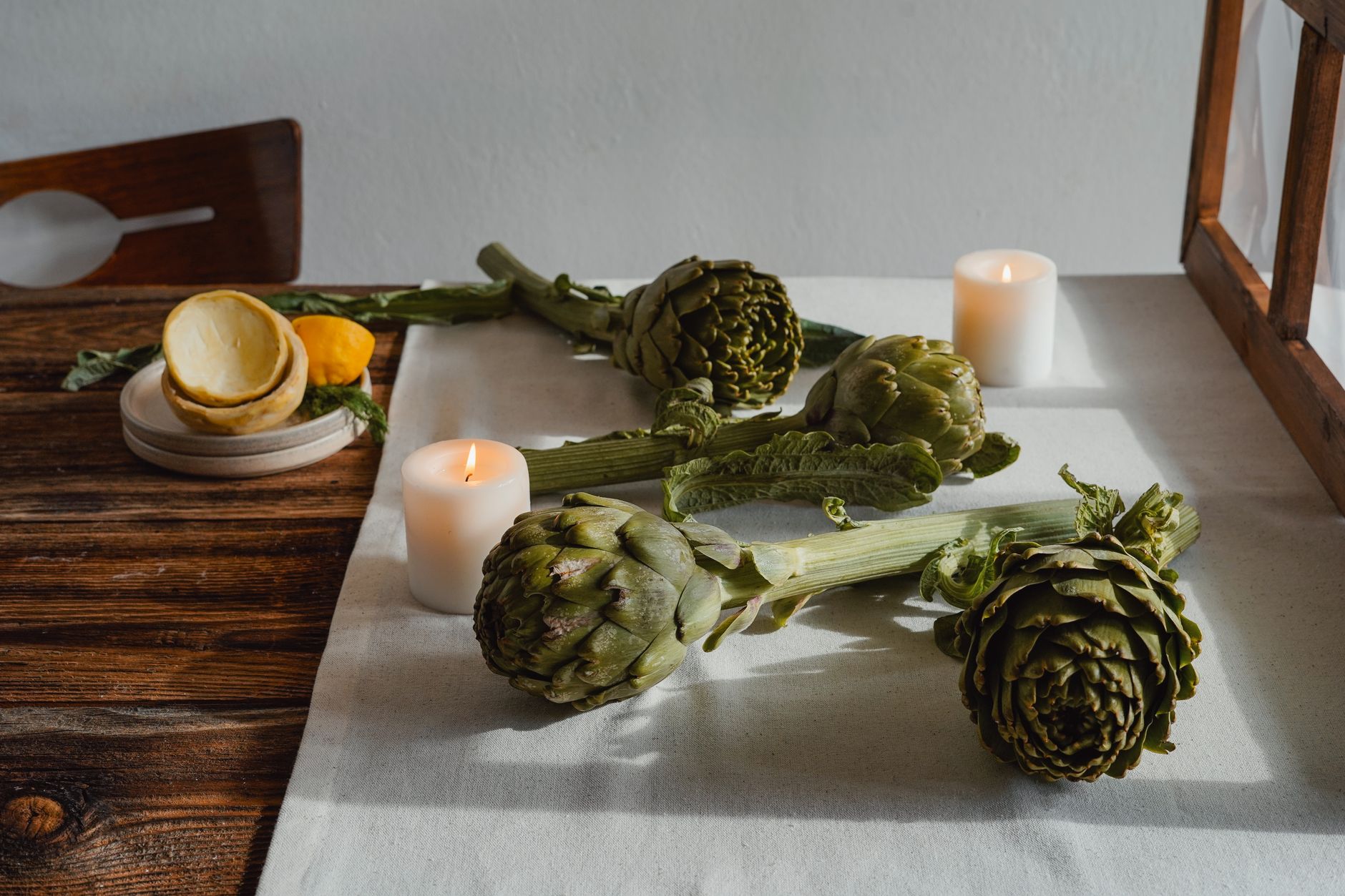
Artichokes are unique, intriguing vegetables known for their distinctive flavor and impressive appearance. They originate from the Mediterranean region and belong to the thistle family, with edible buds that can be prepared in various ways. This guide will explore everything there is to know about artichokes, from their ingredients and flavor to how to serve them.
Whether you’re new to cooking or a seasoned chef, learning how to select, prepare, and enjoy artichokes can enhance your culinary repertoire. Let’s dive into the world of artichokes and discover their versatility!
What Is a Artichoke?
An artichoke, specifically the globe artichoke, is a variety of thistle that produces a large edible flower bud. Before it blooms, the unopened bud is harvested and cooked for consumption. The edible portions include the fleshy parts of the leaves, the heart, and the choke, which is a fibrous structure found at the center of the bud. Artichokes are celebrated for their nutty, slightly sweet flavor and tender texture.
Ingredients and Nutrition of Artichokes
Artichokes are primarily composed of water, fiber, carbohydrates, and various vitamins and minerals, making them a healthy addition to your diet. Below are the main components of artichokes:
- Water: Approximately 85% of an artichoke’s weight comes from water, contributing to its low calorie content.
- Dietary Fiber: Artichokes are an excellent source of dietary fiber, which promotes digestive health.
- Vitamins: They contain vitamins C, K, and various B vitamins, supporting overall health.
- Minerals: Artichokes provide essential minerals such as magnesium, potassium, phosphorus, and iron.
In addition to being nutritious, artichokes are also low in calories, making them a great option for those looking to maintain or lose weight. A medium artichoke contains about 60 calories.
Flavor Profile of Artichokes
The flavor of artichokes is distinctive yet mild, often described as nutty, earthy, and slightly sweet. When cooked, they develop a tender, creamy texture that pairs well with a variety of seasonings and accompaniments. The unique combination of flavors makes artichokes a versatile ingredient in many dishes, whether served plain or incorporated in recipes.
The heart of the artichoke contains the most concentrated flavor, while the leaves have a more textured bite, which makes them great for dipping into sauces or spreads.
How to Select Artichokes
Choosing the right artichokes is essential for a delicious dish. Here are some tips for selecting high-quality artichokes:
- Color and Firmness: Choose artichokes that are vibrant green with tightly closed leaves. They should feel heavy for their size and firm to the touch.
- Aroma: Fresh artichokes have a mild, pleasant aroma. Avoid any that smell musty or off.
- Size: Artichokes are available in various sizes, with larger ones typically being more flavorful. Select based on your intended use, but medium to large artichokes are usually best for cooking.
How to Prepare Artichokes
Preparing artichokes may seem intimidating, but with the right approach, it can be quite simple. Here’s a step-by-step guide on preparing artichokes for cooking:
- Rinse: Start by rinsing the artichokes under cold water to remove any dirt or sand.
- Trim the Stem: Cut off the stem at the base of the artichoke, leaving about an inch. You can also peel the outer layer of the stem to reveal the tender inner part.
- Remove Tough Leaves: Tear off the outermost leaves, which are typically tough and not very edible.
- Trim the Tops: Using a sharp knife, cut off the top inch of the artichoke to remove pointy tips.
- Coat with Lemon: To prevent browning, rub the cut surfaces with lemon juice. This will keep them looking fresh while you cook.
How to Cook Artichokes
There are several methods to cook artichokes, each bringing out different flavors and textures. Here are some popular cooking methods:
Steaming Artichokes
Steaming is a popular cooking method that preserves the artichoke’s flavor and nutrients. To steam artichokes, follow these steps:
- Prepare your steamer setup by filling a pot with about two inches of water and bringing it to a boil.
- Place the prepared artichokes in the steamer basket, stem side down.
- Cover the pot and steam for 25-40 minutes, depending on the size of the artichokes. They are done when a leaf pulls out easily.
Boiling Artichokes
Boiling is another straightforward method. Here’s how to do it:
- In a large pot, bring enough salted water to a boil to submerge the artichokes completely.
- Add the prepared artichokes and cook for 20-30 minutes. They are ready when the leaves can be pulled off easily.
- Once cooked, drain the artichokes and let them cool slightly before serving.
Grilling Artichokes
Grilling artichokes adds a smoky flavor. Here’s how to prepare artichokes for the grill:
- Steam or boil the artichokes until they are tender, as described above.
- Slice the artichokes in half and remove the choke (the fuzzy center).
- Brush the cut sides with olive oil, season with salt and pepper, and grill over medium heat for 5-10 minutes until charred.
Roasting Artichokes
Roasting artichokes creates a deep flavor and crispy texture. Here’s a simple method:
- Preheat the oven to 400°F (200°C).
- Slice the artichokes in half and clean out the choke.
- Drizzle with olive oil, garlic, salt, and pepper, and place them on a baking sheet cut side down.
- Roast for approximately 30-40 minutes, or until tender and slightly crispy at the edges.
Serving Suggestions for Artichokes
Artichokes can be enjoyed on their own or incorporated into various dishes. Here are some ideas on how to serve artichokes:
- Dipping Sauces: Serve cooked artichokes with melted butter, garlic aioli, or vinaigrettes for dipping.
- In Salads: Chop cooked artichokes into salads, pasta dishes, or grain bowls for added flavor and texture.
- Stuffed Artichokes: Fill cooked artichokes with breadcrumbs, herbs, and cheese before baking for a rich side dish.
- Artichoke Hearts: Incorporate canned or jarred artichoke hearts into dips, spreads, or pizza for a burst of flavor.
Artichoke Recipes to Try
Once you’ve mastered cooking artichokes, you can experiment with various recipes. Here are a few suggestions:
- Steamed Artichokes with Garlic Butter
- Artichoke and Spinach Dip
- Grilled Artichoke Salad
- Stuffed Artichokes with Breadcrumbs and Herbs
Storage and Reheating of Artichokes
Cooked artichokes can be stored in the refrigerator in an airtight container for up to 3 days. When reheating, gently warm them in the microwave or steam them again to retain moisture. Raw artichokes should be stored in the refrigerator, ideally wrapped in a damp paper towel, for up to a week.
Common Mistakes and Troubleshooting
While preparing and cooking artichokes, there are some common mistakes to avoid:
- Cooking Too Short: Undercooking artichokes can result in tougher leaves. Ensure they are soft enough to pull off easily.
- Overcooking: Conversely, overcooking can make them mushy. Monitor cooking times, especially when steaming or boiling.
- Not Removing the Choke: Failing to clean out the choke can lead to an unpleasant texture; always check the center of the cooked artichoke.
Artichokes in the Culinary World
Artichokes hold a special place in various cuisines around the world, particularly in Mediterranean cooking. They are often used in Italian dishes like pasta, salads, and antipasti. In Middle Eastern cuisine, artichokes are commonly found in stews and rice dishes. Exploring these culinary uses can expand your appreciation for artichokes and inspire new meals.
Conclusion
Artichokes are not only a visually appealing vegetable but also a flavorful and nutritious addition to many dishes. Learning how to select, prepare, and serve artichokes can greatly enhance your cooking repertoire. Don’t hesitate to experiment with this delightful vegetable and explore its versatility!
For more cooking tips and recipes, explore our related articles on steaming artichokes and other culinary guides. Discover how to incorporate this wonderful vegetable into your meals today!