
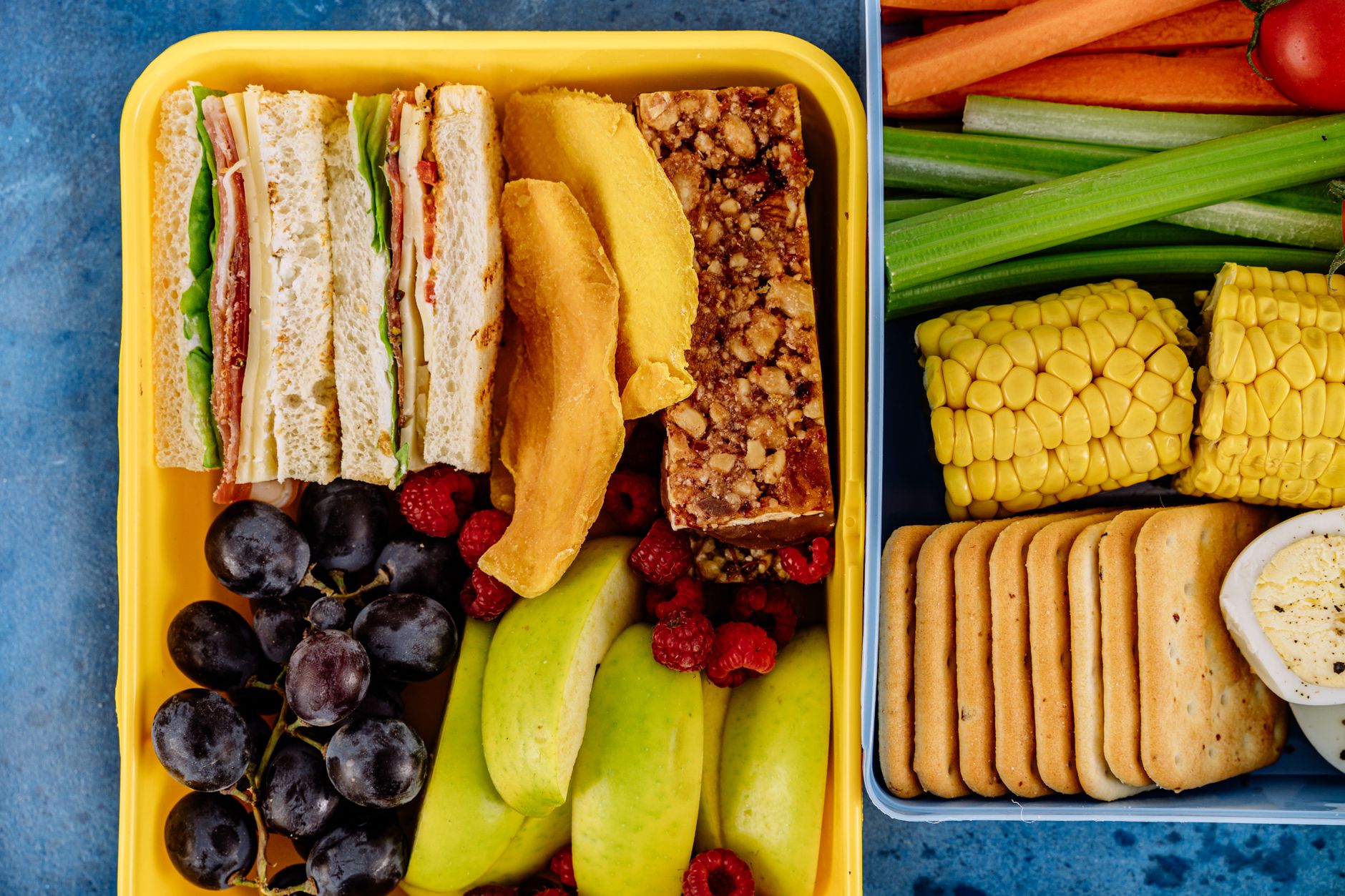
Finding the healthiest snack involves understanding the balance of nutrients, the portions needed, and selecting ingredients that support overall well-being. Snacks can serve as an excellent opportunity to add extra vitamins and minerals to your diet while curbing hunger between meals. This article offers a comprehensive guide on identifying the healthiest snacks, including information on nutrition, portions, and practical suggestions.
With a myriad of snack options available, it can be challenging to determine which ones are genuinely healthy. We’ll explore various types of snacks, their health benefits, and tips on how to put together balanced snack choices. Healthy snacking should not only satisfy your cravings but also enhance your overall nutritional intake.
What Is The Healthiest Snack?
The healthiest snack is one that combines a variety of nutrients, including fiber, protein, healthy fats, and carbohydrates, to provide sustained energy and satisfaction. The ideal healthy snack relies on whole, minimally processed ingredients that contribute to overall wellness.
Key Nutritional Components of Healthy Snacks
Understanding the essential nutritional components will guide you in selecting snacks that contribute to your overall health goals.
1. Fiber
Fiber is crucial for digestive health and can help maintain a feeling of fullness, which is important for weight management. Foods high in fiber include fruits, vegetables, whole grains, legumes, and nuts.
2. Protein
Protein is essential for muscle repair and growth. Including a source of protein in your snacks can help keep you satisfied longer. Options include Greek yogurt, cheese, legumes, nuts, and seeds.
3. Healthy Fats
Healthy fats, such as those found in avocados, nuts, seeds, and olive oil, can provide long-lasting energy and help you feel full. These fats also support brain health and hormone production.
4. Carbohydrates
While often avoided, carbohydrates are a necessary source of energy. Focus on complex carbohydrates, such as whole grains and fruits, which provide essential vitamins, minerals, and fiber.
5. Micronutrients
Vitamins and minerals are vital for various bodily functions. Choose snacks that are rich in nutrients, such as antioxidants, to combat inflammation and promote overall health.
Portion Control and Balance
While nutritious snacks are essential, portion control is equally important to avoid excessive calorie intake. A good rule of thumb is to opt for snacks that fit within the following serving sizes:
- Fruits: 1 medium piece of fruit or 1 cup of diced fruit
- Vegetables: 1 cup of raw vegetables or 2 cups of leafy greens
- Nuts and seeds: A small handful (about 1 ounce or 28 grams)
- Dairy (such as yogurt or cheese): 1 cup for yogurt or one ounce of cheese
- Whole grains: 1/2 cup of cooked grains or 1 ounce of whole-grain crackers
Examples of Healthy Snacks
Here are some delicious and nutritious snack ideas that you can incorporate into your daily routine:
1. Nut Butter with Apple Slices
This combination offers fiber, healthy fats, and protein. Spread 1-2 tablespoons of almond or peanut butter on apple slices for a satisfying snack.
2. Greek Yogurt with Berries
Combine 1 cup of Greek yogurt with a handful of fresh or frozen berries. This snack is rich in protein and antioxidants.
3. Hummus and Vegetables
Dip carrots, cucumbers, and bell peppers in hummus for a nutrient-dense option. Aim for about 1/2 cup of vegetables and 1/4 cup of hummus.
4. Homemade Trail Mix
Create your own mix using nuts, seeds, and dried fruit. Keep it at about 1/4 to 1/2 cup for a satisfying energy boost.
5. Avocado Toast
Spread 1/2 an avocado on a slice of whole-grain bread, topped with a sprinkle of salt, pepper, and red pepper flakes for flavor. This snack provides healthy fats and fiber.
Snack Recipes for Health
Incorporating healthy snacks into your diet can be made easier with a few simple recipes. Here are two nutritious options to try:
Chia Pudding
Chia pudding is a fantastic vegan snack, packed with omega-3 fatty acids and fiber.
Ingredients
- 1/4 cup chia seeds
- 1 cup coconut milk (or any milk of choice)
- 1-2 tablespoons sweetener (like honey or maple syrup)
- 1/2 teaspoon vanilla extract (optional)
Instructions
- In a bowl, whisk together chia seeds, coconut milk, sweetener, and vanilla extract.
- Let sit for 10 minutes, then stir again to prevent clumping.
- Cover and refrigerate for at least 2 hours, or overnight for best results.
- Top with fruits or nuts before serving.
Protein Granola
This granola is a versatile snack option, perfect for munching on its own or as a topping for yogurt.
Ingredients
- 2 cups rolled oats
- 1/2 cup nuts (almonds, walnuts, etc.), chopped
- 1/4 cup seeds (pumpkin, sunflower, etc.)
- 1/2 cup honey or maple syrup
- 1/4 cup nut butter (peanut, almond, etc.)
- 1 teaspoon cinnamon
- 1/2 teaspoon salt
- 1/2 cup dried fruit (optional)
Instructions
- Preheat your oven to 350°F (175°C) and line a baking sheet with parchment paper.
- In a bowl, mix oats, nuts, seeds, cinnamon, and salt.
- In another bowl, warm honey and nut butter until combined.
- Pour the honey mixture over the dry ingredients and combine thoroughly.
- Spread the mixture evenly onto the baking sheet and bake for 20-25 minutes, stirring halfway through.
- Once golden brown, remove from the oven and add dried fruit if desired. Allow to cool before serving.
Common Mistakes to Avoid with Healthy Snacking
To make the most out of your snack choices, consider these common pitfalls:
- Choosing highly processed snacks: Snack foods like chips and sugary bars may be convenient, but they often lack nutritional value.
- Ignoring portion sizes: Even healthy snacks can lead to weight gain if eaten in excessive amounts.
- Skipping protein: Don’t overlook the power of protein to feel full; always include some form of protein in your snacks.
- Missing out on variety: Eating the same snacks repeatedly can lead to boredom. Mix things up to enjoy a range of nutrients.
Practical Tips for Healthy Snacking
Implementing healthy snacking habits can be easier with these practical tips:
- Plan ahead: Prepare snacks in advance, like portioning nuts or chopping vegetables, to make healthier choices convenient.
- Keep healthy options visible: Store fruits and veggies at eye-level in the fridge to encourage healthy grabs.
- Stay hydrated: Sometimes, a craving for a snack may actually be thirst. Drink water regularly.
- Mindful eating: Pay attention to how and when you eat snacks. Reduce distractions to help recognize hunger cues.
Storage and Make-Ahead Guidance
To keep your healthy snacks fresh and ready to enjoy, consider the following storage tips:
- Store homemade granola in an airtight container at room temperature for up to two weeks.
- Chia pudding can be stored in the refrigerator for up to five days. Prepare several servings at once for convenience.
- Fresh fruits and veggies should be washed and prepped, then stored in clear containers for quick access.
- Nuts should be kept in a cool, dry place to prevent them from going rancid.
Conclusion
Healthy snacking is all about making smart choices that provide nourishment and energy. By understanding the key nutritional components, managing portion sizes, and choosing whole foods, you can design a snack repertoire that fits your lifestyle and dietary needs. Remember to incorporate a variety of snacks while avoiding common mistakes to create a balanced approach to snacking.
Start experimenting with the provided recipes and tips to boost your snacking habits. For more delicious and nutritious options, consider trying the chia pudding recipe or the protein granola recipe.