
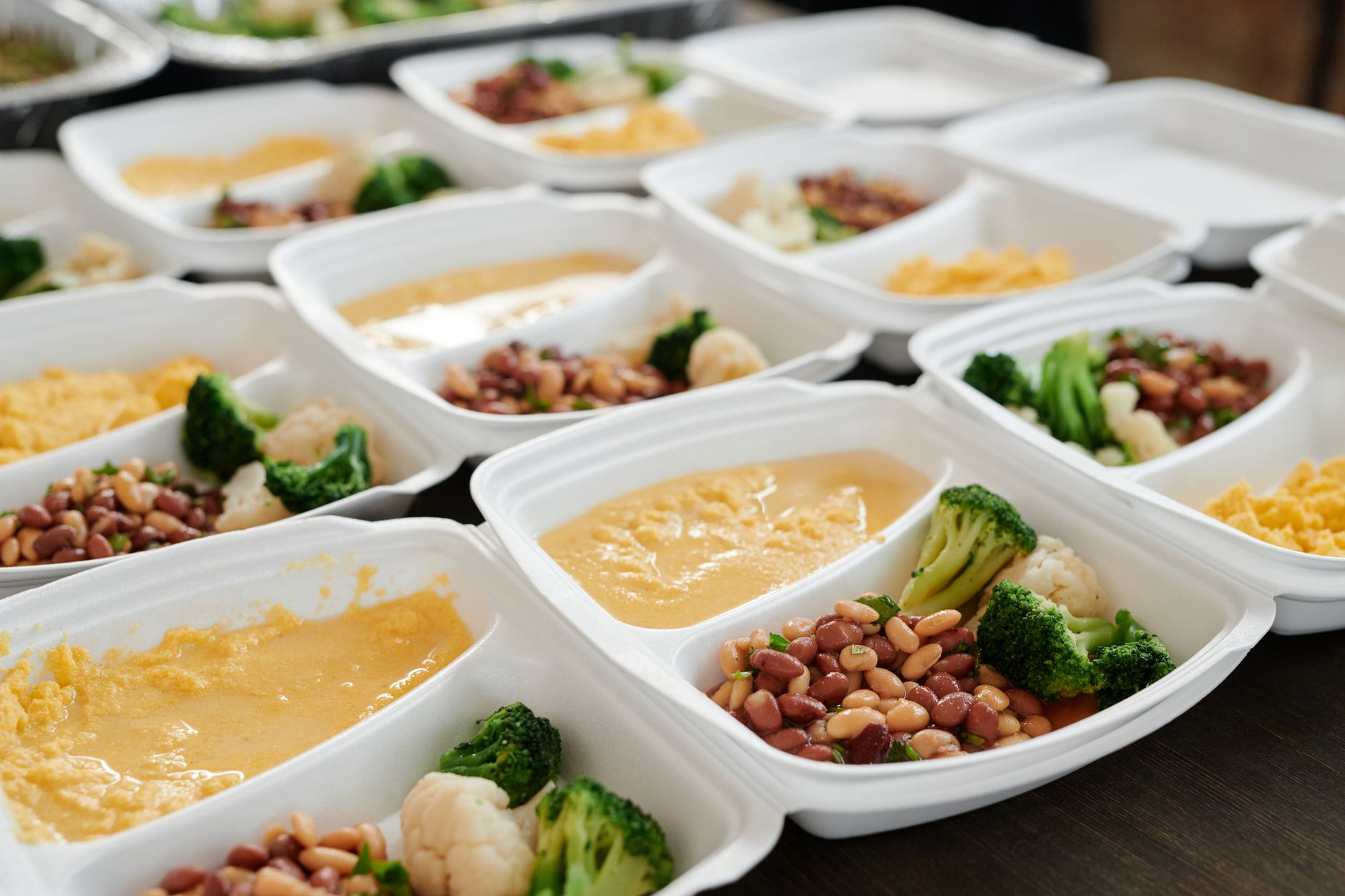
Understanding macros, or macronutrients, in your diet is essential for anyone looking to optimize their nutrition. These nutrients—proteins, fats, and carbohydrates—play distinct roles in your body and contribute to overall health, energy levels, and body composition. A firm grasp of macros can aid in meal planning, weight management, and muscle building.
This article will explore what macros are, how they function, suggested portion sizes, and practical meal ideas to effectively incorporate them into your daily regimen.
What Are Macros in Diet?
Macros, short for macronutrients, are the primary substances your body uses for energy and to support growth, metabolism, and overall bodily functions. The three main categories of macros are:
- Proteins: Essential for building and repairing body tissues, producing enzymes and hormones, and supporting immune function.
- Fats: Crucial for hormone production, cell membrane integrity, and absorbing fat-soluble vitamins.
- Carbohydrates: The body’s preferred source of energy, especially for the brain and muscles during physical activity.
Understanding Each Macro
Proteins
Proteins are made of amino acids, which are vital for muscle repair, immune function, and the production of enzymes and hormones. There are 20 different amino acids, nine of which are essential and must be obtained from the diet.
Sources of protein include:
- Animal-based: Meat, poultry, fish, eggs, and dairy products
- Plant-based: Beans, lentils, tofu, tempeh, nuts, and seeds
For those looking to build muscle or support recovery, a higher protein intake may be beneficial. The recommended dietary allowance (RDA) suggests about 0.8 grams of protein per kilogram of body weight for the average adult.
Fats
Despite misconceptions, fats are an essential part of a healthy diet. They provide energy, help absorb fat-soluble vitamins (A, D, E, K), and play a role in hormone production.
There are several types of fats:
- Monounsaturated fats: Found in olive oil, avocados, and nuts; they promote heart health.
- Polyunsaturated fats: Include omega-3 and omega-6 fatty acids; sources include fatty fish, flaxseeds, and walnuts.
- Saturated fats: Typically found in animal products and some plant oils; while they are necessary in moderation, excessive intake can lead to health issues.
A general recommendation is that fats should make up about 20-35% of total daily calories.
Carbohydrates
Carbohydrates are the body’s primary energy source. They can be classified into two categories:
- Sugars: Simple carbohydrates found naturally in fruits, vegetables, and dairy products, but also added to processed foods.
- Starches and fibers: Complex carbohydrates found in whole grains, legumes, fruits, and vegetables.
Whole food sources of carbohydrates are more beneficial than processed ones, providing essential nutrients, fiber, and sustained energy. Carbohydrates should make up 45-65% of total daily calories.
How to Calculate Your Macros
Knowing your personal macro requirements can help tailor your diet to your individual needs, whether your goals are weight loss, muscle gain, or maintenance. Here’s how to get started:
- Determine your caloric needs: Use an online calculator or consult a nutritionist to establish your daily caloric intake based on age, gender, weight, height, and activity level.
- Set your macro ratio: Depending on your goals, this can vary. A common starting point is to set protein at 30%, fats at 30%, and carbs at 40% of your total calories.
- Calculate grams per macro: Since proteins and carbohydrates both contribute 4 calories per gram and fats contribute 9 calories, you can use the following formulas:
| Macro | Percentage | Calories | Grams |
|---|---|---|---|
| Protein | 30% | [Total Calories] x 0.30 | [Calories for Protein] / 4 |
| Fats | 30% | [Total Calories] x 0.30 | [Calories for Fat] / 9 |
| Carbohydrates | 40% | [Total Calories] x 0.40 | [Calories for Carbs] / 4 |
Portion Sizes and Serving Recommendations
Determining appropriate portion sizes for your macros can help balance your meals. Here’s a simple guide:
- Protein: Aim for a palm-sized portion (about 20-30 grams) in every meal.
- Fats: A thumb-sized portion (approximately 10-15 grams) is a good baseline for healthy fats.
- Carbohydrates: A cupped-hand portion (about 30-45 grams) of grains or fruits complements the protein and fats in your meal.
These portions can vary based on individual goals and activity levels, so make sure to adjust accordingly.
Meal Ideas Incorporating Macros
Here are some balanced meal ideas to satisfy your macros while keeping flavor and nutrition a priority. Each meal focuses on balancing proteins, fats, and carbohydrates.
Breakfast
- Greek Yogurt Parfait: Layer Greek yogurt (protein), mixed berries (carbs), and a sprinkle of granola (healthy fats) for a wholesome start to your day.
- Oatmeal with Nut Butter: Combine oats (carbs), almond butter (fat), and a scoop of protein powder for a satisfying breakfast.
Lunch
- Quinoa Salad: Mix cooked quinoa (carbs), chickpeas (protein), chopped vegetables, and olive oil (fat) for a refreshing and filling meal.
- Turkey Wrap: Use a whole grain wrap (carbs), lean turkey breast (protein), lettuce, tomatoes, and avocado (fat) for a quick and easy lunch option.
Dinner
- Grilled Salmon: Serve with a side of roasted sweet potatoes (carbs) and steamed broccoli (fiber) drizzled with olive oil (fat) to create a nutritious dinner.
- Stir-fried Tofu: Use tofu (protein) and a mix of colorful vegetables (carbs) stir-fried in sesame oil (fat) for a vegetarian-friendly meal.
Snacks
- Hummus and Vegetables: Pair hummus (protein and fat) with carrots and celery (low-calorie carbs) for a crunchy snack.
- Fruit and Nut Mix: Combine a mix of nuts (fats) with dried fruits (carbs) for a sweet and satisfying snack.
Common Mistakes to Avoid
As you work on understanding macros, be aware of common pitfalls:
- Neglecting whole foods: Focus on whole, nutrient-dense foods instead of heavily processed items.
- Ignoring hydration: Remember to drink plenty of water, as hydration is key to overall health and can affect nutrient absorption.
- Overcomplicating meals: Aim for simplicity and balance, rather than striving for perfection in calculations.
Meal Prep and Planning Tips
Incorporating macros into your meals can become easier with meal prep. Follow these tips for effective meal planning:
- Create a weekly meal plan: Outline what you will eat each day to stay on track with your macro goals.
- Batch cook: Prepare larger quantities of proteins, grains, and vegetables to use throughout the week.
- Portion control: Invest in meal containers that help with portion sizes, making it easy to grab a balanced meal on the go.
Understanding Food Labels and Macro Tracking
Reading food labels is essential in tracking your macros. Here’s what to look for:
- Serving Size: Always check the serving size as the rest of the nutritional information is based on this amount.
- Protein, Fats, Carbohydrates: Focus on the grams of each macronutrient per serving.
- Ingredients List: The shorter the list, the better. Look for whole food ingredients.
Many apps are available to help you log and track your macros easily, providing insights into your nutrient intake.
Storing and Reheating Meals
Proper food storage is key to maintaining the quality of your prepped meals:
- Cool down: Let meals cool completely before storing them in airtight containers to prevent condensation.
- Refrigeration: Store meals in the fridge for up to 3-4 days, or freeze for longer-term storage.
- Reheating: Microwave or warm on the stovetop; ensure meals reach an internal temperature of 165°F for safety.
Understanding macros is fundamental to creating a balanced, nutritious diet that aligns with your health goals. By grasping the roles of proteins, fats, and carbohydrates, you can make informed dietary choices, enhance your meal planning, and ultimately improve your energy levels and overall well-being.
To take a practical next step, consider exploring these recipes: try the Chia Pudding Recipe for a nutritious breakfast option or make some Protein Granola to keep your snacks healthy and filling.