
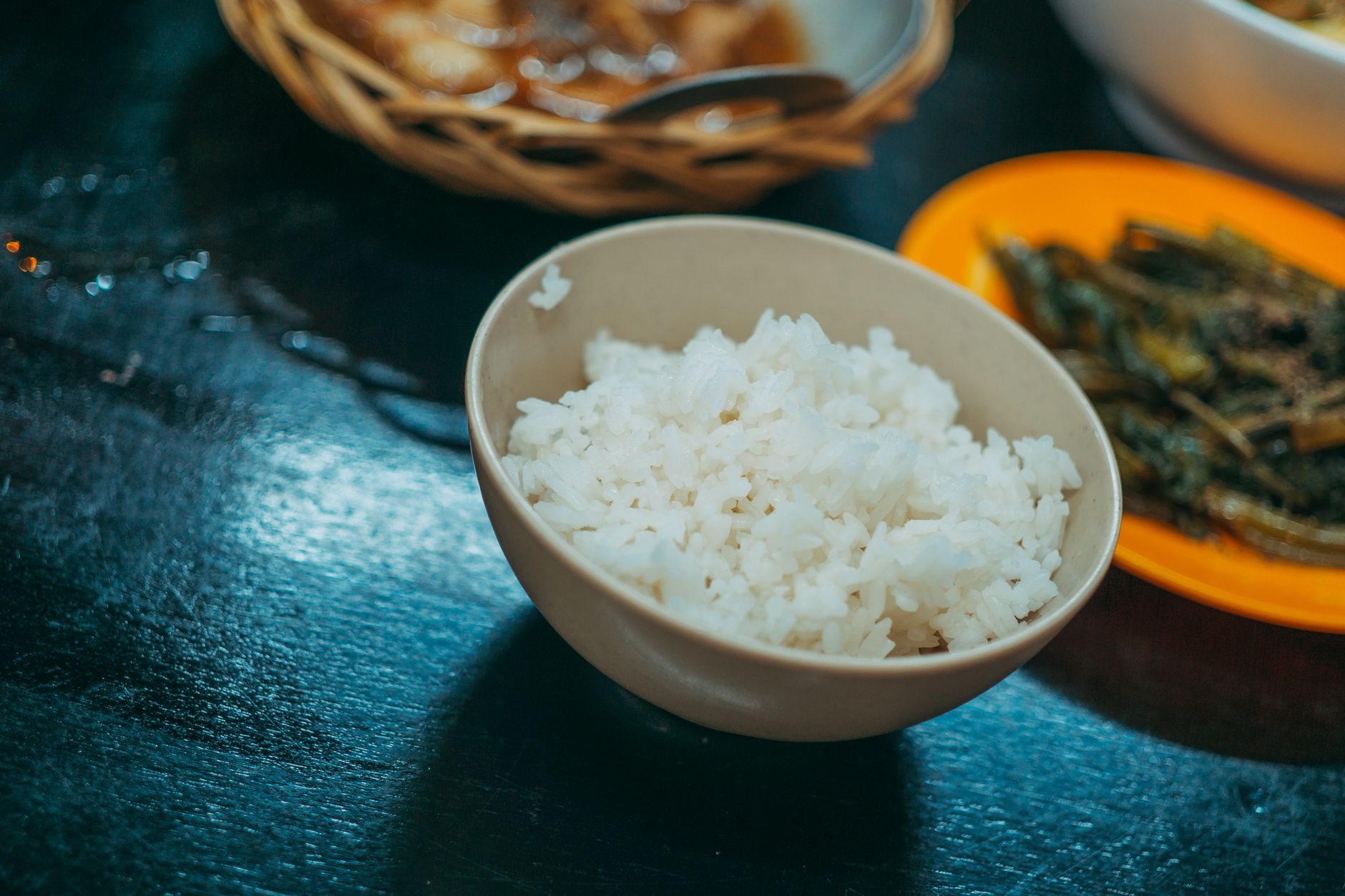
Rice is a staple food in many cultures around the world and is a popular choice for countless meals. It comes in various types, each with its own flavor and cooking methods. Whether served as a side dish or as a base for main courses, understanding the caloric content of rice can help you manage your dietary needs.
This article discusses how many calories are in a serving of rice, the factors that influence its caloric content, and tips on incorporating rice into a balanced diet.
How Many Calories in a Serving of Rice?
A standard serving of cooked white rice (1 cup or about 158 grams) contains approximately 205 calories. Brown rice, another common variety, has about 215 calories per cup. The exact number of calories can vary based on the specific type of rice and how it is prepared.
Types of Rice and Their Caloric Content
Rice comes in several varieties, each with different nutritional profiles. Here’s a look at some of the most common types:
- White Rice: Typically has around 205 calories per 1 cup serving when cooked. It is milled and polished, removing the bran and germ which reduces its fiber content.
- Brown Rice: A whole grain rice with about 215 calories per cup. Brown rice retains the bran and germ, providing more fiber and nutrients.
- Jasmine Rice: A long-grain, aromatic rice with approximately 205 calories per cup. It is often used in Asian dishes.
- Basmati Rice: A fragrant rice native to India and Pakistan, boasting roughly 190 calories per cup. It’s often served with Indian curries.
- Wild Rice: Though it’s technically a grass, it’s commonly treated like rice and has around 165 calories per cup. It has a nutty flavor and chewy texture.
- Black Rice: Also known as forbidden rice, it offers about 200 calories per cup and is praised for its antioxidants.
Factors Influencing Caloric Content
The caloric content of rice can be influenced by several factors:
- Cooking Method: The way rice is cooked (boiled, steamed, fried) can alter its calorie count. Fried rice, for example, usually contains additional ingredients like oil and vegetables, increasing the total calories per serving.
- Added Ingredients: Ingredients like butter, oil, or sauces greatly increase the calorie count. For instance, a cup of fried rice could easily contain over 300 calories due to added fats and proteins.
- Portion Size: Serving sizes can vary, and often people consume more than the standard serving of one cup, which can lead to significant increases in calorie consumption.
Comparing Cooked vs. Uncooked Rice
One common confusion arises when measuring rice in its uncooked format versus its cooked form. Rice expands when cooked, absorbing water and increasing in weight. Here’s a breakdown:
- One cup of uncooked white rice yields about three cups of cooked rice, which means the calorie count will be concentrated based on the original dry measurement.
- Uncooked, one cup of white rice has approximately 670 calories, while one cup of uncooked brown rice has about 685 calories. These numbers show that dry rice contains more calories, but the serving is typically based on the cooked measure.
Health Benefits of Rice
Rice is not only a filling food but also provides several health benefits, especially when consumed as part of a balanced diet:
- Energy Source: Rice is rich in carbohydrates, making it an excellent energy source for daily activities.
- Gluten-Free: Naturally gluten-free, rice is a great option for those with celiac disease or gluten intolerance.
- Nutrient Content: Brown and black rice provide essential nutrients such as fiber, magnesium, and B vitamins, which support overall health.
Incorporating Rice into a Balanced Diet
Rice can be a versatile addition to any diet. Here are some practical tips on how to include rice in a balanced way:
1. Portion Control
Stick to suggested serving sizes to manage caloric intake effectively. A serving of cooked rice is generally one cup, but listen to your body and adjust according to hunger levels.
2. Pair with Protein and Vegetables
Make rice a part of a balanced meal by pairing it with lean proteins (chicken, fish, legumes) and a variety of vegetables. This combination adds nutrients and helps keep you full.
3. Choose Whole Grain Varieties
Opt for brown, black, or wild rice when possible. These varieties contain more fiber, vitamins, and minerals, contributing to better overall health compared to white rice.
4. Explore Global Cuisine
Experiment with rice in different dishes from various cuisines, such as stir-fries, sushi, risotto, or paella, to keep meals interesting and flavorful without excessive caloric counts.
Common Mistakes to Avoid with Rice
When cooking or consuming rice, people often make these common mistakes:
- Overeating Portions: It’s easy to overestimate serving sizes. Measuring out one cup can prevent you from unintentionally consuming too many calories.
- Skipping Rinsing: Many cooks skip rinsing rice before cooking. Rinsing removes excess starch, which can make your rice gummy instead of fluffy.
- Poor Cooking Techniques: Failing to properly cook rice can lead to undercooked or overcooked results. Follow cooking instructions carefully for the best texture.
Storage and Reheating Tips
Proper storage and reheating practices can help maintain the quality and safety of your rice:
- Storage: Cooked rice should be stored in an airtight container in the refrigerator and consumed within four to six days. If storing uncooked rice, keep it in a cool, dry place in a sealed container to prevent moisture buildup.
- Reheating: When reheating cooked rice, ensure it’s heated through to at least 165°F (74°C) to kill any bacteria. Add a little water if the rice seems dry.
Rice in Popular Diets
Rice can fit well into many popular diets, but here are some key points to consider:
- Keto Diet: Rice is generally avoided in ketogenic diets due to its high carb content, which can be substituted with cauliflower rice.
- Paleo Diet: Traditional rice is not included in a paleo diet; however, people might opt for wild rice due to its natural unprocessed nature.
- Vegetarian and Vegan Diets: Rice serves as an excellent plant-based protein source when paired with legumes, making it suitable for vegan diets.
Recipe Ideas Using Rice
To help you get started with rice-based dishes, here are simple recipe ideas that highlight its versatility:
Vegetable Stir-Fry with Rice
An easy and quick meal that can be customized with whatever vegetables and proteins you have on hand.
- Ask about yield, serving size, and nutritional information.
Rice and Beans
A classic combo that combines brown rice and black beans for a nutrient-packed meal.
- Mix 1 cup of cooked brown rice with 1 cup of black beans, add spices, and enjoy!
Exploring Alternative Options
If you’re looking to explore other grains, here are some nutritious substitutes for rice:
- Quinoa: A high-protein grain that cooks similarly to rice and offers more nutrients.
- Couscous: Quick to prepare and light, couscous can be another alternative to traditional rice.
- Farro: An ancient grain with a hearty texture and nutty flavor, ideal for salads and bowls.
Understanding the caloric content of rice can help guide your meal choices and overall nutritional planning. Whether you prefer white, brown, or another variety, rice can be a helpful component of a balanced diet when consumed mindfully. To manage your intake effectively, focus on portion control, ingredient pairings, and cooking techniques.
Now that you’ve learned about rice’s caloric content and its health benefits, consider incorporating creative rice dishes into your meal plan. If you’re interested in other recipes or tips for healthy eating, explore our guides on the caloric content of scrambled eggs and whether rice is fattening.