
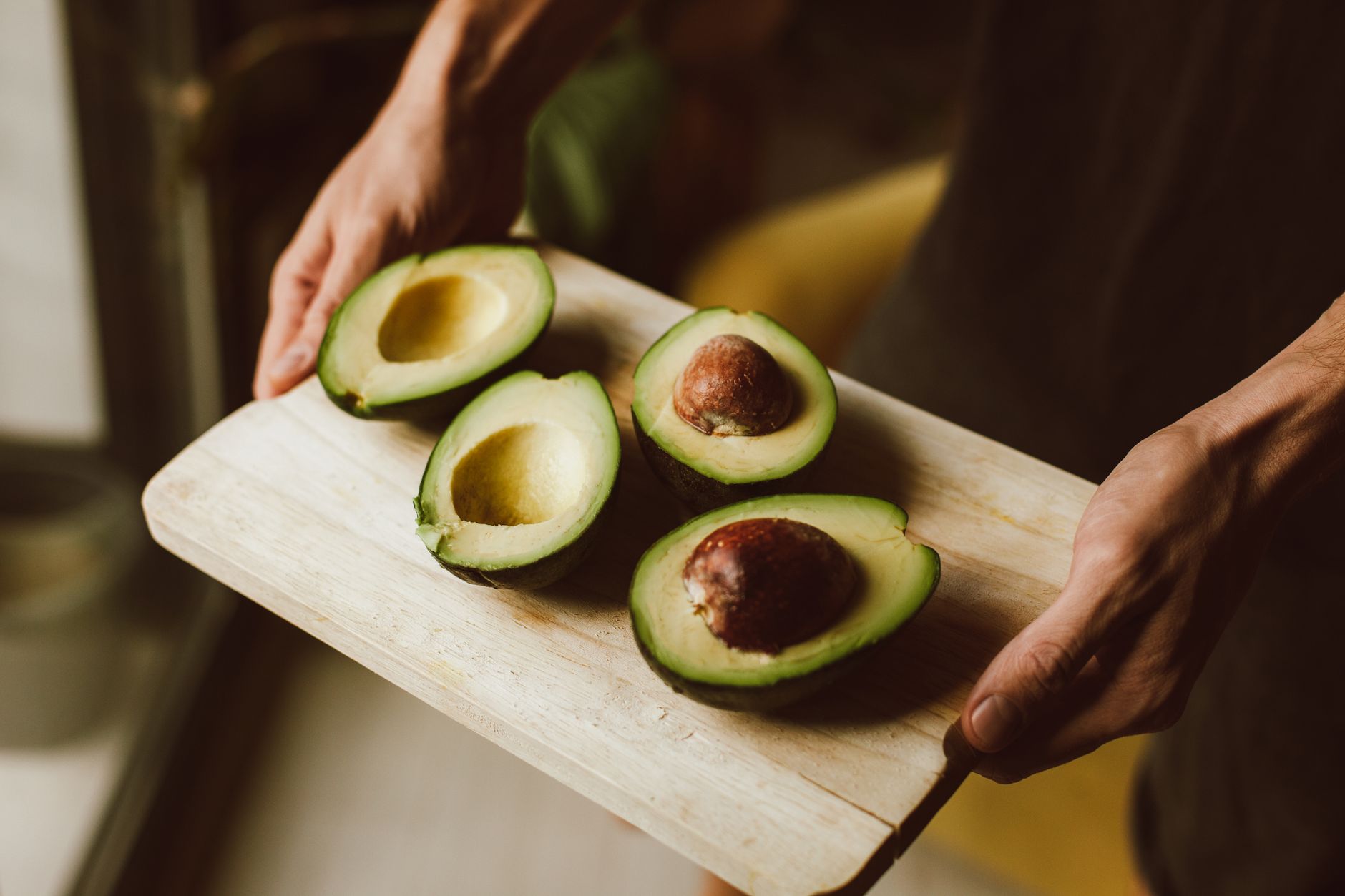
When it comes to nutritious foods, avocados are often at the top of the list. This creamy fruit is not only versatile in the kitchen but also packed with beneficial nutrients. One of the most significant benefits of avocados is their fiber content, which plays an essential role in digestive health.
In this article, we will explore how much fiber is in an avocado, the nutritional facts associated with this fruit, serving sizes, and why fiber is important for your overall health.
How Much Fiber in Avocado?
An average avocado contains about 9 to 13 grams of fiber, depending on its size. This amount varies from a small avocado weighing about 150 grams, providing approximately 9 grams of fiber, to a larger one weighing around 200 grams, offering around 13 grams. This fiber content contributes significantly to daily dietary recommendations.
The Importance of Fiber
Fiber is an essential dietary component that offers numerous health benefits. It can be broadly classified into two types: soluble and insoluble.
- Soluble Fiber: This type dissolves in water and helps to lower blood cholesterol and glucose levels. It can be found in oats, beans, lentils, and fruits like avocados.
- Insoluble Fiber: This type does not dissolve in water and aids in digestive health by adding bulk to the stool. It is found in whole grains, nuts, and vegetables.
Including adequate fiber in your diet can help maintain a healthy weight, improve digestion, and lower the risk of chronic diseases such as heart disease and diabetes. The recommended daily intake for fiber is about 25 grams for women and 38 grams for men.
Nutritional Facts about Avocado
Avocados are not just rich in fiber; they also offer a wide range of other nutrients. Below is a summary of the nutritional content for a medium-sized avocado (approximately 150 grams).
- Calories: 240
- Fat: 22 grams (mostly healthy monounsaturated fats)
- Carbohydrates: 12 grams
- Protein: 3 grams
- Fiber: 10 grams
- Vitamins: Rich in Vitamin K, Vitamin E, Vitamin C, Vitamin B6, and Folate
- Minerals: Contains Potassium, Magnesium, and Copper
As seen above, avocados are nutrient-dense, providing healthy fats and a variety of vitamins and minerals, making them a great addition to any diet.
Serving Sizes for Avocado
Portion size can affect how much fiber you consume from avocados. Here’s a breakdown of common serving sizes:
- Half of a Medium Avocado (75 grams): Approximately 4.5 grams of fiber
- One Medium Avocado (150 grams): Approximately 9-10 grams of fiber
- One Large Avocado (200 grams): Approximately 13 grams of fiber
- Avocado Slices (1 ounce or 28 grams): Approximately 2 grams of fiber
Understanding serving sizes can help you effectively integrate avocados into your meals, ensuring you reap the full benefits of their fiber content.
Ways to Incorporate Avocado into Your Diet
Avocados are incredibly versatile, allowing you to enjoy them in various ways. Here are some practical ideas for incorporating avocados into your meals:
- Spread: Use mashed avocado as a spread on toast or sandwiches in place of butter or mayonnaise.
- Salads: Slice or dice avocado and add it to salads for a creamy texture and added nutrition.
- Smoothies: Blend avocado into smoothies for a rich and creamy consistency.
- Guacamole: Prepare guacamole with mashed avocado, lime juice, cilantro, and diced tomatoes for a tasty dip.
- Sandwiches and Wraps: Add sliced avocado to sandwiches or wraps for extra flavor and health benefits.
- Soups: Include avocado cubes in cold soups like gazpacho or as a garnish for warm soups.
Experimenting with different methods of preparation can keep meals interesting while ensuring you get your daily fiber intake.
Substitutions and Variations
Avocado can be used as a substitute for various ingredients, indeed adding fiber and health benefits. Here are some common substitutions:
- Butter or Margarine: Use mashed avocado in baking to replace butter. This can add moisture and healthy fats to baked goods.
- Mayo: Avocado makes a great replacement for mayonnaise in salads and sandwiches, providing a creamy texture without the added cholesterol.
- Cream Cheese: Spread mashed avocado on bagels instead of cream cheese for a healthier option.
When substituting, remember that the flavor and creaminess of avocado may alter the final product’s taste and texture, so adjustments may need to be made.
Common Mistakes to Avoid
While incorporating avocados into your diet is easy, there can be a few common mistakes to watch for:
- Not Choosing Ripe Avocados: Ensure the avocado is ripe for better flavor and ease of use. A ripe avocado should yield slightly to gentle pressure.
- Overeating: While avocados are healthy, they are also calorie-dense. It’s essential to enjoy them in moderation to maintain a balanced diet.
- Ignoring Storage: To extend the life of a cut avocado, sprinkle it with lemon or lime juice and store it in an airtight container to prevent browning.
Being aware of these common mistakes can enhance your avocado experience and maximize its health benefits.
Recipe Inspiration: Avocado Bread
If you’re looking for a delicious way to enjoy avocados, consider trying an avocado bread recipe. Avocado bread is a simple and nutritious way to start your day. Here’s how:
Ingredients
- 1 ripe avocado
- 1 cup almond flour
- 3 eggs
- 1 teaspoon baking soda
- 1/2 teaspoon salt
- Optional: herbs or spices for added flavor (e.g., garlic powder, rosemary)
Method
- Preheat your oven to 350°F (180°C) and grease a loaf pan.
- In a large bowl, mash the ripe avocado until smooth.
- Add the eggs and mix until fully combined.
- Sift in the almond flour, baking soda, and salt, stirring until just incorporated.
- If desired, mix in any optional herbs or spices.
- Pour the batter into the prepared loaf pan.
- Bake for 25-30 minutes, or until cooked through and a toothpick comes out clean.
- Let cool before slicing and enjoying!
This avocado bread provides a delightful way to incorporate not only the creamy texture of avocados but also its nutritional benefits, including fiber.
Storage and Reheating
Proper storage of avocados can maximize their freshness and usability. Here are some tips:
- Whole Avocados: Store them at room temperature until ripe. Once ripe, you can refrigerate them to extend their life.
- Cut Avocados: Always wrap cut avocados tightly in plastic wrap or place them in an airtight container to prevent browning. Adding lemon or lime juice can help maintain color.
- Avocado Bread: Store any leftover avocado bread in an airtight container at room temperature for up to 2 days or in the fridge for up to a week. It can be reheated in the oven or toaster.
Following these storage tips will help you enjoy avocados at their best.
Final Thoughts
Avocados are not only delicious but also a powerhouse of fiber and nutrients. Including them in your diet can help you reach your fiber goals while enjoying diverse flavors and textures. Whether you spread, slice, or bake, avocados are sure to add richness to your meals.
Start experimenting with avocados today, and consider trying different methods to integrate them into your diet. If you’re looking for more healthy options, explore how much fiber is in banana or check out our delicious avocado bread recipe for your next cooking adventure.